Underwatered or Overwatered? A Gardener’s Guide to Perfect Tree Care

Are you pouring your heart (and water) into your garden, yet noticing your trees are far from thriving? The secret to lush, healthy trees lies in the balance of water. Whether you’re an experienced gardener or a new homeowner eager to cultivate a green oasis, understanding the nuances of tree watering is crucial.

This blog post will guide you through identifying the signs of overwatering and underwatering, share best practices for nurturing both newly planted and mature trees, and highlight why achieving the right watering balance is essential for tree health and growth.

Call 317-348-0811 for Local Tree Care Service in Indianapolis Indiana

Signs of Overwatering Trees and its Impact

Overwatering trees is a common mistake that can lead to a host of problems. One telltale sign your tree might be over-watered is yellowing leaves. While it may seem counterintuitive, too much water deprives roots of oxygen, causing them to suffocate and leaves to discolor. Additionally, soggy soil around the tree base often indicates excessive watering, leading to root rot—a condition where roots decay and the tree weakens.

Another crucial indicator is leaf drop. If your tree begins shedding leaves outside its typical seasonal cycle, it could be signaling distress from overwatering. This stress also manifests as stunted growth, where trees fail to produce the anticipated foliage and flowers. A consistent waterlogged environment promotes fungal diseases, further compromising tree health. Recognizing these signs early can prevent long-term damage.

Understanding the impact of overwatering extends beyond the visible symptoms. Prolonged exposure to saturated soil results in shallow root systems, as roots stay near the surface in search of air. This makes trees more susceptible to environmental stressors like drought and wind. Therefore, correcting overwatering practices not only heals your tree but also fortifies its natural defenses against adverse conditions.

Signs of Underwatering Trees and its Impact

On the flip side, underwatering can be equally detrimental to trees. One of the most apparent signs is wilting leaves, which occur when trees cannot draw sufficient water to maintain turgor pressure. Unlike wilting from heat, underwatering causes leaves to become dry and brittle. Another symptom is browning leaf edges—a stark contrast to the vibrant green of healthy foliage.

A closer look at the soil can also reveal underwatering issues. Dry, cracked soil signifies a scarcity of water reaching the roots. This often results in the tree’s inability to transport nutrients, leading to nutrient deficiencies and poor overall health. In severe cases, new growth may wilt and die, leaving the tree vulnerable to pests and diseases.

The consequences of underwatering extend beyond immediate symptoms. Chronic water deficiency limits photosynthesis, stunting growth and reducing the tree’s ability to produce food. Over time, this stress weakens the tree, making it more susceptible to infections and environmental hazards. Addressing underwatering early can restore vitality and promote robust growth in your trees.

Best Practices for Watering Trees Effectively

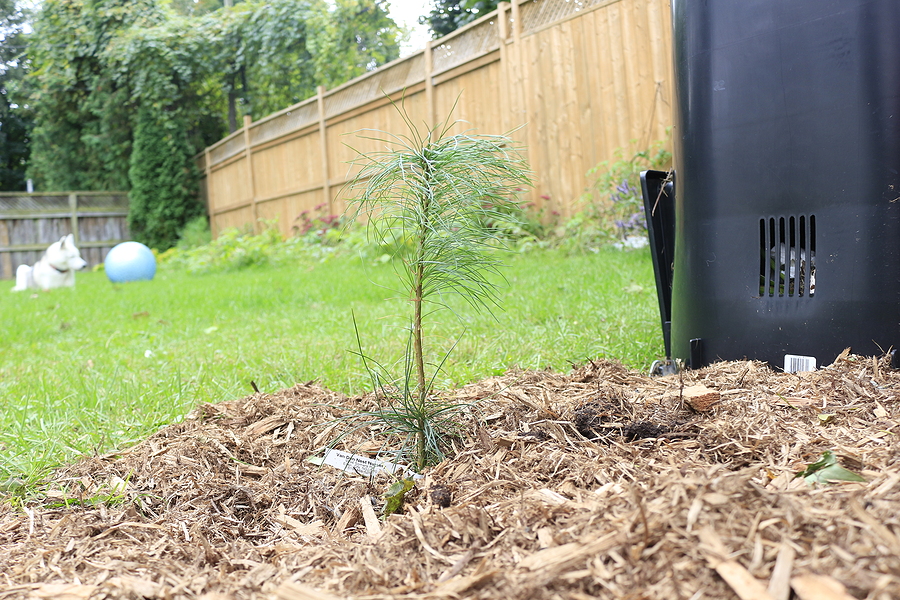
Watering trees effectively requires understanding their distinct needs at various stages of growth. Newly planted trees have smaller root systems that demand consistent moisture to establish. It’s recommended to water them deeply immediately after planting, ensuring the root ball is thoroughly saturated. During the first few months, continue to water weekly, adjusting based on rainfall and soil moisture levels.

For mature trees, watering practices differ significantly. Their extensive root systems allow them to access deeper soil moisture. However, during extended dry spells, supplemental watering becomes essential. Focus on watering the soil around the canopy’s outer edge, known as the drip line or critical root zone, where most absorbent roots are located. A slow, deep watering method is most effective, allowing water to penetrate several inches into the soil.

Regardless of tree age, timing is crucial for effective watering. Early morning or late evening watering reduces evaporation, ensuring more water reaches the roots. Additionally, mulching around the tree base helps retain soil moisture and regulate temperature. By following these practices, you can support healthy tree growth and resilience against environmental stress.

Conclusion

Finding the perfect balance in tree watering is an art that pays off in vibrant, healthy trees. Understanding the signs of overwatering and underwatering equips you with the knowledge to adjust your approach, promoting optimal tree health. Proper watering, tailored to the age and needs of your trees, not only enhances tree growth but also strengthens their natural resilience. Remember, healthy trees contribute significantly to the beauty and value of your garden and home environment.

If you’re uncertain about your tree care routine or notice any signs of a sick or dying tree, consider consulting a professional tree service. Expert guidance can ensure your trees receive the care they need to thrive. Join our community of passionate gardeners and homeowners by subscribing to our newsletter for more tips and insights on maintaining a flourishing garden.

Are you in need of expert tree services for your landscaping trees? Contact Timberland Tree Care at 317-348-0811 for licensed and insured tree service in Indianapolis, Indiana. We serve residential and commercial customers all throughout the surrounding Indy areas.

Related Posts:

Tips for Watering an Old Tree
7 Reasons Why Professional Tree Care is Important
Tree Health Inspections: Why They Are Important and How to Conduct Them

Transform Your Yard and the Planet with Composting Magic

Composting at home is more than just a trendy buzzword; it’s a step toward sustainable living that benefits both your garden and the planet. For Eco-conscious homeowners looking to reduce waste and improve their gardening game, incorporating a yard waste bin or compost pile is an impactful choice. This blog will explore the importance of composting and managing yard waste for those committed to green practices, offering insights and tips to make the process simple and effective.

The relevance of composting in today’s world can’t be overstated. With landfill sites overflowing and environmental concerns on the rise, finding ways to manage household waste sustainably is crucial. Composting offers a responsible method to recycle organic material and return it to the earth, transforming kitchen scraps and yard waste into a nutrient-rich resource. Whether you’re a gardening enthusiast or someone just starting out, understanding the benefits of composting can empower you to make a meaningful contribution to the environment.

In this post, we’ll cover everything from the benefits of using a yard waste bin or compost pile to practical steps for setting one up in your yard. We’ll also offer tips on maintaining your compost, troubleshooting common issues, and creative uses for your finished product. By the end, you’ll have the knowledge and motivation to begin your own composting adventure.

Call 317-348-0811 for Tree Service and Trimming in Indianapolis

Benefits of Using a Yard Waste Bin or Compost Pile

One of the main advantages of composting at home is the reduction of waste sent to landfills. Yard waste bins and compost piles allow you to manage organic matter efficiently, keeping valuable resources out of the garbage. This not only helps in minimizing your carbon footprint but also contributes to a healthier planet by reducing methane emissions that result from decomposing waste in landfills.

Another benefit is the production of nutrient-rich soil. Compost acts as a natural fertilizer, enhancing the health and vitality of your garden without the need for chemical additives. By enriching the soil, compost supports the growth of strong plants, which are better able to resist diseases and pests. This leads to a more productive and flourishing garden, whether you’re growing vegetables, flowers, or ornamental plants.

Composting also promotes biodiversity in your yard. By creating a balanced environment within your compost pile, you attract beneficial organisms such as worms and insects that aid in breaking down organic material. These creatures improve soil structure, increase nutrient availability, and enhance water retention. Overall, a yard waste bin or compost pile fosters a vibrant ecosystem right in your backyard.

Tips for Setting Up a Compost Area or Waste Bin

Establishing a compost pile or using a yard waste bin is a straightforward process that anyone can do. Begin by selecting a suitable location in your yard, ideally a spot that has good drainage and is easily accessible. Ensure it receives some sunlight, as warmth helps speed up the decomposition process. If privacy is a concern, consider screening your compost area with shrubs or fencing.

Next, gather the materials needed. For a compost pile, you’ll need a mix of green materials (such as grass clippings and vegetable scraps) and brown materials (like dried leaves and twigs). The balance between these two types of matter is crucial, as it provides the necessary carbon-to-nitrogen ratio that facilitates decomposition. If opting for a yard waste bin, make sure it’s vented to allow for airflow.

Begin layering your compost pile by alternating between green and brown materials. Aim for a thickness of about 2 to 4 inches per layer, and add water as needed to keep the pile moist but not soggy. For a yard waste bin, simply place the materials inside, ensuring they are mixed well. Turning the pile every few weeks helps aerate it, encouraging faster breakdown and preventing odors.

Maintaining and Troubleshooting Your Compost

Maintaining your compost pile or yard waste bin requires attention but is not overly demanding. Monitor the moisture level regularly, ensuring it’s as damp as a wrung-out sponge. If the pile is too dry, it will decompose slowly; if it’s too wet, it might smell. Adjust moisture levels by adding water or incorporating dry materials accordingly.

Temperature is another essential factor. A compost pile that’s actively breaking down should feel warm to the touch. If it starts to cool down or seems inactive, it might need more green materials to boost nitrogen levels. Aerating the pile by turning it also helps increase temperature and speed up decomposition.

Common composting issues include foul odors, pests, and slow decomposition. Odors often result from an imbalance in materials or inadequate aeration. Solve this by adding more brown materials and turning the pile. If pests become a problem, make sure food scraps are well-covered and avoid adding meat or dairy products. Slow decomposition can usually be remedied by adjusting moisture and carbon-to-nitrogen ratios.

Creative Uses for Compost in Gardening and Landscaping

Once your compost is ready, it’s time to put it to good use. One of the most popular applications is using compost as a natural fertilizer. Spread it across garden beds to enrich the soil and support healthy plant growth. Compost can also be mixed with potting soil for container plants, providing essential nutrients for indoor and outdoor vegetation.

Compost is excellent for improving soil structure. When mixed into clay soils, it loosens compacted earth, allowing roots to penetrate and access water more easily. In sandy soils, compost increases water retention and prevents nutrients from leaching away. This versatility makes compost a valuable addition to any garden or landscape.

Consider using compost as a top dressing for your lawn. Applying a thin layer of compost over grass helps rejuvenate tired lawns by boosting organic content and improving soil fertility. It can also act as a mulch to suppress weeds, conserve moisture, and regulate soil temperature around trees and shrubs. With its many uses, compost is a gardener’s best friend.

Conclusion

Composting at home is a rewarding practice that offers numerous benefits for Eco-conscious homeowners, gardening enthusiasts, and sustainable living advocates. By reducing landfill waste, creating nutrient-rich soil, and promoting biodiversity, a yard waste bin or compost pile can make a significant difference for both your garden and the planet.

We hope this guide has inspired you to start your own composting journey. With the provided tips and insights, you’re well-equipped to establish and maintain a successful compost system in your yard. Remember, every small effort counts in the larger fight for environmental sustainability.

Do you have some trees and tree limbs that need to come down soon? We can help! Contact Timberland Tree Care at 317-348-0811 for licensed and insured seasonal tree service in Indianapolis, Indiana. We provide residential and commercial tree care solutions at economical prices.

Related Posts:

4 Ways to Compost in the Fall
The Best Methods for Leaf Removal This Fall
Environmental Threats That Will Kill Your Landscaping Trees

Common Tree Diseases in Indiana and How to Overcome Them

Indiana, with its lush landscapes and diverse tree species, offers a picturesque environment for homeowners and gardeners alike. Trees are not just a visual delight; they play a crucial role in the ecosystem by purifying the air, providing shade, and supporting wildlife. However, trees in Indiana face a significant threat from various diseases that can compromise their health and longevity. Understanding these common tree diseases is essential for anyone looking to maintain a healthy and vibrant yard.

In this blog post, we’ll explore the most common diseases affecting Indiana’s trees, how to identify them, their impact, and practical steps for prevention and management. By the end of this guide, you’ll be better equipped to protect your trees from these hidden threats.

Call 317-348-0811 to Get in Touch With a Certified Tree Arborist in Indianapolis Indiana

Identifying Common Indiana Tree Diseases

Oak Wilt

One of the most devastating diseases affecting oak trees in Indiana is Oak Wilt. This fungal disease spreads through root grafts and beetles, causing leaves to wilt and fall off prematurely. Symptoms often start with leaf discoloration, progressing from the tips towards the base, eventually leading to complete defoliation. Oak Wilt primarily affects red oaks, which can die within weeks of infection, while white oaks may survive for several years with the disease.

Dutch Elm Disease

Dutch Elm Disease (DED) is another prevalent and deadly tree disease in Indiana. Caused by a fungus spread by elm bark beetles, DED clogs the tree’s vascular system, preventing water from reaching the leaves. Early symptoms include yellowing and wilting leaves, which turn brown and die. This disease can affect all elm species but is particularly lethal to American elm trees.

Anthracnose

Anthracnose is a fungal disease that affects a variety of trees, including sycamores, maples, and dogwoods. It causes dark, sunken lesions on leaves, stems, and fruits, leading to premature leaf drop. Infected trees may experience stunted growth and reduced vitality. The disease thrives in cool, wet conditions, making Indiana’s spring and fall seasons particularly susceptible times.

Root Rot

Root rot is a condition caused by various soil-borne fungi that attack the roots of trees, leading to decay and eventual death. Symptoms include yellowing leaves, stunted growth, and wilting, even when the tree is adequately watered. Root rot can affect a wide range of tree species and is often exacerbated by poor drainage and overwatering.

Apple Scab

Commonly affecting crabapple and apple trees, Apple Scab is a fungal disease that causes dark, scabby lesions on leaves and fruit. Infected leaves often turn yellow and fall off prematurely, while fruits become deformed. This disease is particularly problematic in wet, humid conditions, which are common in Indiana.

Understanding the Impact

Environmental Effects

Tree diseases do more than just harm individual trees; they can have a ripple effect on the entire ecosystem. Diseased trees are less effective at sequestering carbon dioxide, reducing air quality, and providing habitat for wildlife. The loss of tree canopy can also lead to increased soil erosion and higher temperatures in urban areas.

Economic Consequences

The economic impact of tree diseases can be significant. Homeowners may face costly tree removal and replacement expenses. Additionally, diseased trees can decrease property values and increase heating and cooling costs due to the loss of shade. On a larger scale, local governments and communities may incur expenses related to disease management and public tree care programs.

Aesthetic and Emotional Impact

Trees contribute to the aesthetic appeal of a neighborhood and offer emotional benefits to residents. The sight of a sick or dying tree can be disheartening, affecting the overall enjoyment of one’s outdoor space. Maintaining healthy trees is crucial for preserving the beauty and emotional well-being of communities.

Tree Disease Prevention and Management

Proper Pruning

One of the most effective ways to prevent tree diseases is through proper pruning. Regularly removing dead or diseased branches can help prevent the spread of pathogens. It’s crucial to prune during the dormant season and to disinfect pruning tools between cuts to minimize the risk of infection.

Adequate Watering

Proper watering practices are essential for tree health. Overwatering can lead to conditions like Root rot, while underwatering can stress trees and make them more susceptible to disease. Ensure your trees receive consistent, deep watering, especially during dry periods.

Soil Health

Healthy soil is the foundation of a healthy tree. Regularly test your soil to ensure it has the right balance of nutrients and pH levels. Adding organic mulch can help retain moisture and improve soil structure, providing a better environment for tree roots.

Monitoring and Early Detection

Regularly inspect your trees for signs of disease. Early detection can significantly increase the chances of successful treatment. Look for symptoms like leaf discoloration, wilting, and unusual growth patterns. If you suspect a tree is diseased, consult a professional arborist for an accurate diagnosis and treatment plan.

Professional Help

Sometimes, the best course of action is to seek professional help. Arborists and tree service companies have the expertise and equipment to diagnose and treat tree diseases effectively. They can also provide valuable advice on preventive care and maintenance to keep your trees healthy in the long term.

Community Involvement

Protecting trees is a community effort. Encourage your neighbors to stay informed about tree diseases and participate in local tree care initiatives. Community-wide efforts can help identify and manage disease outbreaks more effectively, preserving the health and beauty of your neighborhood.

Conclusion

Indiana’s trees are a vital part of the state’s ecosystem, offering numerous environmental, economic, and aesthetic benefits. However, they face significant threats from various diseases. By understanding these common diseases, their impact, and how to prevent and manage them, homeowners and gardeners can play a crucial role in protecting their trees.

Regular monitoring, proper tree care practices, and community involvement are key to maintaining healthy trees. If you’re unsure how to manage or prevent tree diseases, don’t hesitate to reach out to a professional arborist. Together, we can ensure that Indiana’s trees continue to thrive for generations to come.

For personalized advice and professional tree care services, consider scheduling a consultation with a local arborist. Contact Timberland Tree Care at 317-348-0811 for licensed and insured seasonal tree service in Indianapolis, Indiana. We provide residential and commercial tree care solutions at economical prices.

Related Posts:

Top 5 Reasons Your Tree Looks Unhealthy
FAQS About Oak Wilt Tree Disease
3 Trending Pest Control Products for Trees and Shrubs

Protecting Your Trees: A Gardener’s Guide to Battling Soil Erosion

Soil erosion is a natural process where the top layer of soil is worn away due to factors such as wind, water, and human activity. While it may seem like an inevitable aspect of nature, soil erosion has significant implications for tree health, particularly in home gardens and landscapes. For gardeners, homeowners, and tree lovers, understanding and managing soil erosion is crucial to maintaining vibrant and healthy trees.

This blog post will delve into the causes and effects of soil erosion on trees, how to identify early signs of erosion damage, and practical tips for preventing and managing soil erosion in your garden.

Call 317-348-0811 for Tree Care in Indianapolis

The Causes and Effects of Soil Erosion on Trees

Causes of Soil Erosion

Soil erosion can be caused by various factors, including:

  • Water Runoff: Heavy rainfall or irrigation practices can cause water to flow over the soil surface, washing away the topsoil.
  • Wind: In areas with little vegetation cover, strong winds can lift and carry away loose soil particles.
  • Human Activity: Construction, deforestation, and improper land use can disturb the soil structure and increase erosion rates.
  • Slope and Topography: Steep slopes and uneven terrain can accelerate the movement of soil downhill.

Effects of Soil Erosion on Tree Health

The impact of soil erosion on trees can be profound, leading to several adverse effects:

  • Root Exposure and Damage: Erosion can strip away the soil that protects tree roots, making them vulnerable to damage and disease.
  • Nutrient Loss: The removal of topsoil, which is rich in organic matter and nutrients, can deprive trees of essential nutrients needed for growth.
  • Water Stress: Eroded soil has reduced water-holding capacity, leading to water stress and affecting the tree’s ability to absorb sufficient moisture.
  • Soil Compaction: Erosion can lead to soil compaction, restricting root growth and reducing aeration.
  • Stability Issues: The loss of supporting soil can compromise the structural stability of trees, increasing the risk of uprooting during storms.

Identifying Early Signs of Erosion Damage in Trees

Detecting soil erosion and its impact on tree health early on is essential for timely intervention. Look out for the following signs:

  • Exposed Roots: Visible tree roots above the soil surface indicate soil loss around the base of the tree.
  • Uneven Ground Levels: Noticeable changes in ground levels or the formation of gullies and channels around trees suggest erosion activity.
  • Poor Tree Growth: Stunted growth, yellowing leaves, and reduced vigor can be symptoms of nutrient deficiencies due to soil erosion.
  • Soil Crusts: A hard, crusty layer on the soil surface can indicate compaction and erosion.
  • Leaning Trees: Trees that start to lean or show signs of instability may have compromised root systems due to erosion.

Practical Tips for Preventing and Managing Soil Erosion

Preventing and managing soil erosion requires a combination of effective practices and thoughtful planning. Here are some practical tips to help you combat soil erosion and protect your trees:

Plant Ground Cover – Ground cover plants, such as grasses, clover, and creeping perennials, help to anchor the soil and reduce erosion. Their roots hold the soil together, while their foliage provides a protective barrier against wind and rain.

Mulching – Applying a layer of mulch around the base of trees and garden beds can help retain soil moisture, reduce runoff, and protect the soil from erosion. Organic mulches, such as wood chips, straw, and compost, also contribute to soil fertility.

Terracing and Contouring – In areas with steep slopes, terracing and contouring can slow down water flow and reduce erosion. Creating terraces or contouring the land involves shaping the landscape to create level areas that trap and hold soil.

Building Retaining Walls – Retaining walls can provide physical barriers to prevent soil movement and stabilize slopes. They are particularly useful in areas prone to erosion due to steep terrain.

Using Erosion Control Fabrics – Erosion control fabrics, such as geotextiles and erosion control blankets, can be placed over the soil to prevent erosion while allowing water and air to penetrate the soil.

Planting Trees and Shrubs – Strategically planting trees and shrubs along slopes and areas susceptible to erosion can help stabilize the soil with their root systems. Choose native species that are well-adapted to the local environment.

Proper Irrigation Practices – Avoid overwatering and ensure that irrigation systems are designed to minimize runoff. Drip irrigation and soaker hoses are effective methods to deliver water directly to the roots without causing erosion.

Adding Organic Matter – Incorporating organic matter, such as compost and manure, into the soil improves its structure, enhances water retention, and reduces erosion. Healthy soil with good organic content is more resilient to erosion.

Regular Inspections – Regularly inspect your garden and landscape for signs of erosion and take prompt action to address any issues. Early intervention can prevent further damage and protect your trees.

Conclusion

Sustainable soil management is essential for maintaining healthy trees and a thriving garden environment. By understanding the causes and effects of soil erosion and implementing effective prevention and management strategies, gardeners, homeowners, and tree lovers can protect their trees from the detrimental impacts of erosion. Healthy soil not only supports robust tree growth but also contributes to a resilient and sustainable ecosystem.

If you suspect that soil erosion is affecting the health of your trees, don’t hesitate to seek professional advice. Arborists, also known as tree doctors, as well as tree care specialists can conduct thorough tree inspections, assess soil problems, and provide expert recommendations for managing erosion and ensuring the long-term health of your trees.  Contact a reputable tree service provider today to safeguard your garden and landscape.

Are you looking for professional tree care near Indy? Contact Timberland Tree Care at 317-348-0811 for licensed and insured seasonal tree service in Indianapolis, Indiana. We provide residential and commercial tree care solutions at economical prices.

Related Posts:

Top 5 Reasons Your Tree Looks Unhealthy
Understanding the Science of Pruning: When and Where to Cut for Max Health
The Impact of Climate Change on Tree Health

Mastering Tree Mulching: A Complete Guide

Mulching is a simple yet highly effective practice in the realm of tree care that too often goes overlooked or improperly executed. When done correctly, mulching offers a myriad of benefits, not just for the trees but for your entire garden. This guide is designed to shed light on the nuances of tree mulching, helping homeowners and home gardeners understand its importance, the benefits it brings, and how to avoid common mulching mistakes.

Call 317-348-0811 for Tree Care Service in Indianapolis Indiana

The Importance of Mulching for Trees

Mulching is vital for maintaining healthy trees in your landscape. It involves the application of materials around the base of a tree to enhance the soil quality, conserve moisture, reduce weed competition, and provide a clean, aesthetic appeal. Beyond these visible benefits, mulching plays a crucial role in insulating the soil, offering roots a shield against extreme temperatures, and improving soil biology and structure.

Benefits of Proper Mulching for Tree Health and Growth

Proper mulching can significantly enhance tree health and promote vigorous growth. Some notable benefits include:

  • Moisture Retention: Mulch helps retain moisture in the soil, reducing the need for frequent watering.
  • Temperature Regulation: A layer of mulch acts as an insulator, keeping the soil at a more stable temperature.
  • Weed Suppression: Mulch prevents sunlight from reaching weed seeds, thereby reducing weed germination and growth.
  • Improved Soil: Decomposition of organic mulch enriches the soil with essential nutrients, beneficial for tree health.

Types of Mulch for Different Tree Species

The right type of mulch can make a significant difference. In Indiana, for example, native tree species such as the Tulip Poplar or White Oak may benefit more from organic mulches like bark chips or shredded leaves. Each type of mulch has its advantages and suits different tree species and soil conditions. Researching or consulting with local horticulturists can guide you to the best mulch choice for your trees.

Best Practices for Mulching Trees

When it comes to mulching trees, more is not always better. Following these best practices will ensure your trees gain the maximum benefits:

  • Depth: Aim for a mulch depth of 2-4 inches. Too much can lead to excess moisture, encouraging rot.
  • Distance from Trunk: Keep mulch at least 3-6 inches away from the tree trunk. This prevents moisture accumulation against the bark, reducing disease risks.
  • Application Timing: Early spring is a great time to apply mulch, as it insulates the soil and enhances root growth.

Common Mistakes to Avoid When Mulching Trees

Some common mulching mistakes can adversely affect tree health. Avoid these pitfalls:

  • Volcano Mulching: Piling mulch against the tree trunk can lead to moisture issues, disease, and pest infestations.
  • Over-mulching: Excessive mulch can suffocate tree roots and lead to root rot.
  • Using Fresh Wood Chips: Fresh wood chips can tie up nitrogen in the soil, impacting tree growth.

Sustainability Aspects of Mulching

Mulching also has sustainability benefits, particularly when using organic materials. These materials decompose over time, enriching the soil with nutrients and supporting the overall ecosystem. Additionally, mulching with local materials minimizes the environmental footprint associated with transporting mulch from distant locations.

Conclusion

Understanding and implementing tree mulching best practices is an essential aspect of sustainable gardening and tree care. It’s a simple step that can yield profound benefits for your trees and the environment. Take the time to mulch your trees correctly and watch as they grow stronger and healthier year after year.

We encourage all gardeners and homeowners to view mulching not just as a task, but as an investment in the health of their trees and the beauty of their landscapes. Contact Timberland Tree Care at 317-348-0811 for licensed and insured tree service in Indianapolis, Indiana. We serve residential and commercial customers all throughout the surrounding Indy areas.

Related Posts:

Essential Guide to Caring for Newly Planted Trees
What You Need to Know About Tree Mulching
The Basics of Routine Tree Care

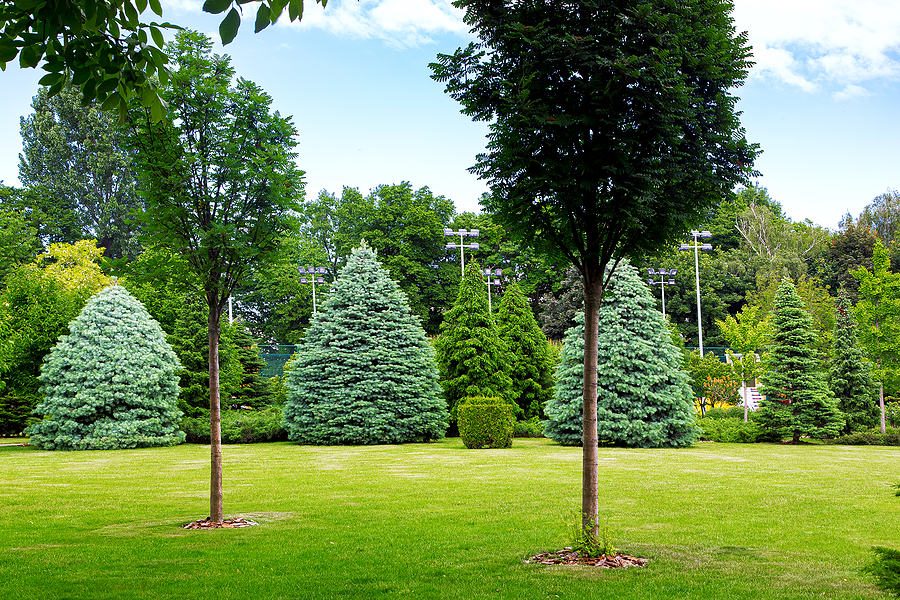
The Role of Deciduous and Coniferous Trees in Our Environment

Indiana, a state renowned for its patchwork quilt of rural farmland, stunning river valleys, and picturesque woodlands, owes much of its charm and ecological diversity to the magnificent trees that populate its landscape. Deciduous and coniferous trees are more than just a backdrop; they are essential components of a thriving ecosystem, offering us an array of benefits that we often take for granted.

From the grandeur of sugar maples to the stoic presence of the Eastern white pine, the trees of Indiana play a symbiotic role with the people and wildlife that call this place home. Our exploration of these arboreal wonders will not only be an ode to their beauty but also a testament to their significance in sustaining life on our planet.

Call 317-348-0811 for Professional Tree Care in Indianapolis Indiana

The Majestic Deciduous Trees of Indiana

A Palette of Changing Colors

In the heart of fall, there’s nothing quite like witnessing the transition of Indiana’s deciduous trees. The kaleidoscope of red, orange, and yellow paints the state in a stunning display, attracting leaf peepers from all over. Common species like the Sweetgum and White oak contribute to this spectacle. Learning to identify these trees by their leaves, bark, and silhouette can turn a simple walk in the woods into an educational adventure.

Vital Roles Year-Round

Deciduous trees are no less vital when they’re not turning heads in autumn. They provide shade on hot summer days, hold the soil in place to prevent erosion, and offer a luxurious home for local plant life. The yearly act of shedding leaves also enriches the soil, as the decomposed leaf litter becomes a natural fertilizer. Without these seasonal changes, the environment wouldn’t be able to support the diverse life that calls Indiana home.

Coniferous Trees: The Guardians of Winter Green

Definition and Diversity

Coniferous trees, also known as “evergreens,” maintain their moisture-resistant needles throughout the year. This adaptation to Indiana’s harsh winters not only helps them conserve water but also gives the landscape a permanent splash of green against the white canvas of snow. Varieties such as the Eastern hemlock and the iconic Eastern white pine are not only resilient but provide exceptional shelter for wildlife during the long cold season.

Environmental Engines

The shelter of conifers reduces wind impact, saves energy in winter, and provides food and habitat for birds and mammals. Their needles also play a crucial role in clearing the air, as they trap dust and other pollutants, contributing to better air quality. When deciduous trees are bare, conifers continue the work of their leafy counterparts, ensuring that Indiana’s ecosystem functions year-round without interruption.

Balancing Act: The Importance of Diversity

Intersection of Habitats

In Indiana, where deciduous and coniferous trees often coexist, we witness a unique dance of ecosystems. The varied niches this creates for plants and animals heightens the richness of this intersection. The towering sycamore stands side by side with the stout American beech. These partnerships are mother lodes of biodiversity, supporting a fascinating array of life.

Aesthetic and Environmental Harmony

From an environmental standpoint, this blend serves to stabilize the soil, prevent flooding, and maintain water quality. On a purely aesthetic level, Indiana’s landscape would be much less magnificent without the juxtaposition of these deciduous giants and their coniferous counterparts. Prairie meets forest, and the results are scenes that inspire poets and painters alike.

Incorporating Trees into Our Lives

Landscaping for Sustainability

It’s not just in the wild that these trees provide value. Home and business owners can incorporate both types of trees into their landscaping to encourage biodiversity and sustainable practices. The right tree in the right place not only reduces energy costs but adds to property values and improves the local micro climate.

Tree Care Best Practices

For those looking to plant or maintain trees, it’s essential to understand the unique requirements of each species. Deciduous trees often require more pruning and may be more vulnerable to pests and diseases, whereas conifers need attention to root health and needle maintenance. Resources such as the Indiana Department of Natural Resources provide guidelines to ensure that both the tree and its surrounding environment thrive.

Indiana’s Tree Planting Initiatives

Getting Involved in Replanting Efforts

To ensure that future generations can enjoy the benefits of our state’s diverse tree population, taking part in local tree planting initiatives is a concrete step individuals and communities can take. These efforts are crucial in maintaining the health and balance of Indiana’s ecosystems, especially in the face of challenges like urbanization and climate change.

Each Tree Matters

Remember, each sapling planted represents a cleaner environment, a more beautiful landscape, and a haven for countless organisms. It’s a small act that can catalyze significant positive change. By celebrating and educating ourselves about the extensive tree variety in Indiana, we pave the way for a more informed and involved community, ready to advocate for and protect our leafy friends.

Conclusion

The deciduous and coniferous trees of Indiana not only stand as living testaments to the natural world’s grandeur but also as steadfast allies in maintaining the balance and diversity of our environment. Their roles are irreplaceable, their presence irrevocably linked to our well-being and the health of our planet. It’s up to us to appreciate their significance, instill their value in others, and work towards ensuring their prosperous coexistence among us.

Are you in need of professional tree care for your property’s trees? Contact Timberland Tree Care at 317-348-0811 for licensed and insured tree service in Indianapolis, Indiana. We serve residential and commercial customers all throughout the surrounding Indy areas.

Related Posts:

The Benefits of Planting Trees on Arbor Day
Cost Differences of Removing Difference Species of Tree
Tree Species That Can Withstand Flooding in Indiana

Essential Guide to Caring for Newly Planted Trees

Newly planted trees are more than just elegant landscaping; they are the future forest of your property, contributors to the environment’s health, and intricate parts of your local ecosystem. This comprehensive guide is a must-read for garden enthusiasts, homeowners, and environmentalists looking to ensure the successful growth of their new arboreal addition.

Call 317-348-0811 for Spring Tree Care in Indianapolis Indiana

Why Care for Newly Planted Trees Is Essential

The first few years of a tree’s life are crucial for its health and shape. Proper care ensures that roots establish well, and the tree adapts to its new environment. This early care results in numerous benefits, including:

Longevity: A well-cared-for tree is likely to live longer, providing beauty and benefits for generations.

Property Value: Strategically planted trees can increase property value, especially if they are healthy and well-maintained.

Environmental Benefits: Trees contribute to local biodiversity and positively affect environmental conditions.

Cost-Effective: Investing resources in proper care reduces future maintenance costs.

Aesthetic Environment: Healthy trees create an aesthetically pleasing environment that can boost well-being.

Tree Maintenance for a Young or Newly Planted Tree

Watering Tips for New Trees

Water is essential to a young tree. During its first year, the tree should receive at least 5 gallons of water per week, and it should be applied slowly so that it can soak into the soil and reach the roots. A slow-release hose or a simple drip irrigation system can work wonders.

Over-watering can be as dangerous as under-watering. To check if your tree needs water, dig a small hole near the roots. If the soil is dry a few inches down, it is time to water. Avoid watering the leaves as this can lead to disease and other issues.

Pruning Tips for New Trees

Pruning is a delicate act. Never prune more than 25% of the tree’s canopy, especially in the first year. Your aim is to remove damaged or diseased branches that could harm the tree’s health, and to shape the tree when necessary.

Newly planted trees should not be pruned unless there is no other option. The focus should be on letting the tree grow and establish its root system. Once the tree is a bit older, periodic pruning encourages better structure and health.

Fertilization and Soil Management Practices

Fertilize the tree sparingly, as the young tree is not yet grown enough to require significant nutrients. Apply a slow-release fertilizer designed for trees in the spring and fall. The best approach is based on a soil test to understand which nutrients should be supplemented.

Keep the area around the tree free from competing plants. Use mulch to retain moisture, reduce weed competition, and insulate against temperature changes.

Protection Against Pests and Diseases

Since young trees have not developed a strong defense system, they are susceptible to pests and diseases. Regular checks for signs of infestation or illness are important.

Use preventive measures such as beneficial insects and disease-resistant plant varieties. Be cautious with chemical treatments, as they may harm the young tree if not applied properly.

Seasonal Care Calendar for Newly Planted Trees

Spring

Spring is a time of growth. Monitor your tree for any signs of damage from the winter cold. Provide protection from late frost by covering the tree at night. Fertilize the tree if necessary, but be cautious not to over-fertilize.

Prune your tree in early spring if there are any dead, dying, or diseased branches. This encourages healthy growth. Spring is also a good time to inspect the root ball and the tree tie or stake for any adjustments they might need.

Summer

The summer heat requires more diligent watering. If the tree shows signs of dryness, up the watering schedule. Summer is a great time to monitor the tree’s growth and adjust support as needed.

Protect the tree from sunburn and pests by applying tree wrap or insect barriers. Avoid mulching too close to the tree’s trunk, as it can provide a habitat for pests.

Fall

Fall is the time to monitor your tree for drought stress. The cooler weather may lead you to believe that the tree needs less water, but this is not necessarily the case. Continue to water as needed.

Prepare your tree for winter by gradually reducing the amount of water in the late fall. Waterlogged roots combined with winter temperatures can lead to root rot. Clear the area of leaves to reduce the risk of pests and disease.

Winter

Winter is a time for the tree to rest. The focus should be on structural integrity. Prune your tree to get rid of any snow or ice damage. Provide some insulation for the base of the tree to keep the roots from freezing, especially for newly planted trees that are more vulnerable to frost.

Inspect the tree’s surroundings regularly for debris or pests. Winter is also a good time to conduct a thorough health check for the tree, looking for irregular growth or signs of disease.

Conclusion

Proper care for newly planted trees is an investment in the future of your property and the environment. It’s an act of giving back to nature by enhancing local ecosystems and contributing to a greener planet. By following the practices outlined in this guide, you can take pride in knowing that your efforts are enriching the world for years to come.

Remember, each tree can significantly impact the environment and our wellbeing. By caring for your newly planted tree, you are making a conscious contribution to environmental conservation. Every drop of water, every careful pruning, and every watchful eye helps to ensure that your tree thrives and continues to give innumerable benefits to the world around it.

Trees are more than just part of a landscape. They are life. And they deserve the very best care we can offer them. Contact Timberland Tree Care at 317-348-0811 for licensed and insured seasonal tree service in Indianapolis, Indiana. We provide residential and commercial tree care solutions at economical prices.

Related Posts:

Structural Support for Landscaping Trees: A Guide for Homeowners
Tips for Protecting Your Trees From Wind Damage
Tree Maintenance: Seasonal Tips for Keeping Your Trees Healthy

What to Do with Your Christmas Tree after the Holidays in Indianapolis

The magic of the holiday season has come and gone, leaving you with the question: “What do I do with my Christmas tree now?” In Indianapolis, there are several Eco-friendly and convenient methods for Christmas tree disposal. Traditional customs suggest that January 5th, known as “Twelfth Night,” is the best time to bid farewell to your holiday decorations, including your Christmas tree. But the process doesn’t have to be a hassle!

Whether you’re looking for a Christmas tree pickup service, planning to drop it off at a recycling point, or even thinking about buying a Christmas tree bag for your artificial tree, this blog will guide you through the options available in our city, all in accordance with Indianapolis city ordinances.

Call 317-348-0811 For Dead Tree Removal in Indianapolis Indiana
Both the Indianapolis Department of Public Works and Indy Parks are accepting live and dead Christmas trees from Dec. 25 to Jan. 31, dusk until dawn.

Christmas Tree Pickup

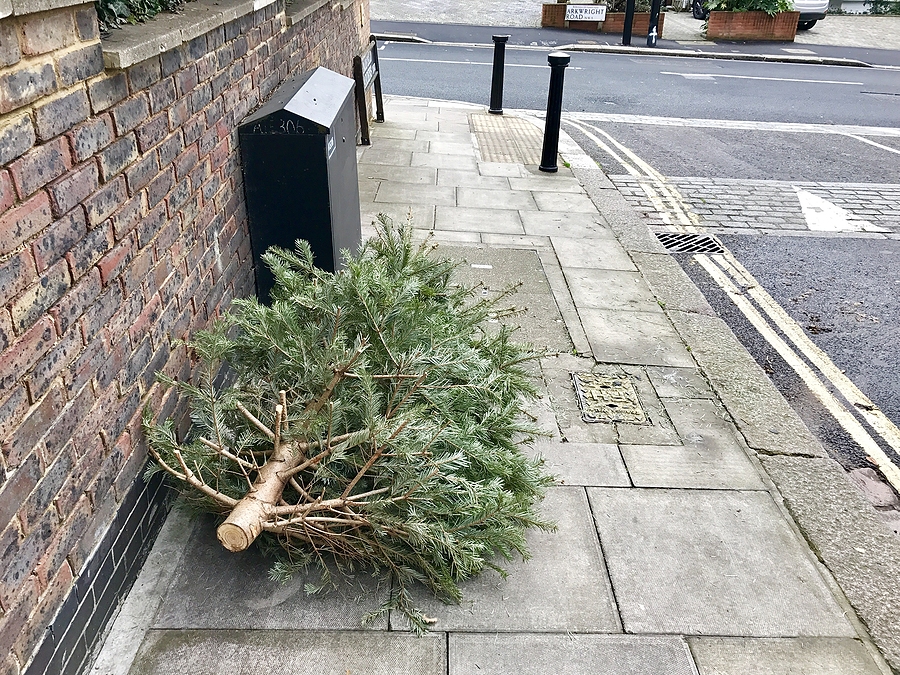
One of the easiest ways to dispose of your Christmas tree is by utilizing the city’s curbside pickup service. From December 26th until January 31st, you can leave your Christmas tree on the curb for collection on your scheduled trash day. However, there are a few things to keep in mind when preparing your tree for pickup:

►Remove all decorations, lights, and tinsel from the tree.
►Cut the tree into four-foot sections if it is taller than six feet.
►Place the tree at least three feet away from your trash and recycling bins.

Following these guidelines will ensure a smooth pickup process and prevent any potential safety hazards for the collection crew.

Christmas Tree Drop Off

Another Eco-friendly option for Christmas tree disposal is dropping it off at a designed location. According to Indianapolis city ordinances, all residents have access to a free Xmas tree drop-off service at various locations throughout the city. Both the Indianapolis Department of Public Works and Indy Parks are accepting live and dead Christmas trees from Dec. 25 to Jan. 31, dusk until dawn. They will accept your Christmas tree free of charge so long as it meets the following requirements:

► All decorations, lights, and tinsel must be removed.
► Trees must be free of any bags or tree stands.
► No artificial trees will be accepted.

*VIEW ALL DROP OFF LOCATIONS AT INDIANAPOLIS DEPARTMENT OF PUBLIC WORKS

Christmas Tree Recycling

You can also recycle your tree in unique ways. If you are an avid gardener, you might prefer composting your tree to create nutrient-rich soil for plants. It can also be turned into mulch or fertilizer! Whatever your preference, repurposing your Christmas tree is a responsible, yet inventive way to extend the holiday cheer well into the new year. Recycling your Christmas tree not only helps the environment but also creates mulch for city parks and landscaping projects. It’s a win-win situation!

Artificial Christmas Tree Storage Tip

If you’re an artificial Christmas tree family, then consider investing in a Christmas tree bag. These bags are specially designed to store your artificial tree and protect it from dust, dirt, and moisture throughout the year. They come in various sizes to fit different tree heights and can be easily stored in a closet or garage. Not only does this option save you time and effort for next year’s holiday decorating, but it also reduces waste and is in line with the city’s efforts to promote sustainability.

Conclusion

There are several options for Christmas tree disposal in Indianapolis that adhere to city ordinances and promote Eco-friendliness. Whether you choose curbside pickup, recycling, or investing in a Christmas tree bag, saying goodbye to your holiday tree doesn’t have to be a hassle. Remember, January 5th is the traditional time for taking down your decorations, but feel free to do so anytime between December 26th and January 31st.

Are you looking for some tree work for your home or business? Contact Timberland Tree Care at 317-348-0811 for licensed and insured tree services in Indianapolis, Indiana. We serve residential and commercial customers.

Related Posts:

How to Get Rid of Your Christmas Tree in Indianapolis
From Roots to Leaves: A Beginner’s Guide to Tree Anatomy
Tips for Caring for Evergreen Trees During the Winter

Why Do Trees Shed Their Leaves? An Exploration of Seasonal Leaf Loss

As the seasons change, so does the scenery around us, especially when it comes to trees. The transformation from the lush green leaves of summer to the vibrant hues of autumn is a sight to behold. But why do trees shed their leaves during certain times of the year?

In this blog post, we’ll delve into the fascinating world of seasonal leaf loss. We will explore this natural process from a tree’s perspective, its role in the life cycle of a tree, and how it can sometimes indicate matters of tree health and care. Stay with us as we embark on this enlightening journey through the forest.

Call 317-348-0811 For Autumn Tree Care in Indianapolis Indiana

The Reasons Behind Leaf Loss

To understand why trees lose their leaves, we first need to recognize the importance of photosynthesis. This vital process in plant life involves capturing sunlight and converting it into energy for growth and survival. During this process, trees absorb carbon dioxide from the air through small openings on their leaves called stomata. At the same time, they release oxygen back into the atmosphere. The green pigment in leaves, chlorophyll, plays a crucial role in this process by absorbing sunlight and converting it into energy.

As the days become shorter and temperatures drop, trees prepare for winter by conserving energy. This means they stop producing food through photosynthesis and instead focus on survival until springtime returns. To do this efficiently, trees shed their leaves, which require a lot of energy to maintain. By shedding their leaves, trees can conserve resources and survive harsh weather conditions.

The Cycle of Leaf Loss

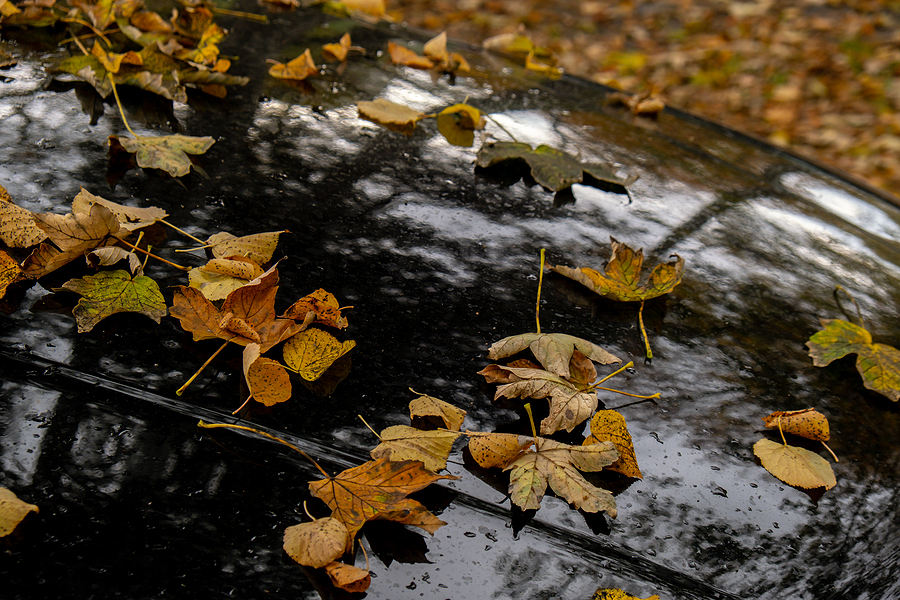
The cycle of leaf loss begins in the fall when trees stop producing chlorophyll. This causes the green pigment to break down, revealing other pigments such as yellow and orange that were previously masked. These pigments give leaves their vibrant autumn colors. As temperatures continue to drop, a layer of cells forms at the base of each leaf’s stem, cutting off the supply of water and nutrients from the tree. This causes the leaves to eventually die and fall off.

Indicators of Tree Health

Although seasonal leaf loss is a natural process, it can sometimes indicate underlying issues with tree health. For example, if a tree loses its leaves too early in the season or has discolored and wilted leaves, it may be a sign of stress or disease. In some cases, early leaf loss can also be caused by drought or insect infestation. Therefore, it is essential to monitor your trees’ leaf loss patterns and seek professional help if you notice any abnormalities.

Caring for Trees During Leaf Loss

As tree owners, it is our responsibility to care for our trees and ensure their well-being. Regularly raking up fallen leaves can help prevent the spread of diseases and pests that may have affected the tree. It also promotes a healthy lawn by allowing sunlight and air circulation. Additionally, providing your trees with proper nutrients, water, and pruning can help them prepare for the upcoming leaf loss cycle.

Conclusion

The cycle of leaf loss is a natural and critical process in a tree’s life. It allows trees to conserve energy and survive harsh weather conditions during the winter months. However, it is also essential to pay attention to any abnormal signs of leaf loss that may indicate underlying issues with tree health. By understanding the reasons behind leaf loss and caring for our trees accordingly, we can ensure their longevity and contribute to a healthy environment. So next time you see leaves falling from trees, know that it is all part of nature’s grand plan.

Are you in need of Fall tree care this season? Contact Timberland Tree Care at 317-348-0811 for licensed and insured tree trimming and pruning services in Indianapolis, Indiana. We serve residential and commercial customers.

Related Posts:

4 Ways to Compost in the Fall
The Best Time of Year to Trim and Prune Trees
Fall is Coming: How to Prepare Your Trees for the Colder Season

Tree Health Inspections: Why They Are Important and How to Conduct Them

Ensuring the health and longevity of the trees in our environments is a responsibility that often goes overlooked. Yet, this task is crucial, offering significant benefits not only for our individual landscapes, but also for our local ecosystems and the planet as a whole. One key component of tree care is regular tree health inspections, a proactive measure to identify and mitigate potential issues such as tree diseases.

Conducting these inspections helps to maintain the beauty and health of our trees, and in this blog, we delve into the importance of tree health inspections and guide you through the process of conducting them effectively. So, let’s branch out in our understanding of tree care.

Call 317-348-0811 For Tree Health Inspection in Indianapolis IN

The Importance of Tree Health Inspections

Tree health inspections are essential for several reasons. First and foremost, they allow us to detect any problems with our trees at an early stage. Just like humans, trees can also get sick. And if left untreated, these issues can spread quickly and even result in the death of the tree. With regular inspections, we can identify and address any problems before they escalate, saving the tree and potentially avoiding costly treatments or removals.

Moreover, trees play a vital role in our environment – they provide us with clean air, shade, and contribute to biodiversity. Conducting health inspections helps ensure that our trees continue to thrive and fulfill these critical functions. Early detection of tree diseases can prevent them from spreading to other trees, maintaining the health and balance of our ecosystems. Furthermore, healthy trees are more resilient to environmental stressors such as extreme weather conditions or pest infestations. By conducting regular inspections, we can keep our trees strong and robust, increasing their chances of survival during challenging times.

How to Conduct Tree Health Inspections

Now that we understand the importance of tree health inspections, let’s discuss how to conduct them effectively. Ideally, tree health inspections should be done by a certified arborist who has the expertise and knowledge to identify any potential issues accurately. However, as tree owners, we can also conduct basic visual checks on our trees regularly. Here are some steps to follow when conducting a tree health inspection:

► Start with a general overview of the tree, looking for any obvious signs of distress such as discoloration or dead branches.

► Check the trunk and bark for any cracks, holes, or fungus growth.

► Inspect the branches and leaves, looking for any abnormalities or pests.

► Pay attention to the root zone and check for issues like root rot or girdling roots.

► Keep a record of your findings, including any abnormalities or changes compared to previous inspections.

If you notice any significant problems during your inspection, it is best to consult a certified arborist for further evaluation and treatment recommendations.

Common Tree Diseases in Indiana

While tree diseases can be prevalent in any area, each region has its specific types of diseases to watch out for. In Indiana, some common tree diseases include:

Oak Wilt: Oak wilt is a fungal disease that affects oak trees and can result in their death.

Dutch Elm Disease: A vascular disease caused by a fungus that affects elm trees and can lead to their decline.

Anthracnose: A fungal disease that affects many tree species, causing leaf discoloration and defoliation.

Emerald Ash Borer: Emerald Ash Borers are an invasive beetle species that attacks and kills ash trees.

To protect trees from these diseases, regular inspections are essential. If you suspect any of your trees may be affected by a disease, it is crucial to act quickly and seek professional help to prevent the spread.

Conclusion

Tree health inspections may seem like a small task, but they have significant benefits for both individual trees and the larger environment. By conducting regular inspections, we can detect and address any problems early on, ensuring the survival of our trees and contributing to a healthier planet. So, let’s all do our part in caring for our trees and the environment by conducting regular tree health inspections. Remember, healthy trees lead to a healthier world.  So, go out there and give your trees some love! 

Are you looking for professional tree care near Indy? Contact Timberland Tree Care at 317-348-0811 for licensed and insured seasonal tree service in Indianapolis, Indiana. We provide residential and commercial tree care solutions at economical prices.

Related Posts:

Top 5 Reasons Your Tree Looks Unhealthy
Understanding the Science of Pruning: When and Where to Cut for Max Health
The Impact of Climate Change on Tree Health