Why Are My Trees Changing Color Early? What It Could Mean

Spotting a blush of red or a wash of gold on your trees might feel like a welcome preview of fall—but if it’s happening in July or August, it’s rarely a good sign. Premature tree color change is one of the most visible indicators that something is wrong beneath the surface.

Healthy trees follow a predictable seasonal rhythm. As daylight shortens and temperatures drop in autumn, chlorophyll production slows and the underlying pigments—yellows, reds, and browns—take over. When that process happens weeks or months early, it almost always points to stress, disease, or damage that deserves your attention.

This guide breaks down the most common causes of premature tree color change, what warning signs to watch for, and when it’s time to call a professional.
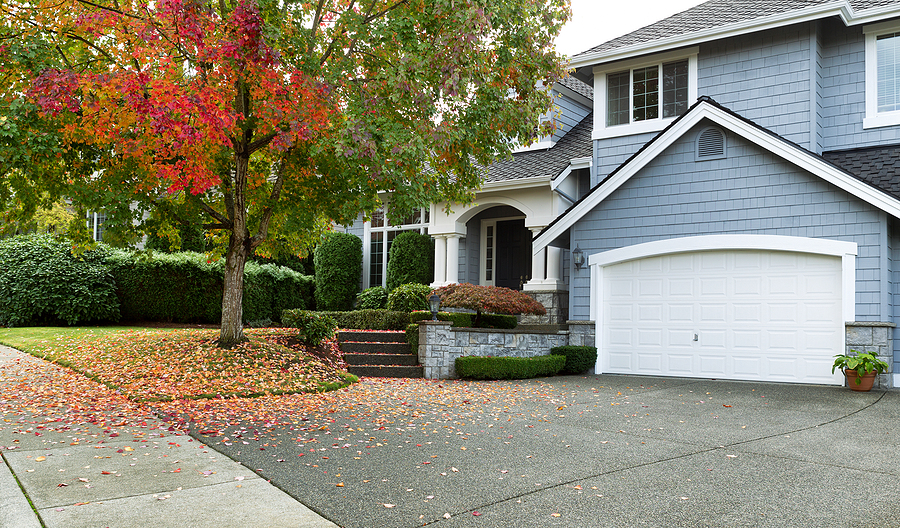
Premature Color Change in Leaves

Common Causes of Early Tree Discoloration

Early leaf color change doesn’t have one single cause. It can stem from a range of issues, including:

  • Environmental stress (drought, heat, or excessive rainfall)
  • Disease and pest infestations
  • Root and soil problems
  • Nutrient deficiencies

In many cases, multiple factors are working together. A drought-stressed tree, for example, is far more vulnerable to insect attack and disease—creating a cycle that accelerates decline. Knowing which issue you’re dealing with is the first step toward protecting your trees.

Environmental Stress Factors

Drought

When trees don’t get enough water, chlorophyll production drops and photosynthesis slows—triggering premature yellowing or browning. Drought-stressed trees often show wilting, early leaf drop, and in severe cases, canopy dieback.

During extended dry periods, trees conserve energy by shedding leaves early. This is a survival response, but it weakens the tree over time and makes it more susceptible to pests and disease.

If your trees are showing signs of drought stress, deep watering once a week (focusing on the drip line, not the trunk) can help them recover. Mulching around the root zone—about two to three inches deep—helps retain moisture between watering sessions.

Excessive Heat

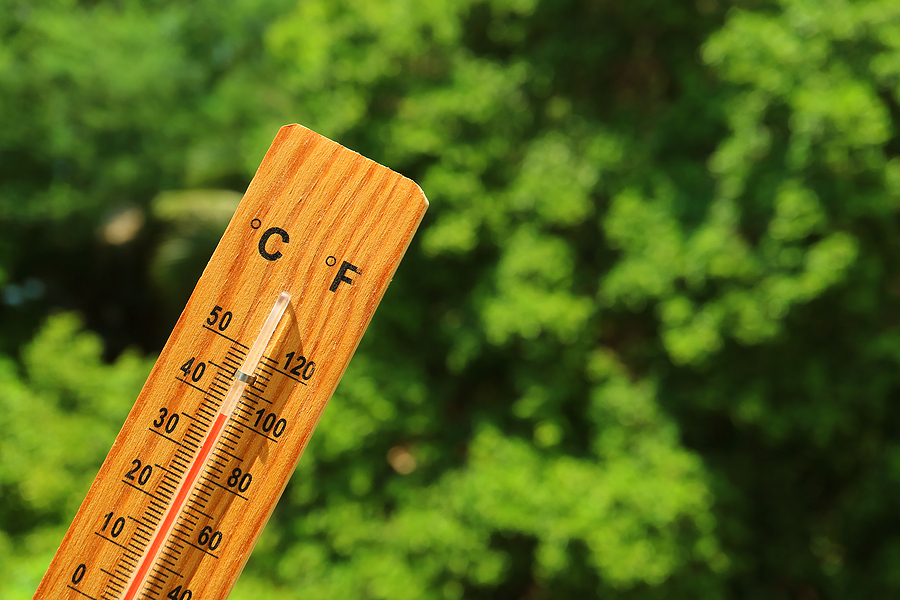
Prolonged periods of high heat interfere with how trees move water from their roots to their leaves. When this process breaks down, chlorophyll degrades and yellow pigments become visible. Heat stress typically shows up on the sun-exposed side of the tree first, with scorched or brown edges at the tips of leaves.

Trees may wilt during the afternoon but recover overnight. If symptoms worsen over consecutive hot days and don’t improve with cooler temperatures, heat stress is a likely culprit.

Overwatering and Heavy Rainfall

Too much water is just as damaging as too little. Waterlogged soil starves tree roots of oxygen, weakening them and triggering early color change. If your area has experienced heavy rain or your yard has poor drainage, yellowing leaves and premature leaf drop may follow.

Avoid overwatering, and if standing water regularly collects near your trees, consult an arborist about drainage solutions.

Disease and Pest Problems

Common Tree Diseases

Several fungal diseases commonly cause premature leaf discoloration:

  • Leaf spot diseases cause yellowing around infected areas, eventually leading to early leaf drop. These become more aggressive when trees are already heat-stressed.
  • Anthracnose is a fungal disease that frequently affects sycamores, oaks, and maples, producing irregular patterns of yellowing and browning.
  • Armillaria root rot causes yellowing and undersized leaves, often accompanied by poor canopy growth and dead upper branches.
  • Root rot from excess moisture typically causes yellowing that starts from the inside of the canopy and spreads outward.

According to Tchukki Andersen, Board Certified Master Arborist and staff arborist with the Tree Care Industry Association: “Premature color change can be an indication that a tree isn’t vigorous enough to withstand insects and disease organisms that may attack it.”

A critical clue: if only one or two limbs are showing early color change, disease affecting only those branches is likely. If the entire tree is involved, root-related stress is the more probable cause.

Signs of Pest Damage

Heat-stressed trees attract pests that accelerate leaf yellowing. Common culprits include:

  • Bagworms, which feed on foliage inside protective cases and can cause widespread defoliation if left untreated
  • Scale insects, which attach to branches and leaves, sucking plant juices and causing stunted growth and premature leaf drop
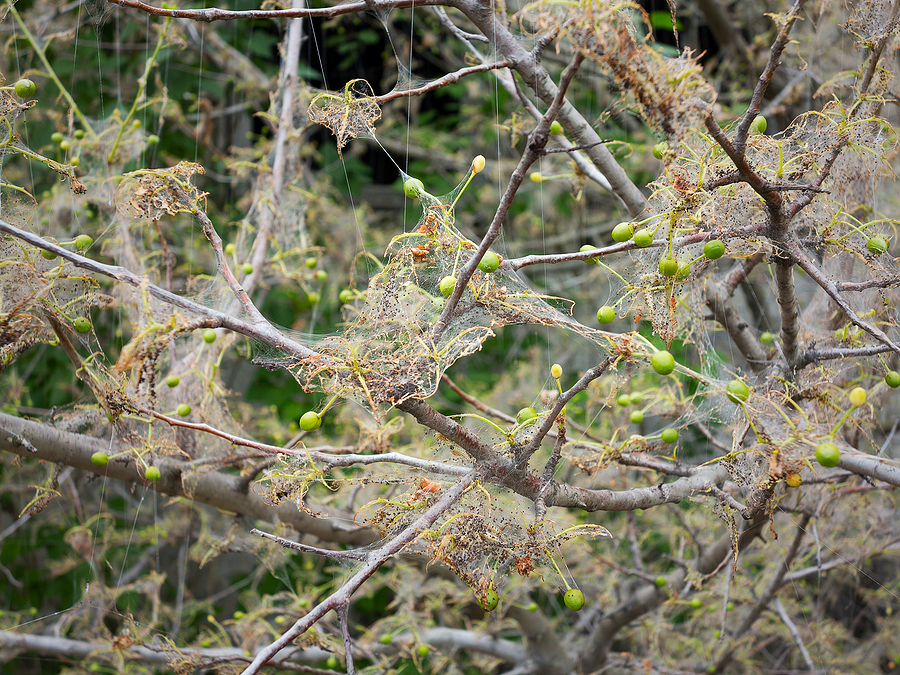
  • Spider mites, which cause stippling and yellowing that can be mistaken for drought stress

If you notice yellowing alongside visible insects, webbing, unusual spots, or growths on the bark, it’s time to get a professional diagnosis.

Root and Soil Issues

Compacted Soil

Compacted soil prevents roots from accessing water, oxygen, and nutrients—even when those resources are present in the surrounding environment. Trees planted in high-traffic areas, near driveways, or in clay-heavy soil are especially vulnerable.

When roots can’t function properly, the stress manifests above ground as premature color change, especially when the entire tree is affected.

Poor Drainage and Root Damage

Soil that holds water too long creates anaerobic conditions that kill fine feeder roots—the very roots responsible for nutrient uptake. Construction activities, improper planting depth, and natural soil compaction can all contribute to root-related stress.

If root damage is the issue, recovery is possible, but it often takes several growing seasons with consistent care and management.

Nutrient Deficiencies

Nitrogen, Iron, and Magnesium

Nutrient deficiencies become most visible during periods of stress. Here’s how to tell them apart:

  • Iron deficiency (chlorosis): Yellowing between leaf veins while the veins themselves remain green. This interveinal chlorosis is especially common in alkaline soils where iron is chemically unavailable to trees even when it’s physically present.
  • Nitrogen deficiency: A uniform yellowing that affects older, lower leaves first—without the distinctive green veining pattern of iron chlorosis.
  • Magnesium deficiency: Marginal yellowing on older leaves, while newer growth retains its normal color.
  • Potassium deficiency: Yellowing and browning around leaf edges, often accompanied by stunted growth and increased vulnerability to heat stress.

If you suspect a nutrient deficiency, a soil test can confirm exactly what’s missing and guide appropriate treatment.

When to Call a Professional

Some degree of leaf yellowing is normal, particularly in late summer. But certain warning signs indicate a more serious underlying problem that warrants professional assessment:

  • Yellowing affects more than 25% of the canopy
  • Color change progresses rapidly over just a few days
  • Yellowing is accompanied by branch dieback, bark damage, or fungal growth
  • Multiple trees on your property are affected
  • Symptoms don’t improve after two to three weeks of adjusted watering

Early intervention matters. Once chlorophyll breaks down, affected leaves won’t recover—but addressing the root cause promptly can protect new growth and prevent further decline.

Have a sick or dying tree on your property? Don’t wait. The team at Timberland Tree Care in Indianapolis can assess your tree’s condition and help you determine the best course of action. Get a free tree removal estimate today.

Frequently Asked Questions

Can premature color change be reversed?

Leaves that have already changed color cannot return to green—once chlorophyll breaks down, that process is irreversible. However, correcting the underlying cause (whether it’s watering, soil conditions, or pest treatment) can protect new growth and help the tree stabilize.

Is early leaf drop dangerous for the tree?

It depends on the cause and severity. Occasional early leaf drop during drought or heat is a survival mechanism, but repeated or widespread early drop weakens the tree over time, making it more vulnerable to pests, disease, and winter damage.

Should I remove a tree that’s showing premature color change?

Not necessarily—but it depends on the diagnosis. Some trees recover fully with the right treatment, while others with severe root rot or structural damage may pose a safety risk and require removal. A certified arborist can give you a professional assessment and help you make an informed decision.

Take Action Before the Problem Gets Worse

Premature tree color change is your tree’s way of telling you something is wrong. The causes range from something as straightforward as inconsistent watering to more serious issues like root rot or pest infestations—and the sooner you identify the problem, the better the chances of recovery.

If your Indianapolis trees are showing early color change, wilting, or unusual leaf drop, contact Timberland Tree Care for a professional tree removal assessment. Get your free estimate today.

Call Now

Related Posts:

Tree Maintenance: Seasonal Tips for Keeping Your Trees Healthy
Why Do Trees Shed Their Leaves? An Exploration of Seasonal Leaf Loss
Why are My Tree Leaves Brown and Dead at the Edges?
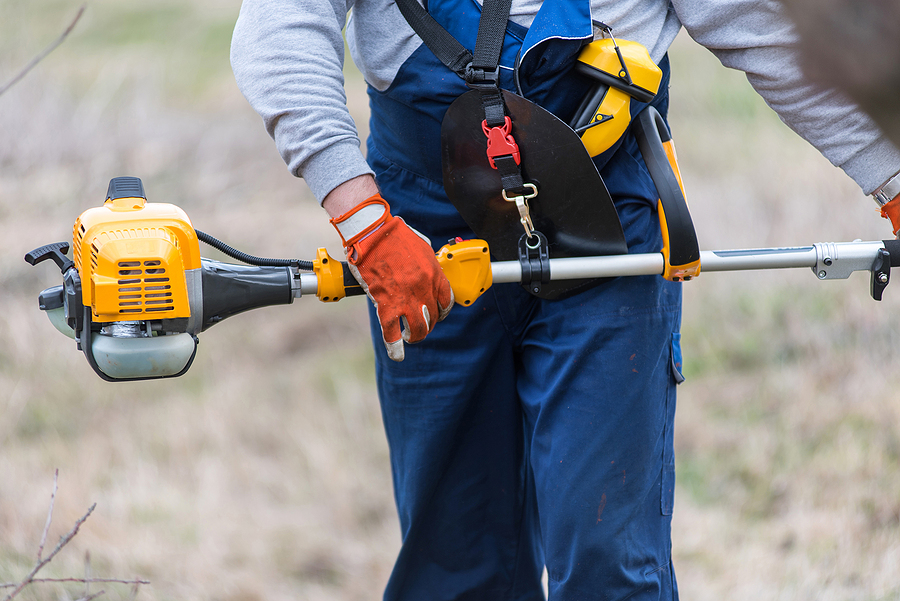
Tree Pruning Tools: A Complete Guide for Every Job

Healthy trees don’t happen by accident. Regular pruning removes dead wood, improves airflow, and shapes growth—but only when done with the right tools. Grab the wrong one, and you risk tearing bark, crushing stems, and leaving wounds that invite disease.

This guide covers every major type of tree pruning tool, when to use each one, and how to keep them in peak condition. Whether you’re trimming a rose bush or cutting back a mature oak, knowing your tools makes all the difference.

Tree Pruning Tool Guide

Essential Hand Tools for Tree Pruning

Most pruning jobs start—and often end—with hand tools. They’re precise, portable, and suitable for the majority of cuts you’ll make in a home garden.

Pruning Shears: Bypass vs. Anvil

Pruning shears, also called hand pruners, are designed for branches up to ¾ inch in diameter. There are two main types, and the difference matters.

Bypass pruners have two curved blades that pass each other in a scissor-like motion. They create clean, close cuts that heal quickly—making them the preferred choice for live branches.

Anvil pruners, on the other hand, use a single sharp blade that presses down onto a flat surface. They’re more powerful and better suited for deadwood, but they can crush soft stems if used on living growth.

For general pruning, bypass shears are the smarter default. Reserve anvil pruners for dry, woody, or dead material.

Loppers for Thicker Branches

When a branch exceeds ¾ inch in diameter, hand pruners aren’t enough. That’s where loppers come in. Their long handles create leverage, allowing you to cut through branches from ¾ inch up to 1½ inches in diameter with far less effort.

Like pruning shears, loppers come in bypass and anvil versions. Look for models with telescoping handles for extended reach, or ratcheting mechanisms that let you cut in stages—a real advantage on tougher, thicker wood. Compound and geared loppers amplify cutting force even further, usually completing the cut in a single squeeze.

Pruning Saws for Larger Cuts

Once a branch surpasses 1¾ inches in diameter, a pruning saw becomes necessary. These aren’t your standard workshop hand saws. Pruning saws have narrow, tapered blades—often curved—with teeth designed to cut on both the push and pull stroke. That design saves energy and speeds up the cut.

When removing larger branches with a saw, always use the three-cut method: make an undercut first to prevent bark tearing, then a top cut to remove the branch, and finally a clean cut at the branch collar. Skipping this step can strip bark and create entry points for disease.

Power Tools and Equipment

Power tools step in when hand tools reach their limits—or when there’s simply too much volume to cut manually.

Chainsaws: When and How to Use Them

Chainsaws are the go-to tool for large branches and heavy-duty pruning. Professional arborists rely on them regularly. For homeowners, though, chainsaws carry significant risk. According to Iowa State University Extension, home gardeners should opt for pruning saws rather than chainsaws to reduce the risk of injury—especially without formal training.

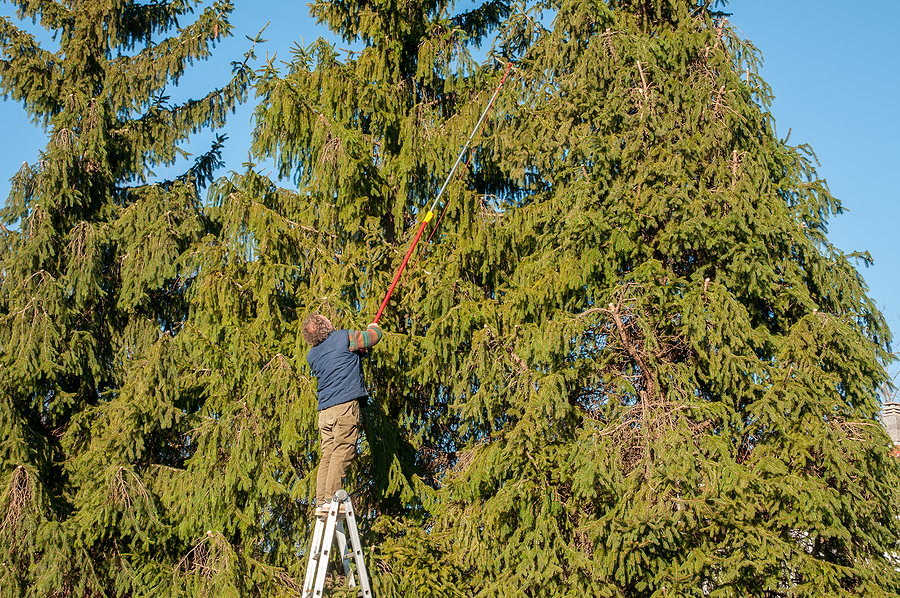
If a job involves large limbs high in the canopy, branches near power lines, or any situation that requires working off the ground, leave the chainsaw to a certified arborist.

Pole Saws for High Branches

Pole saws extend your reach without requiring a ladder. A saw blade mounts to a long pole—typically fiberglass or aluminum—letting you trim branches up to about 2 inches in diameter from a safe, ground-level stance. They’re particularly useful for light canopy work and removing crossing or rubbing branches in the upper crown.

Hedge Trimmers for Shrubs

Hedge trimmers—manual or electric—are built for shaping formal hedges, not for pruning trees. Their blades make repeated shearing cuts, which can tear and stress woody branches. If you’re working on trees or natural-form shrubs, stick to the tools designed for the job.

Specialty Tools and Their Uses

A few specialty tools fill in the gaps for tasks that standard equipment handles poorly.

Pole Pruners for Precision Work

Pole pruners differ from pole saws in their cutting mechanism. They feature a stationary hook and a hinged blade operated by a pull rope, mounted on a long wooden or fiberglass pole. This design gives you more control on targeted cuts, making them ideal for precise, overhead work on branches up to 2 inches in diameter—without the aggressive cutting action of a saw.

Folding Saws for Portability

A folding pruning saw tucks away safely when not in use, making it easy to carry through a garden or up into a tree. They’re compact but capable, handling the same size branches as a standard pruning saw. For anyone who moves around the property frequently while pruning, a folding saw is a practical, low-fuss addition to the toolkit.

Branch Cutters for Specific Tasks

Heavy-duty branch cutters, sometimes called tree loppers or pruning snips, are purpose-built for dense or particularly tough wood. Think of them as an industrial-strength lopper for awkward angles or congested growth where standard tools can’t get a clean swing.

Safety Equipment You Need

The right safety gear isn’t optional—it’s part of the job.

Gloves and Eye Protection

Heavy-duty gloves protect your hands from blisters, sharp edges, and splinters. Safety glasses or goggles are equally critical; wood chips and debris move fast, and eye injuries happen quickly during pruning work.

Hard Hats and Chaps

Any overhead work calls for a hard hat. For chainsaw use specifically, purpose-built chainsaw chaps provide a critical layer of cut protection for your legs. Many chainsaw safety helmets combine a hard hat, face visor, and ear protection in a single unit—a practical all-in-one solution.

Proper Footwear for Climbing

Steel-toed boots with good ankle support reduce the risk of crushing injuries and provide stability on uneven ground. If any climbing is involved, certified arborist climbing boots offer the grip and protection that standard footwear simply can’t match.

Choosing the Right Tool for Your Needs

Three questions guide the decision:

How thick is the branch? Match tool to diameter: shears for up to ¾ inch, loppers for ¾ to 1½ inches, saws beyond that.

What kind of cut do you need? Live branches call for bypass-style blades. Deadwood tolerates anvil types.

What’s your budget? High-quality tools cost more upfront, but they cut cleaner, last longer, and are safer to use. According to Nebraska Extension, well-made tools will far outlast cheaper alternatives when properly maintained.

Maintenance Tips for Your Pruning Tools

Well-maintained tools stay sharp, last longer, and won’t transmit disease between plants.

Keep Blades Sharp and Clean

A dull blade crushes instead of cuts. Use a flat file or whetstone to sharpen pruning shears, loppers, and saws regularly. Between uses, disinfect cutting blades with a 10% bleach solution (one part bleach to nine parts water) or 70% rubbing alcohol—particularly important after working with diseased wood.

Store Tools Properly

Hang tools in a dry, well-ventilated area to prevent rust and keep edges off hard surfaces. Apply a thin coat of vegetable oil, motor oil, or WD-40 to metal parts before storage. For wooden handles, a wipe-down with linseed oil prevents cracking through freeze-thaw cycles.

Regular Inspections for Safety

Before each use, check blades for chips or cracks, inspect handles for splinters or fractures, and confirm that bolts and springs are secure. A tool that fails mid-cut isn’t just inefficient—it’s a safety hazard.

When to Call in the Professionals

Some pruning situations simply exceed what DIY tools and skills can safely handle. Large limbs, for example, can be far heavier than they appear, making controlled removal difficult without the right equipment. Work at height introduces additional risks, as unstable footing and awkward angles can quickly turn a routine task into a dangerous one.

Branches near power lines require specialist knowledge and should never be approached without professional training. Diseased trees, too, present unique challenges—weakened wood can be unpredictable, increasing the likelihood of unexpected breaks or falls. In these situations, calling in a qualified tree pruning service isn’t just the safer choice—it’s the smarter one.

Frequently Asked Questions

What’s the difference between pruning shears and loppers?

Pruning shears are handheld and designed for branches up to ¾ inch in diameter. Loppers have long handles that provide extra leverage and handle branches from ¾ inch up to 1½ inches. When a branch is too thick for shears, loppers are the next step.

Can I use a chainsaw for all tree pruning?

Technically possible, but not recommended for most homeowners. Chainsaws are best reserved for large branches and are most safely operated by trained arborists. For general home pruning, a pruning saw is a safer and more controlled alternative.

How often should I sharpen my pruning tools?

Sharpen blades at the start of each pruning season and inspect them after heavy use. Dull blades tear wood rather than cut cleanly, which slows healing and increases disease risk.

Do I need professional help for tree pruning?

For small, accessible branches, most homeowners can prune safely with the right tools. However, any pruning that involves large limbs, high canopy work, or proximity to power lines should be handled by a certified arborist.

For professional tree pruning service in Indianapolis, trust Timberland Tree Care. From routine maintenance to complex removals, Timberland Tree Care is your one-stop shop for all tree service needs. Contact us today for a consultation.

Call Now

Related Posts:

Why You Should Prune Trees: Essential Care for a Healthy Landscape
The Hidden Risks of Over-Pruning Trees and How to Avoid Them
Tree Maintenance: Seasonal Tips for Keeping Your Trees Healthy

Tree Crown Splitting: What It Is and When to Do It

A tree that looks perfectly healthy on the outside can be quietly developing a serious structural problem at its core. Tree crown splitting is one of those issues—easy to miss until a storm makes the decision for you. Knowing what to look for, when to act, and what a professional arborist can do about it could be the difference between preserving a tree you’ve loved for decades and losing it overnight.

This guide covers everything Indianapolis homeowners need to know about tree crown splitting: the warning signs, the benefits of treatment, and the best time of year to get it done.

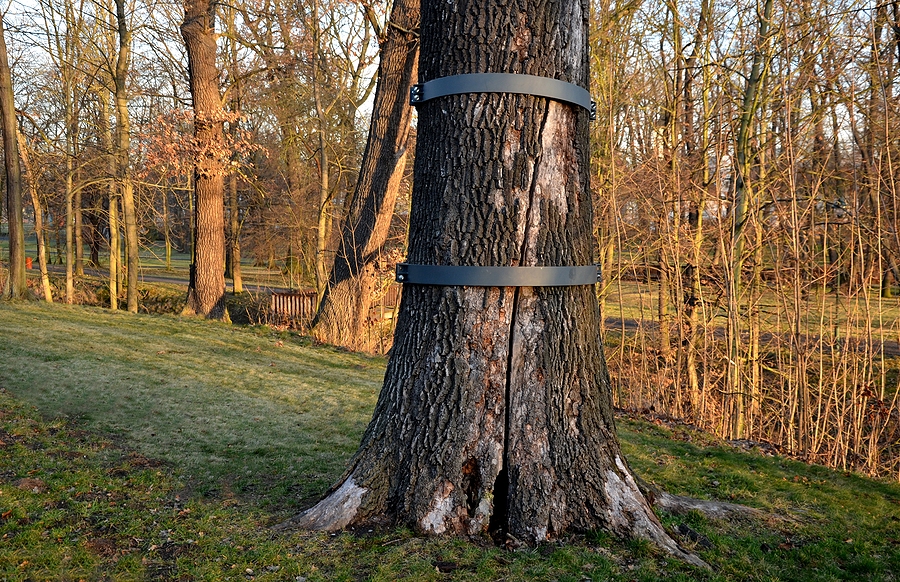
Tree Crown Splitting Support System

What Is Tree Crown Splitting?

Tree crown splitting refers to the separation or fracturing that occurs where two or more major stems meet at the crown of a tree. This isn’t just cosmetic damage. It signals a deeper structural weakness that, left unaddressed, can lead to catastrophic failure—especially during Indiana’s heavy storms and ice events.

The issue typically originates from the way a tree grows its upper structure. When two stems develop at roughly equal size from a single junction, they compete for dominance rather than fusing into one strong trunk. Over time, that junction becomes a weak point.

Recognizing the Signs Your Tree Needs Crown Splitting Treatment

Weak V-Shaped Crotches

The angle between two co-dominant stems tells you a lot about structural risk. A broad, U-shaped crotch generally means strong, well-connected wood fibers. A narrow, V-shaped crotch is a red flag. The sharper the angle, the less connective wood tissue holds the stems together—and the greater the chance of a split during high winds or heavy snow.

Co-Dominant Stems

Co-dominant stems are two or more main trunks of roughly equal diameter growing from the same point. Because neither stem clearly dominates, the tree can’t form the strong collar of wood that typically anchors a branch to a trunk. This is the most common structural defect found in mature trees.

Included Bark

When co-dominant stems grow tightly together, bark gets trapped—or “included”—between them. Instead of strong wood fibers bonding the two stems, you get compressed bark tissue, which is far weaker. Included bark acts like a wedge, slowly pushing the stems apart from the inside. A visible seam or ridge of bark running down into the crotch of two stems is a clear indicator this problem is present.

Visible Cracks or Splitting

An open fissure or crack at a major stem union is an urgent warning sign. At that stage, the structural integrity of the tree has already been compromised. The sooner a certified arborist intervenes, the better the chances of saving the tree.

The Benefits of Professional Crown Splitting Treatment

Stronger Structural Integrity

Cabling and bracing—the two primary tools used to treat crown splitting—physically reinforce weak unions. High-tensile cables installed in the upper canopy redistribute the load across a wider portion of the tree. Threaded steel bracing rods, inserted directly through splitting trunks, bolt the structure together at the point of failure. Together, these systems significantly reduce the risk of stem separation.

Protection Against Storm Damage

Indianapolis sees its share of severe thunderstorms, straight-line winds, and winter ice accumulation. Trees with co-dominant stems and included bark are disproportionately vulnerable to those conditions. Professional crown splitting treatment reduces that risk—and the potential for falling limbs to damage your home, vehicle, or utility lines.

Long-Term Tree Health and Aesthetics

Treating a splitting crown doesn’t just add structural stability—it extends the functional life of your tree. A well-supported tree continues to grow, provide shade, and contribute to your property’s value for years to come. Without intervention, many structurally compromised trees eventually require full removal, which is both more expensive and permanent.

When Is the Best Time for Crown Splitting Treatment?

Seasonal Timing

Late fall through early spring—roughly November through March—is generally the optimal window for structural tree work in Indiana. During this dormant period, trees experience less physiological stress from pruning or hardware installation. Wounds heal more effectively before the surge of spring growth, and pest activity is at its lowest.

Avoid scheduling this work during active summer growth or early spring when sap is flowing heavily, as both conditions increase the risk of stress and disease entry.

Does Tree Species Affect Timing?

Yes. Slow-growing species like oak and maple can typically go two to three years between maintenance cycles, while faster-growing species may need annual attention. A certified arborist can assess your specific tree and recommend a schedule that fits its growth rate and current structural condition.

Emergency vs. Preventative Treatment

Not every crown splitting situation allows for careful scheduling. If you notice a sudden crack forming at a stem union—particularly after a storm—that warrants an emergency assessment. Preventative treatment, identified during a routine inspection, gives you more flexibility and typically results in better outcomes.

What to Expect from the Crown Splitting Process

Arborist Assessment

Every proper crown splitting treatment begins with a thorough evaluation by an ISA-certified arborist. This includes checking canopy density, trunk soundness, root plate stability, and the severity of any included bark or stem defects. The arborist determines whether structural support is viable or whether removal is the more responsible path forward.

Cabling and Bracing Techniques

Based on the assessment, the arborist designs a tailored support system. Steel cables are typically installed at about two-thirds of the distance between the weak union and the branch tips—high enough to effectively redistribute canopy load. For trees where drilling into the wood is a concern, dynamic synthetic rope systems offer a less invasive alternative that still allows natural movement while building the tree’s own reaction wood over time.

Bracing rods are used for more acute fractures and open splits, physically bolting the separating sections together at the union itself.

Post-Procedure Care and Monitoring

Structural tree support systems require ongoing attention. Hardware should be inspected annually or every two years to ensure cables haven’t become too tight as the tree grows and that rods aren’t causing bark damage. Keeping the tree healthy through proper watering, mulching, and fertilization also helps the wood around the hardware anchors remain strong.

DIY vs. Professional Tree Crown Splitting Treatment

This is not a DIY project. Correctly installing structural tree hardware requires a working knowledge of tree biology, physics, and load distribution. Incorrect cable angles, improper placement, or over-tensioning can choke bark tissue, accelerate rot, or create new snap points that make the tree more dangerous than it was before.

Professional installations follow ANSI A300 structural standards—the national benchmark for safe arboricultural practice. An ISA-certified arborist has both the training and the equipment to assess, design, and install a system that actually works.

Frequently Asked Questions

How much does tree crown splitting treatment cost?

Costs vary based on tree size, the number of cables or rods required, and site accessibility. A single-cable installation on a medium-sized tree typically runs between $200 and $600. Multi-point canopy systems for large or historic trees can range from $600 to $1,500. Comprehensive cabling and bracing systems for trees overhanging structures may reach $1,000 to $2,500 or more.

How long does a tree take to recover after crown splitting treatment?

There’s no extended “downtime” following structural support installation. The tree continues growing normally. A well-installed steel or synthetic cable system can remain effective for 10 to 20 years with proper annual inspection and maintenance.

Can all trees benefit from crown splitting treatment?

No. Structural support is appropriate for trees that are structurally compromised but otherwise healthy, with sound wood and a stable root system. Trees with advanced internal rot, severe fungal decay, or a failing root plate are generally not good candidates—in those cases, removal is typically the safer and more responsible option. An ISA-certified arborist can determine which category your tree falls into.

Don’t Wait Until a Storm Decides for You

A splitting crown doesn’t announce itself with much warning. It develops slowly—season after season—until one severe weather event forces the issue. Catching structural defects early, treating them correctly, and maintaining the system over time is the most effective way to protect both your tree and your property.

If you’re in Indianapolis and concerned about a tree on your property, Timberland Tree Care is ready to help. Our team handles everything from routine pruning to emergency tree removal. Request your free quote today.

Call Now

Related Posts:

Professional Tree Guying and Cabling: A Comprehensive Guide for Homeowners
Why You Should Prune Trees: Essential Care for a Healthy Landscape
Understanding the Science of Pruning: When and Where to Cut for Maximum Health Benefits

How to Care for Landscaping Trees During Indiana’s Hot, Humid Summers

Indiana summers can be punishing. Temperatures regularly climb into the 90s, humidity lingers for weeks, and the combination puts your landscape trees under serious stress. Without the right care, even mature, well-established trees can suffer leaf scorch, root damage, pest infestations, and in severe cases, irreversible decline.

The good news? Most summer tree damage is preventable. By adjusting your watering habits, applying mulch correctly, and keeping a close eye on early warning signs, you can protect your trees through the hottest months of the year. This guide covers everything homeowners in Indiana need to know about summer tree care—from deep watering techniques to pest management and beyond.

Summer Tree Care in Indiana

Essential Watering Strategies for Hot Weather

Water is the single most important factor in keeping trees healthy during a heat wave. Getting the timing and technique right makes a significant difference.

Deep Watering Techniques

Shallow, frequent watering encourages roots to stay near the surface, where they’re most vulnerable to heat. Deep watering—applying water slowly over a longer period—encourages roots to grow downward, where the soil stays cooler and retains more moisture.

For established trees, apply water at the drip line (the outer edge of the tree’s canopy) rather than directly at the trunk. A soaker hose or drip irrigation system works well. Aim for about 10 gallons of water per inch of trunk diameter per watering session.

Best Times to Water

Water early in the morning, ideally before 10 a.m. This reduces evaporation and allows the soil to absorb moisture before the heat of the day sets in. Avoid watering in the evening, as wet soil overnight can promote fungal growth.

Recognizing Signs of Underwatering and Overwatering

Both extremes cause problems. Signs of underwatering include wilting leaves, early leaf drop, and dry, cracked soil. Overwatered trees may show yellowing leaves, soft or waterlogged soil near the base, and root rot over time. Check the soil 2–3 inches below the surface before watering—if it feels moist, hold off.

Mulching: A Tree’s Best Friend in the Heat

Mulch is one of the most effective tools for protecting trees during summer, yet it’s frequently applied incorrectly.

Benefits of Proper Mulching

A good layer of mulch insulates the soil, slows moisture evaporation, moderates soil temperature, and suppresses weeds that compete for water. During an Indiana heat wave, mulch can reduce soil temperature by as much as 10°F.

Types of Mulch to Use

Organic mulches—such as wood chips, shredded bark, or leaf mulch—are the best option for trees. They break down over time, improving soil structure and adding nutrients. Avoid rock or gravel mulch, which absorbs and radiates heat.

How to Apply Mulch Correctly

Apply 2–4 inches of mulch in a wide ring around the base of the tree, extending out to the drip line if possible. Keep mulch several inches away from the trunk to prevent moisture buildup and rot. Avoid the common mistake of “volcano mulching”—piling mulch up against the trunk—as this creates serious long-term damage.

Pruning for Health and Airflow

Summer is generally not the ideal time for heavy pruning, but targeted cuts can improve a tree’s ability to handle heat stress.

When and What to Prune

Focus on removing dead, damaged, or diseased branches. These put unnecessary stress on the tree and can become entry points for pests and pathogens. Light pruning to open up a dense canopy can also improve airflow, reducing the risk of fungal disease in humid conditions.

Avoiding Over-Pruning in Summer

Removing too many live branches during summer stresses the tree further. As a general rule, never remove more than 25% of a tree’s live canopy in a single season. Heavy tree pruning should be reserved for late fall or early spring, when trees are dormant.

Tools and Techniques

Always use clean, sharp tools. Dull blades crush tissue rather than cutting cleanly, increasing the risk of infection. Sterilize cutting tools between trees—especially if you’re working near a diseased specimen—using a diluted bleach solution or rubbing alcohol.

Protecting New and Young Trees

Young and newly planted trees are far more vulnerable to heat and drought than established ones. They deserve extra attention during Indiana summers.

Supplemental Watering Needs

Young trees lack the deep root systems that help established trees access moisture. Water young trees more frequently—every 2–3 days during a heat wave—and always water slowly to allow deep absorption.

Trunk Protection

Newly planted trees with thin bark can suffer sunscald when exposed to intense direct sunlight. Wrapping the trunk with a light-colored tree wrap or using a tree guard deflects heat and reduces the risk of bark cracking.

Early Signs of Stress in Young Trees

Watch closely for wilting, leaf curl, or browning leaf edges in young trees. These signs can escalate quickly. Act early rather than waiting for obvious decline—young trees have far less reserve to draw on when conditions get difficult.

Recognizing and Addressing Heat Stress in Trees

Heat stress isn’t always dramatic. It often presents gradually, and catching it early is key.

Common Symptoms of Heat Stress

Look for leaf scorch (brown, crispy leaf edges), premature leaf drop, wilting that doesn’t improve after watering, and sparse or stunted new growth. In conifers, browning needles that don’t recover are a red flag.

Steps to Take When Trees Show Stress

First, adjust your watering. Deep water immediately and apply mulch if you haven’t already. Remove any nearby competition (weeds, grass) from the root zone. Avoid fertilizing a stressed tree in summer—nitrogen promotes new growth, which puts additional demand on already-strained root systems.

The Role of Professional Assessment

If a tree continues to decline despite your efforts, a certified arborist can assess root health, soil conditions, and structural integrity. Some issues—like root compaction or systemic disease—require professional diagnosis and treatment, and in worse cases, tree removal service.

Pest and Disease Management in Stressed Trees

Heat-stressed trees are more susceptible to pest and disease pressure. A tree that’s already struggling has fewer resources to fight back.

Increased Vulnerability

When a tree is under stress, it produces less of the defensive compounds that deter insects and pathogens. This makes hot, dry summers a prime time for infestations and infections to take hold.

Common Summer Pests and Diseases in Indiana

Indiana homeowners should watch for:

  • Emerald Ash Borer: A destructive pest targeting ash trees, with widespread presence across the state
  • Japanese Beetles: Active July through August, these beetles skeletonize leaves rapidly
  • Aphids: Often found on the undersides of leaves; they weaken trees by extracting sap
  • Verticillium Wilt: A soil-borne fungal disease that causes wilting and branch dieback, particularly in maples

Organic vs. Chemical Treatments

For minor infestations, organic options—like neem oil, insecticidal soap, or beneficial insects—are effective and less disruptive to surrounding ecosystems. Chemical treatments may be necessary for severe pest pressure, but should be applied carefully, following label instructions, and ideally under the guidance of a professional. Treating a severely stressed tree with strong pesticides can sometimes cause additional harm.

FAQ: Summer Tree Care in Indiana

How often should I water my trees during a heat wave?

Established trees typically need a deep watering session once or twice per week during prolonged heat. Young trees may need water every 2–3 days. Always check soil moisture 2–3 inches below the surface before watering to avoid overwatering.

Can too much humidity harm my trees?

High humidity on its own is rarely the direct cause of tree decline, but it does create ideal conditions for fungal diseases like powdery mildew, anthracnose, and verticillium wilt. Good airflow through the canopy—achieved through selective pruning—helps reduce fungal risk during humid Indiana summers.

When should I call a professional tree service?

Call a professional if you notice significant leaf loss, structural cracks or splits in the trunk, signs of pest infestation, major branch dieback, or if a tree is leaning unexpectedly. A certified arborist can identify issues that aren’t visible to the untrained eye and recommend the right course of action before a problem becomes irreversible.

Invest in Your Trees Now to Protect Your Landscape for Years to Come

A healthy tree adds beauty, shade, and real property value to your home. The care you put in during a tough Indiana summer pays dividends for decades. Start with the fundamentals—proper watering, mulch, and monitoring—then address specific issues as they arise. The earlier you act, the better the outcome.

Looking for professional tree care in Indianapolis, Indiana? Our team offers tree removal, trimming, pruning, stump grinding, and more. Request your free estimate today and give your landscape the expert care it deserves.

Call Now

Related Posts:

Tree Maintenance: Seasonal Tips for Keeping Your Trees Healthy
Summer Tree Care Tips for Fruit Trees
How to Choose the Best Drought Tolerant Trees for Indiana Gardens

Signs Your Pine Tree Needs Professional Care

Pine trees add beauty, shade, privacy, and year-round greenery to residential and commercial properties. When healthy, they can be a strong centerpiece in any landscape. But when pine trees begin to decline, the warning signs can appear quickly and may point to pests, disease, root problems, storm damage, or environmental stress.

Ignoring pine tree problems can lead to falling branches, spreading disease, property damage, and even full tree failure. Knowing what to watch for can help you act before a small issue becomes a major safety concern.

This guide covers the most common signs your pine tree needs professional care, when to call a tree expert, and what treatment or removal options may be available.

Pine Tree Care
Pine Tree Care

Key Warning Signs Your Pine Tree Needs Professional Attention

Pine trees often show visible signs when something is wrong. Some changes may be normal, but others may signal a serious health or safety issue. If you notice multiple warning signs at the same time, it is best to schedule a professional tree inspection.

Discolored Pine Needles

Needle color is one of the easiest ways to spot pine tree stress. Healthy pine needles are usually green, full, and consistent throughout the tree.

What Yellow Needles May Mean

Some yellowing can happen naturally as older interior needles shed. However, widespread yellowing may point to drought stress, root damage, poor soil conditions, disease, or pest activity. If the yellowing spreads across large sections of the tree, professional care may be needed.

What Brown or Red Needles May Mean

Brown, reddish-brown, or rusty-colored needles can be a more serious warning sign. This may be caused by fungal disease, insect damage, winter injury, lack of water, or a dying branch system. If an entire side of the tree is turning brown, the issue may be related to roots, trunk damage, or environmental stress.

Sparse or Dropping Needles

Pine trees naturally lose some older needles, but heavy needle drop is not something to ignore.

More Than Normal Seasonal Shedding

If your pine tree is losing large amounts of needles, thinning out, or developing bare sections, it may be under stress. A sparse canopy can make the tree weaker and less attractive. It can also signal that the tree is not getting enough nutrients, water, or protection from disease.

Bare Branches and Dead Sections

Dead branches within a pine tree can become brittle and dangerous. If branches no longer produce healthy needles, they may need professional pruning or further inspection. Large dead sections may also mean the tree is declining beyond recovery.

Abnormal Growth Patterns

Pine trees should grow in a balanced and consistent shape. When growth becomes uneven, stunted, or distorted, the tree may be struggling.

Stunted Growth

If your pine tree is not growing as expected, it may be dealing with compacted soil, root damage, poor drainage, pests, or disease. Young pine trees are especially vulnerable when soil, sunlight, and moisture conditions are not right.

Unbalanced or Lopsided Growth

A pine tree that grows heavily on one side may become structurally unstable over time. Uneven growth can also happen when one side is damaged by insects, disease, nearby construction, or lack of sunlight. Professional pruning may help correct some issues, but severely unbalanced trees may require removal if they become unsafe.

Signs of Pine Tree Pests

Pests can cause major damage to pine trees. Some insects attack needles, while others bore into the trunk or branches.

Common Pine Tree Infestations

Pine trees may attract bark beetles, sawflies, scale insects, weevils, and other damaging pests. These insects can weaken the tree and make it more vulnerable to disease and decay.

Warning signs may include:

  • Small holes in the bark
  • Sawdust-like material near the trunk
  • Pitch tubes or sap spots
  • Thinning needles
  • Dead branch tips
  • Increased woodpecker activity

Why Fast Action Matters

Pest problems can spread quickly. In some cases, insects can move from one pine tree to another, putting nearby trees at risk. A professional tree care provider can identify the pest and recommend the right treatment or removal plan.

Fungal Growth and Pine Tree Disease

Fungal issues and tree diseases can affect pine needles, branches, trunks, and roots. Some problems are cosmetic, while others can threaten the tree’s long-term health.

Spots, Mildew, and Needle Blight

Discolored spots, black marks, mildew-like growth, or browning needle tips may indicate fungal disease. Needle blight can cause sections of the tree to thin out and decline. Early treatment may help protect the tree, especially if the infection has not spread too far.

Mushrooms Near the Base

Mushrooms or fungal growth around the base of a pine tree may point to root decay. This can be serious because the root system helps anchor the tree. If roots are compromised, the tree may become unstable and pose a safety risk.

Damaged Pine Tree Bark

The bark protects the tree’s internal system. When bark is cracked, peeling, missing, or oozing sap, it may signal stress or injury.

Cracks and Peeling Bark

Some bark texture is normal, but deep cracks or large missing sections may be a concern. Bark damage can be caused by storms, animals, pests, sunscald, equipment impact, or disease. Exposed inner wood can make the tree more vulnerable to insects and decay.

Excessive Sap Flow

Pine trees naturally produce sap, but heavy oozing may be a warning sign. Excess sap can be linked to insects, wounds, disease, or stress. If sap is paired with holes, sawdust, dead branches, or discoloration, call a professional tree service.

Leaning or Unstable Pine Trees

A leaning pine tree can be a serious safety concern, especially if the lean appears suddenly or continues to worsen.

When Leaning Becomes Dangerous

Some trees grow with a natural lean. However, a pine tree that shifts after a storm, shows raised soil near the roots, or leans toward a home, driveway, sidewalk, or power line should be inspected right away. A leaning tree may have root damage or structural weakness.

Risk to Homes, Vehicles, and People

Large pine trees can cause significant damage if they fall. Branches, trunks, and root failure can threaten roofs, garages, fences, parked cars, outdoor living spaces, and pedestrians. If a pine tree looks unstable, do not attempt to remove it yourself.

When to Call a Professional Tree Care Company

Some pine tree problems can be treated. Others may require pruning, pest control, cabling, or removal. A professional inspection can help determine the safest and most cost-effective solution.

Tree Diagnosis Services

A tree care expert can evaluate the needles, branches, bark, trunk, roots, soil, and surrounding environment. This helps identify whether the issue is caused by insects, disease, drought, drainage problems, storm damage, or structural weakness. A proper diagnosis is important before deciding whether to treat or remove the tree.

Treatment Options for Pine Trees

Depending on the condition of the tree, professional care may include:

  • Pruning dead or damaged limbs
  • Pest treatment
  • Disease management
  • Soil care
  • Mulching
  • Watering recommendations
  • Root zone care
  • Tree removal when necessary

The right option depends on the tree’s condition, location, age, and risk level.

Preventative Pine Tree Care

Preventative care can help pine trees stay healthier for longer. Regular inspections, proper watering, pruning, mulching, and pest monitoring can reduce the risk of major decline. Healthy pine trees are also better able to resist stress from heat, drought, insects, and disease.

Frequently Asked Questions About Pine Tree Health

Why is my pine tree turning brown?

A pine tree may turn brown because of drought stress, fungal disease, insect damage, root problems, winter injury, or natural needle shedding. If browning is widespread or affects entire branches, schedule a professional inspection.

Can a dying pine tree be saved?

Sometimes. If the problem is caught early, treatment may help. However, trees with severe root damage, widespread disease, major trunk decay, or serious instability may need to be removed.

Is it normal for pine trees to drop needles?

Yes, pine trees naturally shed older interior needles. However, heavy needle loss, bare branches, or thinning throughout the canopy may signal a health problem.

What pests attack pine trees?

Common pine tree pests may include bark beetles, sawflies, scale insects, weevils, and other boring or feeding insects. Signs may include holes in the bark, sap, sawdust, thinning needles, and dead branches.

When should a pine tree be removed?

A pine tree may need removal if it is dead, severely diseased, structurally unstable, leaning dangerously, heavily infested, or located where failure could damage property or injure people.

Protect Your Pine Tree and Your Property

Pine trees are valuable parts of the landscape, but they need attention when signs of decline appear. Discolored needles, heavy needle drop, pest activity, fungal growth, bark damage, dead branches, and leaning can all point to serious problems.

Prompt professional care can help preserve healthy trees and safely remove trees that pose a risk. If you are concerned about a pine tree on your property, do not wait for the problem to worsen.

For professional pine tree removal in Indianapolis, contact Timberland Tree Care today for a free estimate.

Call Now

Related Post: Why Are Your Indiana Pine Trees Losing Needles?

Pest-Infested Trees: A Guide to Safe Removal in Indiana

A towering oak or sprawling ash can bring immense beauty and shade to your Indianapolis property. But when invasive insects or diseases move in, that same beloved tree can quickly become a significant liability. Pest-infested trees often deteriorate silently from the inside out, weakening the trunk and branches before you even notice a problem.

Ignoring a pest problem isn’t just an aesthetic issue; it is a condition that can cause long-term damage to your entire landscape. Pests can spread rapidly from one sick tree to surrounding healthy ones, multiplying the destruction. Furthermore, a weakened tree poses a serious fall risk during heavy Indiana storms, threatening your home, vehicles, and personal safety.

Catching an infestation early and taking decisive action can mean the difference between saving a localized problem and losing an entire canopy. This guide will walk you through the common pests threatening Indiana trees, how to spot the warning signs, and why professional removal is the safest route to protect your property.

Call 317-348-0811 for Pest-Infested Tree Removal in Indianapolis

Identifying the Culprits: Common Tree Pests

Different pests attack trees in unique ways, but their goal is the same: draining the tree of essential nutrients. Knowing what you are up against is the first step in defending your landscape.

Beetles: Emerald Ash Borers and Bark Beetles

The Emerald Ash Borer (EAB) is a devastating invasive species that has wiped out millions of ash trees across Indiana. EAB larvae bore into the inner bark, disrupting the tree’s ability to transport water and nutrients. Similarly, native and invasive bark beetles girdle trees, starving them of essential resources.

Aphids: Tiny Sap-Suckers, Big Problems

While they are small, aphids reproduce rapidly and gather in massive numbers. They feed by piercing plant tissues and sucking out sap. This process not only stunts the tree’s growth but also leaves behind a sticky substance called honeydew, which attracts other pests and promotes mold growth.

Moths: Gypsy Moths and Tent Caterpillars

Gypsy moths and tent caterpillars are notorious for defoliating trees. When caterpillar populations explode, they can strip a tree of its leaves in a matter of days. Repeated defoliation weakens the tree over time, making it highly susceptible to secondary infections or fatal decline.

Fungi and Diseases: Beyond Insect Pests

Pests often open the door for severe plant diseases. When insects bore into wood or chew on leaves, they create wounds where harmful fungi can enter. In Indiana, diseases like Hypoxylon canker or root rot frequently finish the job that insects started, leading to rapid tree death.

Signs Your Tree Has Pests

Diagnosing a pest problem requires a careful eye. Look for these common symptoms to catch an infestation before it spirals out of control.

Visible Damage: Holes, Tunnels, and Discoloration

Inspect the trunk and major branches closely. EAB infestations often leave D-shaped exit holes, while bark beetles leave tiny round holes. You might also spot vertical bark splits or meandering, S-shaped tunnels underneath the bark layers.

Leaf Changes: Wilting, Yellowing, or Stunted Growth

Leaves are excellent indicators of tree health. If a tree’s canopy shows crown thinning, premature yellowing, or sudden wilting during the summer, it is struggling to pull nutrients from its root system. Branches at the very top of the crown dying first is a classic sign of an ash borer attack.

Bark Anomalies: Peeling, Cracks, or Sawdust

When insects bore into wood, they push out fine, powdery sawdust known as frass. Finding small piles of frass at the base of the tree or caught in bark crevices is a major red flag. Bark that is actively peeling or cracking away from the trunk also indicates dead tissue beneath.

Presence of Insects or Their Larvae

Sometimes, the pests show themselves. You may spot caterpillars nesting in branch crotches, adult beetles crawling along the trunk, or clusters of aphids on the undersides of leaves. Seeing the pests directly means an infestation is actively underway.

The Dangers of Neglecting Infested Trees

Leaving a dying, infested tree in your yard is a gamble. The consequences extend far beyond a single dead plant.

Spreading Infestations to Healthy Trees

Insects do not stay confined to one host. Once a tree becomes too crowded or dies entirely, pests will migrate to the nearest healthy trees on your property. Removing a highly infested tree promptly acts as a firewall, protecting the rest of your landscape.

Structural Weakness and Safety Hazards

As borers and fungi eat away at wood fibers, the tree loses its structural integrity. Dead branches can snap and fall without warning. A hollowed-out trunk is incredibly vulnerable to high winds, making it a severe safety hazard for your family and neighbors.

Property Damage Risks

A falling tree or heavy branch can easily crush roofs, shatter windows, or destroy fences. The cost of repairing severe property damage far exceeds the price of proactive tree management.

Economic Impact on Your Landscape

Mature trees add significant value to your property. Losing a large portion of your canopy due to a spreading pest infestation can lower your property value and curb appeal, not to mention the steep costs associated with emergency storm damage repairs.

Why DIY Tree Removal is Not Recommended

When a tree is dead or dying, grabbing a chainsaw might seem like a quick fix. However, taking down a compromised tree is highly unpredictable and dangerous.

Risks to Personal Safety

Infested trees are structurally unstable. They do not behave like healthy wood when cut. Branches can snap unexpectedly, and trunks can barber-chair (split vertically) during a cut, leading to catastrophic injuries.

Incomplete Removal and Re-infestation

Cutting a tree down is only half the battle. If you leave the stump or fail to dispose of the debris correctly, the pests will simply emerge from the leftover wood and infect surrounding plants.

Lack of Specialized Equipment and Expertise

Safely dismantling a large tree in a residential area requires bucket trucks, rigging gear, and heavy-duty chippers. A professional tree removal service knows how to calculate weight distribution and use ropes to lower heavy limbs safely without damaging the property below.

Environmental and Legal Considerations

Indianapolis and the state of Indiana have strict regulations regarding tree removal and wood disposal. For example, moving infested firewood is highly restricted to prevent the spread of pests like the Emerald Ash Borer. Professionals understand local permit requirements and adhere to safe, legal disposal methods.

The Professional Approach to Pest-Infested Tree Removal

Hiring a certified tree service ensures the problem is handled safely, legally, and completely.

Expert Assessment and Diagnosis

A professional arborist will properly identify the pest involved. They can determine whether the tree is salvageable through treatments or if immediate removal is necessary to protect public safety.

Safe and Efficient Removal Techniques

Trained crews use industry-standard rigging and cutting techniques to take down the tree section by section. This controlled process eliminates the risk to your home, power lines, and landscaping.

Proper Disposal to Prevent Spread

Professionals will chip the brush and transport the infested wood to designated disposal sites. This ensures that the insects or fungi are destroyed and cannot migrate to new locations.

Preventing Future Infestations

After removal, an expert can provide guidance on protecting your remaining trees. They may suggest preventative soil injections, trunk sprays, or planting disease-resistant tree varieties in the future.

Frequently Asked Questions (FAQs)

How do I know if my tree has pests?

Look for canopy dieback, yellowing leaves, small holes in the bark, peeling bark, or sawdust-like frass near the base of the trunk.

Can I save a pest-infested tree?

In some cases, early-stage infestations can be treated with professional insecticides or fungicides. However, if the tree has lost more than 30% to 50% of its canopy, removal is usually the only viable option.

What does professional tree removal involve?

It involves an initial assessment, securing the work zone, carefully dismantling the tree using ropes and specialized equipment, grinding the stump, and safely hauling away the infested debris.

How much does pest-infested tree removal cost?

Costs vary based on the tree’s size, location, and the complexity of the removal. Hazardous trees that are structurally compromised often require specialized equipment, which can factor into the final price.

How can I protect my other trees?

Keep your trees healthy with proper watering and mulching. Have a professional arborist inspect your property annually and apply preventative treatments if invasive pests are active in your area.

Protect Your Landscape from Tree Pests

A pest infestation isn’t just a localized nuisance; it’s a severe threat to the health and safety of your entire property. Recognizing the signs of an attack early on gives you the best chance to mitigate the damage. When a tree is too far gone, trusting the removal to experts is the only way to ensure the job is done safely and responsibly.

If you suspect you have a sick or dying tree on your property, do not wait until the next major storm hits. Protect your home and landscape today. Request a free quote for professional tree removal in Indianapolis, Indiana today.

Call to Book Service

Related Post: Common Indiana Tree Pests and How to Manage Them Safely

The Best Shade Trees to Cool Your Indiana Landscape

Summer sunshine feels incredible, but an unshaded home can quickly become uncomfortably warm and expensive to cool. Planting a shade tree is a long-term investment in your property that offers profound benefits. A well-placed tree can significantly lower your air conditioning bills, provide a comfortable outdoor gathering space, and elevate the overall beauty of your yard.

However, a tree is not just a temporary addition to your garden; it is a living structure that will likely outlast us all. Choosing the wrong species for your specific soil type or available space can lead to a host of problems, from invasive root systems to hazardous falling branches.

Selecting the right tree requires careful thought about your local environment and your long-term landscaping goals. The Midwest presents a unique set of weather patterns, soil conditions, and potential pests. You need a species that can thrive through heavy spring rains, hot summers, and freezing winters.

This guide will walk you through the top shade trees perfectly suited for Indiana. We will cover native species, adaptable alternatives, and the essential care techniques required to keep your trees healthy and strong for generations.

Best Indiana Shade Trees

Key Considerations for Choosing Shade Trees in Indiana

Before you head to the nursery, you need to assess your planting site. A poorly planned planting project often results in placing the wrong tree in the wrong place.

Indiana’s Climate and Soil

Indiana generally falls into USDA Hardiness Zones 5 and 6. This means any tree you plant must tolerate cold winter temperatures and humid summer heat. Soil quality is equally critical. You must determine if your soil is mostly clay, loam, or sand, as well as its drainage capabilities. Many Indiana yards feature heavy clay soils that hold water, which can suffocate the roots of trees that require well-drained conditions.

Growth Rate and Mature Size

We all want a shady yard as quickly as possible, but fast-growing trees often produce weaker wood that is susceptible to storm damage. You must also consider the tree’s mature size. Will the canopy eventually interfere with overhead utility lines? Are there underground pipes that extending roots might disrupt? Ensure your chosen planting site has enough room to accommodate the tree at its full height and spread.

Pest and Disease Resistance

Indiana trees face various threats from local pests and diseases. The Emerald Ash Borer, for example, has devastated ash populations across the state, making them a poor choice for new plantings. Other common issues include scale insects, gypsy moths, and fungal infections like anthracnose. Selecting species known for their resistance to these common ailments will save you time, money, and heartache down the road.

Maintenance Requirements

Every tree requires some level of care, but some demand more than others. Consider whether you are prepared to rake large leaves, clean up fallen seed pods, or manage dropped fruit. Some species also require frequent pruning to maintain a safe, structurally sound canopy.

Top Shade Trees for Indiana Landscapes

With your site assessment complete, you can begin selecting the perfect species. Here are the top shade trees that thrive in Indiana’s unique environment.

Native Indiana Shade Trees

Native trees are naturally adapted to the local climate and soil, making them highly resilient and beneficial to local wildlife.

Red Maple (Acer rubrum)

The Red Maple is a spectacular choice for a shade tree. It is highly adaptable and can handle urban pollution well. If you have an area of your yard that stays relatively wet, the Red Maple will thrive there, rewarding you with stunning, bright red foliage in the autumn.

Sugar Maple (Acer saccharum)

Famous for its brilliant fall colors of yellow, orange, and red, the Sugar Maple is one of the most beloved trees in the Midwest. It is quite shade-tolerant in its youth but prefers reasonably fertile, well-drained soil. Keep in mind that Sugar Maples perform poorly in compacted soils and are sensitive to road salt, making them better suited for backyards than curbsides.

Tulip Tree (Liriodendron tulipifera)

As the state tree of Indiana, the Tulip Tree (or tulip-poplar) is a fast-growing giant that can reach heights of 70 to 90 feet. It features unique, tulip-shaped leaves and beautiful yellow-green spring flowers. It prefers acidic, moist, well-drained soil and needs plenty of room to grow. Because it grows quickly, its wood is slightly weaker, making it susceptible to ice damage during severe winter storms.

Burr Oak (Quercus macrocarpa)

If you want a tree that signifies strength and endurance, the Burr Oak is an exceptional choice. This massive, slow-growing oak can live for centuries. It adapts incredibly well to a wide range of soil conditions, including alkaline and heavy clay soils. Its wide-spreading canopy provides dense shade, and its acorns offer a valuable food source for local wildlife.

American Sycamore (Platanus occidentalis)

The American Sycamore is easily recognized by its distinctive, peeling bark that reveals patches of white, gray, and green. This is a very large, fast-growing tree that loves moisture, making it a great choice for low-lying areas or near water features. Due to its massive mature size and tendency to drop leaves and twigs, it is best reserved for expansive properties.

Non-Native, Adaptable Shade Trees

While native trees are excellent, several highly adaptable non-native or cultivated species also perform beautifully in Indiana.

Kentucky Coffeetree (Gymnocladus dioicus)

Despite the name, this tree is highly adaptable to Indiana landscapes. It is incredibly tough, tolerating drought, poor soils, and urban pollution. It provides excellent, dappled shade that allows turfgrass to grow beneath it. The male varieties are completely seedless, making them a low-maintenance option for busy homeowners.

American Elm (Ulmus americana ‘Princeton’ or ‘Valley Forge’)

Dutch Elm Disease once decimated the American Elm population, but disease-resistant cultivars like ‘Princeton’ and ‘Valley Forge’ have brought this classic shade tree back to our streets. They feature a beautiful, vase-shaped canopy that arches elegantly over driveways and lawns, growing relatively quickly to provide substantial shade.

Ginkgo (Ginkgo biloba)

The Ginkgo is a living fossil with unique, fan-shaped leaves that turn a brilliant, uniform yellow in the fall. It is virtually pest-free and highly tolerant of compacted soils and city pollution. Always ensure you purchase a male tree, as the female Ginkgo produces fruit that drops and emits an incredibly foul odor.

Planting and Caring for Your New Shade Tree

Proper installation and ongoing care are crucial to ensuring your new shade tree reaches its full potential.

Proper Planting Techniques

Dig a planting hole that is two to three times wider than the tree’s root ball, but no deeper. The root flare—the area where the trunk expands at the base—should sit just above the soil line. Planting a tree too deeply is a leading cause of premature decline. Once planted, apply a two-to-three-inch layer of organic mulch around the base to retain moisture and regulate soil temperature. Keep the mulch pulled a few inches away from the trunk to prevent rot.

Watering and Fertilization

Newly planted trees require consistent moisture to establish their root systems. Water deeply once or twice a week, depending on rainfall, rather than giving the tree frequent, shallow sprinklings. Most trees planted in typical residential lawns do not require supplemental fertilization, as they absorb the nutrients applied to the surrounding grass. If your tree shows signs of nutrient deficiency, consult an arborist before applying heavy fertilizers.

Pruning for Health and Structure

Routine tree pruning removes dead, diseased, or crossing branches, allowing the tree to develop a strong, central leader. It is best to prune shade trees during their dormant season in late winter or early spring. Avoid removing more than 25 percent of a tree’s canopy in a single year, as this can severely stress the plant.

Frequently Asked Questions about Indiana Shade Trees

How fast do these trees grow?

Growth rates vary significantly by species and site conditions. Tulip Trees and American Sycamores are considered fast growers, often adding two or more feet of height per year. Sugar Maples and Burr Oaks are moderate to slow growers, taking their time to develop dense, strong wood.

When is the best time to plant a shade tree?

In Indiana, the ideal times to plant are early spring (after the ground thaws but before trees leaf out) and early fall. Planting during these cooler, wetter months allows roots to establish without the stress of scorching summer heat.

Do I need to fertilize my shade tree?

In most cases, established shade trees do not require fertilization if they are growing in a healthy yard. If you notice slow growth, unusually small leaves, or early fall coloring, it is wise to test your soil to identify any specific nutrient deficiencies before adding fertilizer.

Enjoying the Benefits of a Shady Indiana Yard

Selecting, planting, and nurturing a shade tree is a deeply rewarding experience. By choosing species tailored to Indiana’s specific climate and soil conditions, you protect your property from extreme heat while enhancing your local ecosystem. Whether you prefer the fiery autumn display of a Red Maple or the towering majesty of a Burr Oak, the right tree will provide beauty, comfort, and memories for decades to come.

If you have existing trees that need attention or require assistance preparing a site for a new addition, professional help is invaluable. For expert tree service in Indianapolis, Indiana, our team is ready to assist. We specialize in pruning, trimming, tree removal, stump removal, and comprehensive plant health care. Get a free quote today and ensure your landscape thrives season after season.

Call Now

Related Post: Tree Species That Can Withstand Flooding in Indiana

Why Are Your Indiana Pine Trees Losing Needles?

Pine trees bring year-round color and life to Indiana landscapes. Their vibrant green foliage provides a beautiful contrast to our snowy winters and offers excellent privacy and windbreaks. Seeing your cherished evergreens suddenly drop their needles can be deeply concerning.

Needle loss often serves as an early warning sign that a tree is under stress. Sometimes, this shedding is a harmless, natural process. Other times, it points to a serious underlying issue requiring immediate attention. Recognizing the difference early on can save your tree and protect the surrounding landscape.

This guide explores the various culprits behind pine needle loss in Indiana. We will examine natural cycles, environmental stressors, pests, and diseases so you can accurately identify what is happening to your trees.

Diagnose Pine Needle Loss in Indiana

The Natural Cycle of Pine Needles

Evergreens do not keep the same needles forever. Like deciduous trees, pines shed old foliage to make room for new growth.

How long do pine needles last?

A single pine needle typically lives for two to five years, depending on the exact species of the tree. White pines generally hold their needles for about two to three years. Other varieties, like the Austrian pine, might keep theirs for up to four years. Once a needle reaches the end of its natural lifespan, the tree sheds it.

What is normal needle shedding?

Natural shedding usually happens in late summer or early fall. You will notice the innermost needles closest to the trunk turning yellow or brown before dropping to the ground. The needles at the tips of the branches should remain green and healthy. If the shedding is confined to the older, inner foliage, your tree is simply going through its normal seasonal cycle.

Common Environmental Stressors

Trees are highly sensitive to their surroundings. Indiana’s changing weather patterns and distinct soil types can place significant stress on your pines.

Drought and water stress

Extended dry spells deprive pine roots of essential moisture. Without enough water, needles will turn yellow or brown and drop prematurely. Young or newly planted pines are especially vulnerable to drought and require supplemental watering during dry summer months.

Extreme temperature fluctuations

Rapid temperature drops and harsh winter winds pull moisture from pine needles faster than the frozen roots can replace it. This condition, often called winter burn, causes the tips of the needles to turn brown by early spring.

Soil compaction and poor drainage

Indiana is known for its heavy clay soils. Clay retains water tightly and drains very slowly. If pine trees are planted in low-lying areas, excess water can suffocate the root system. As the roots drown, they fail to deliver oxygen and nutrients to the canopy, resulting in widespread needle drop.

Pests That Target Indiana Pines

Several insects feed on pine trees, damaging the foliage and causing the needles to fall away.

Pine needle scale

These tiny pests appear as small, whitish bumps measuring about 1/10 of an inch long with a slight yellow spot. As they multiply, they suck the sap out of the needles. A heavy infestation of pine needle scale will cause entire needles to turn yellow or brown before dropping off completely.

Zimmerman pine moth

The Zimmerman pine moth has a one-year life cycle, surviving the winter as a young caterpillar hiding under bark scales. As the caterpillars bore into the tree, they create cankers that cut off the flow of nutrients. This damage causes the tops of affected trees to turn yellow and eventually die.

Sawflies

Sawfly larvae look like small caterpillars and feed in large, tightly packed groups. Spring sawfly species typically consume old pine needles, while summer species eat the current year’s growth. They can rapidly strip a branch bare, severely weakening the tree and causing noticeable defoliation.

Aphids

Pine aphids extract vital fluids from the tree. Heavy aphid feeding produces needle discoloration, physical deformation, and premature needle drop. These pests also secrete a sticky substance called honeydew, which encourages the growth of black sooty mold on the remaining foliage.

Fungal Diseases Affecting Pine Trees

Fungal infections thrive in wet, humid conditions. Indiana’s spring weather often creates the perfect environment for these diseases to spread.

Diplodia tip blight

Diplodia tip blight primarily affects older, mature pines. This aggressive fungus targets the new growth, shriveling and killing the buds and tips of the branches. Over time, the disease moves down the branch, resulting in significant dieback.

Dothistroma needle blight

Unlike tip blight, Dothistroma needle blight creates distinct reddish-brown bands that completely girdle the needle. The tip of the needle eventually turns tan. By the end of the growing season, the entire infected needle will turn brown and drop from the branch.

Pine wilt disease

Pine wilt is a devastating disease caused by microscopic nematodes spread by the pine sawyer beetle. The disease spreads incredibly rapidly inside the tree. Within just a few short weeks, the entire pine tree may show symptoms of severe wilt and total browning, typically leading to the tree’s death.

Other Factors Contributing to Needle Loss

Sometimes, human activity or soil composition is the root cause of declining evergreen health.

Nutrient deficiencies

Pines require specific soil conditions to thrive. If the soil pH is too high, the tree may struggle to absorb iron, leading to iron chlorosis. This deficiency causes the needles to turn a pale yellow green while the veins remain darker.

Herbicide damage

Chemicals used to kill broadleaf weeds in nearby lawns can easily drift on the wind or wash into the tree’s root zone. Exposure to these herbicides causes needles to twist, curl, or drop entirely.

Root damage

Construction projects, heavy machinery, or even aggressive lawn mowing can severely damage a pine tree’s root system. Injured roots cannot support the heavy canopy above, causing the tree to shed needles in an attempt to conserve energy and water.

When to Call a Professional Arborist

Attempting to diagnose a sick tree on your own can be challenging. Many pests, diseases, and environmental stressors share similar symptoms. If you notice needles turning brown at the tips of the branches, rapid overall yellowing, or severe dieback in the upper canopy, it is time to consult an expert. An arborist can accurately identify the problem and recommend a safe, effective treatment plan, while a reputable tree service company can remove a dead or dying pine tree.

Frequently Asked Questions

Can pine needles grow back?

Needles that have turned completely brown and fallen off will not grow back on that specific part of the branch. However, if the tree is healthy and the buds are still intact, new needles will emerge from the tips of the branches during the next growing season.

How can I prevent pine needle loss?

Proper watering during dry spells, applying a layer of organic mulch to retain soil moisture, and ensuring adequate drainage are the best preventative measures. Regularly inspecting your trees for early signs of pests or fungal spots will also help you stop problems before they cause severe needle drop.

Is it normal for pine trees to lose needles in the fall?

Yes. It is entirely normal for pine trees to drop their oldest, innermost needles in late summer or autumn. As long as the needles at the ends of the branches stay green and healthy, the tree is fine.

What are the signs of a dying pine tree?

Warning signs include widespread browning starting from the top down, bark peeling away from the trunk, significant sap weeping from large holes, and brittle branches that snap easily when bent.

Protecting Your Indiana Pines

Pine needle loss can stem from a variety of sources, ranging from natural seasonal shedding to aggressive pests and lethal fungal blights. Catching these issues early greatly improves the chances of saving your evergreens. By paying close attention to your tree’s watering needs and monitoring the foliage for abnormalities, you can keep your landscape vibrant and healthy.

For expert routine tree service and tree removal in Indianapolis, request a free estimate today.

Call to Now to Book Service

Related Post: Why Do Trees Shed Their Leaves? An Exploration of Seasonal Leaf Loss

National Gardening Day: Your Guide to Planting Trees

Spring brings a fresh opportunity to get outside, dig in the dirt, and improve your landscape. April 14 marks National Gardening Day, a time dedicated to celebrating the joys of horticulture. While many people focus on flowers or vegetable patches, planting a tree is one of the most impactful ways to celebrate the season.

A newly planted sapling provides years of beauty, shade, and habitat for local wildlife. It also helps clean the air, reduce stormwater runoff, and increase your property value. However, getting a tree established requires more than simply digging a hole and walking away.

Setting your new plant up for success requires careful planning, proper planting techniques, and diligent aftercare. This guide will walk you through the essential steps to ensure your new addition thrives for generations to come.

National Gardening Day is April 14th!

Choosing the Right Tree for Your Space

Selecting the perfect tree requires you to evaluate your environment. A mismatch between a tree’s needs and your yard’s conditions will lead to poor growth or early decline.

Assessing Your Landscape

Start by looking up and looking down. Consider the mature size of the species you want to plant. A cute sapling can quickly grow into a massive structure that interferes with overhead power lines or crowds your home’s foundation. Choose a variety that fits the physical boundaries of your property when fully grown.

You also need to evaluate your soil type and drainage. Homeowners in places like Indianapolis often deal with heavy clay soils that drain poorly. Some species thrive in wet conditions, while others will succumb to root rot if left in standing water. Finally, track your sunlight exposure. Determine if your planting site receives full sun, partial shade, or full shade, and buy a tree that matches those light levels.

Native vs. Non-Native Species

Whenever possible, prioritize native plants. Native tree species evolved in your specific climate and are naturally adapted to the local soil and weather patterns. They require less fertilizer, tolerate local pests better, and provide crucial food sources for native birds and insects. In Indiana, excellent native options include the flowering dogwood, eastern redbud, serviceberry, and pawpaw.

Step-by-Step Tree Planting Guide

Once you bring your new plant home, proper installation is critical. Follow these steps to give the root system a healthy start.

Preparing the Planting Site

Clear the area of weeds, turfgrass, and debris. You want a clean slate so the new roots do not have to compete for water and nutrients. Mark out a circle that is at least two to three times wider than the root ball.

Digging the Hole Correctly

The most important rule of digging is to make the hole wide, but not deep. Dig a broad, saucer-shaped hole. The depth should exactly match the distance from the bottom of the root ball to the root flare. The root flare is the swollen area where the main stem transitions into the root system. You may need to pull back some soil from the top of your nursery pot to find this flare.

Placing the Tree

Carefully remove the tree from its container. If the roots are circling tightly around the root ball, gently tease them apart or make a few shallow vertical cuts to encourage outward growth. Place the root ball in the center of the hole. Lay a shovel handle across the hole to verify that the root flare sits slightly above the surrounding soil level.

Backfilling and Watering

Fill the hole with the original soil you removed. Do not add heavy amendments or potting soil, as this discourages the roots from expanding into the surrounding earth. Tamp the soil down lightly to remove large air pockets, but avoid packing it too tightly. Water the area thoroughly to settle the soil around the roots.

Post-Planting Care for Optimal Growth

The work does not end once the soil is leveled. The first two years are a critical establishment period.

Initial Watering Schedule

Consistent moisture is vital. Apply one to two gallons of water per inch of the tree’s trunk diameter. For the first 3 to 12 weeks, water every two to three days. After that period, transition to a weekly watering schedule until the root system is fully established. Check the soil moisture frequently during hot, dry spells.

Mulching Techniques

Apply a two-to-three-inch layer of organic mulch around the base of the plant. Mulch helps retain soil moisture, regulates temperature, and keeps weeds at bay. Keep the mulch pulled back a few inches from the actual trunk. Piling mulch against the bark creates a “mulch volcano,” which leads to decay and invites tree pests.

Protecting Young Trees

Young bark is highly susceptible to damage from lawnmowers, string trimmers, and hungry wildlife. Consider installing a protective plastic trunk guard or creating a small fence around the base until the bark thickens and matures.

Common Tree Planting Mistakes to Avoid

Even well-intentioned gardeners occasionally make errors. Watch out for these common pitfalls.

Planting Too Deep or Too Shallow

Burying the root flare starves the roots of oxygen and causes the lower trunk to rot. Conversely, planting too high exposes delicate roots to the harsh sun and freezing temperatures. Always keep that root flare visible right at the soil line.

Insufficient Watering

Relying solely on rainfall is a gamble. Newly planted saplings have a limited root system and dry out quickly. Establish a strict watering routine and adjust it based on your local weather patterns.

Improper Pruning at Planting

Resist the urge to heavily prune a new arrival. The plant needs all its leaves to generate energy for root growth. Only remove branches that are dead, damaged, or severely crossing. Leave structural pruning for a few years down the road.

Frequently Asked Questions

When is the best time to plant a tree?

Early spring and early fall are the optimal seasons. The cooler temperatures and abundant rainfall help the roots establish before the stress of extreme summer heat or freezing winter temperatures.

How often should I water a newly planted tree?

Water every two to three days for the first few months, supplying about one to two gallons per inch of trunk diameter. Gradually reduce the frequency to once a week, ensuring the soil stays moist but not soggy.

What is the benefit of mulching around trees?

Mulch acts as an insulating blanket. It conserves water, prevents weed growth, and slowly breaks down to provide organic matter to the soil.

Secure Your Landscape’s Future

Adding a new sapling to your yard is a wonderful way to honor National Gardening Day. By choosing the right species, executing proper planting techniques, and providing consistent aftercare, you ensure your landscape continues to thrive.

If you need professional assistance maintaining your property’s canopy, we are here to help. Reach out to our team for affordable routine tree service in Indianapolis. We handle everything from expert trimming and pruning to safe tree removal, keeping your yard beautiful and safe all year long.

Call for a Free Estimate

Related Post: Digging Deep into Green Living with Backyard Tree Planting

A Complete Guide to Ornamental Tree Care in Indiana

Spring in Indiana brings a magnificent display of blooming flowers and budding leaves. Beautiful dogwoods and redbuds transform ordinary yards into stunning landscapes. These trees add immense value to your property and provide essential habitats for local birds and pollinators.

Growing healthy trees in the Midwest requires careful attention to the local environment. Indiana gardeners face extreme temperature swings, humid summers, and heavy, compacted clay soils. A young sapling might struggle to survive its first winter without the right preparation and care.

Understanding how to nurture these plants will help you maintain a vibrant, healthy yard year-round. This guide provides actionable steps to select, plant, and maintain beautiful trees that will thrive in your specific climate.

Call 317-348-0811 for Professional Ornamental Tree Care in Indianapolis Indiana

Choosing the Right Ornamental Trees for Indiana

The best ornamental trees for Indiana landscapes balance visual appeal with the ability to withstand local climate swings and heavy clay soils.

Native Species vs. Non-Native

Selecting the right species greatly impacts the long-term health of your yard. Native trees naturally adapted to the Midwest require less maintenance and suffer from fewer disease issues. Eastern Redbuds, Flowering Dogwoods, and Serviceberries are excellent native choices. They offer beautiful spring flowers and support the local ecosystem.

Non-native species can also look spectacular. Japanese Maples and ornamental Lilac trees provide unique foliage and vibrant colors. However, these exotic varieties often demand highly specific soil conditions and extra protection from harsh winter winds.

Considerations for Indiana’s Climate and Soil

Most of Indiana falls into USDA Hardiness Zones 5b and 6b. This means your plants must survive freezing winter temperatures and hot, humid summers. Always check the hardiness zone of a tree before bringing it home from the nursery.

Soil type presents another major hurdle. Much of Indiana features dense clay soil that holds water tightly. This poor drainage quickly leads to root rot in sensitive plants. You can improve drainage by mixing organic compost into your planting site or by planting your trees on a slight mound.

Essential Care Practices for Ornamental Trees

Proper care begins with a solid foundation of correct planting depth, consistent watering, and proactive pest monitoring.

Proper Planting Techniques

Planting a tree correctly gives it the best chance at a long, healthy life. Dig a hole twice as wide as the root ball, but keep the depth exactly the same. The root flare—the wide base where the trunk meets the roots—must remain visible above the soil line. Burying the root flare suffocates the tree and invites moisture-related tree diseases.

Watering and Fertilization Schedules

Young trees need consistent moisture to establish strong root systems. Water newly planted trees deeply once a week, providing about an inch of water. During prolonged dry spells in July and August, you may need to water twice a week.

Fertilization should occur in early spring before new growth begins. Apply a slow-release, granular fertilizer around the drip line of the branches. Avoid fertilizing late in the summer, as this encourages tender new growth that easily takes damage during early winter freezes.

Pest and Disease Management

Indiana trees face threats from various insects and fungal infections. Bagworms commonly attack evergreens, creating small, cone-like bags hanging from the branches. Aphids and scale insects can drain sap from the leaves of flowering trees.

Fungal issues like apple scab or needlecast thrive in our humid spring weather. Inspect your leaves regularly for strange spots, discoloration, or sticky residue. Catching these problems early allows you to treat them effectively with horticultural oils or insecticidal soaps before serious damage occurs.

Pruning and Trimming for Optimal Health and Aesthetics

You should prune your ornamental trees during late winter or early spring while the tree is completely dormant.

When and How to Prune

Dormant tree pruning prevents excessive sap loss and drastically reduces the risk of spreading infectious diseases. Without leaves blocking your view, you can easily see the overall structure of the branches. Remove dead, diseased, or broken branches first. Next, look for branches that cross and rub against each other, as this friction creates open wounds in the bark.

Tools and Techniques

Using the right tools ensures clean cuts that heal quickly. Keep your bypass pruners and loppers sharp and sterilized. Clean your blades with rubbing alcohol between cuts if you suspect you are removing diseased wood. Always cut just outside the branch collar—the swollen area where the branch meets the trunk. Leaving a stub invites pests and rot.

Protecting Your Ornamental Trees Through Indiana Seasons

Guarding your trees against extreme temperature shifts involves strategic mulching in the summer and physical barriers in the winter.

Winter Protection Strategies

Young trees possess thin bark that easily cracks under the extreme temperature fluctuations of an Indiana winter. This condition, known as sunscald, damages the tissue underneath. Protect vulnerable trunks by wrapping them with commercial tree wrap in late autumn. Remove the wrap in early spring. For delicate evergreens facing harsh north winds, consider setting up a burlap screen to block the freezing gusts.

Summer Care Tips

Summer care heavily relies on proper mulching. Apply a two-to-three-inch layer of organic mulch around the base of the tree. Mulch retains soil moisture, suppresses weeds, and keeps the root zone cool during blistering August heat. Always keep the mulch pulled back a few inches from the actual trunk to prevent rot.

Common Challenges and Solutions for Indiana Ornamental Trees

Poor soil drainage and invasive pests represent the biggest hurdles for Indiana gardeners trying to grow healthy ornamentals. If you notice leaves turning yellow and dropping prematurely, your tree might be sitting in waterlogged soil. Address this by adjusting your watering schedule and aerating the soil around the drip line.

For severe pest outbreaks, such as the destructive Emerald Ash Borer or heavy scale infestations, contact a certified arborist to discuss professional treatment options.

Frequently Asked Questions

Homeowners often have similar concerns regarding tree placement, pruning limits, and disease prevention.

Can I plant a Japanese Maple in Indiana?

Yes. You can successfully grow Japanese Maples in Indiana. However, you must plant them in a location protected from harsh winter winds and intense, direct afternoon sun.

How much of a tree can I safely prune at once?

A general rule of thumb is to never remove more than 25% of a tree’s living canopy in a single year. Pruning too much at once stresses the plant and triggers rapid, weak branch growth.

When is the best time to plant a new tree?

Early fall is the ideal time to plant trees in the Midwest. The cooler air temperatures reduce stress on the foliage, while the warm soil encourages rapid root growth before winter arrives.

Nurturing Your Garden’s Crown Jewels

Caring for the trees in your yard requires patience, observation, and a willingness to learn. By selecting appropriate species, watering correctly, and pruning safely, you help these beautiful plants reach their full potential. A well-maintained tree will reward your efforts with decades of gorgeous spring blossoms, lush summer shade, and brilliant autumn colors.

If you need help managing the canopy in your yard, contact us for professional tree maintenance in Indianapolis. Our experienced team offers comprehensive services, including expert trimming, safe pruning, tree removal, and complete stump removal. Reach out today to schedule a consultation and give your landscape the professional care it deserves.

Call Now for a Free Quote

Related Post: How to Choose the Best Drought Tolerant Trees for Indiana Gardens