A towering oak or sprawling ash can bring immense beauty and shade to your Indianapolis property. But when invasive insects or diseases move in, that same beloved tree can quickly become a significant liability. Pest-infested trees often deteriorate silently from the inside out, weakening the trunk and branches before you even notice a problem.
Ignoring a pest problem isn’t just an aesthetic issue; it is a condition that can cause long-term damage to your entire landscape. Pests can spread rapidly from one sick tree to surrounding healthy ones, multiplying the destruction. Furthermore, a weakened tree poses a serious fall risk during heavy Indiana storms, threatening your home, vehicles, and personal safety.
Catching an infestation early and taking decisive action can mean the difference between saving a localized problem and losing an entire canopy. This guide will walk you through the common pests threatening Indiana trees, how to spot the warning signs, and why professional removal is the safest route to protect your property.
Identifying the Culprits: Common Tree Pests
Different pests attack trees in unique ways, but their goal is the same: draining the tree of essential nutrients. Knowing what you are up against is the first step in defending your landscape.
Beetles: Emerald Ash Borers and Bark Beetles
The Emerald Ash Borer (EAB) is a devastating invasive species that has wiped out millions of ash trees across Indiana. EAB larvae bore into the inner bark, disrupting the tree’s ability to transport water and nutrients. Similarly, native and invasive bark beetles girdle trees, starving them of essential resources.
Aphids: Tiny Sap-Suckers, Big Problems
While they are small, aphids reproduce rapidly and gather in massive numbers. They feed by piercing plant tissues and sucking out sap. This process not only stunts the tree’s growth but also leaves behind a sticky substance called honeydew, which attracts other pests and promotes mold growth.
Moths: Gypsy Moths and Tent Caterpillars
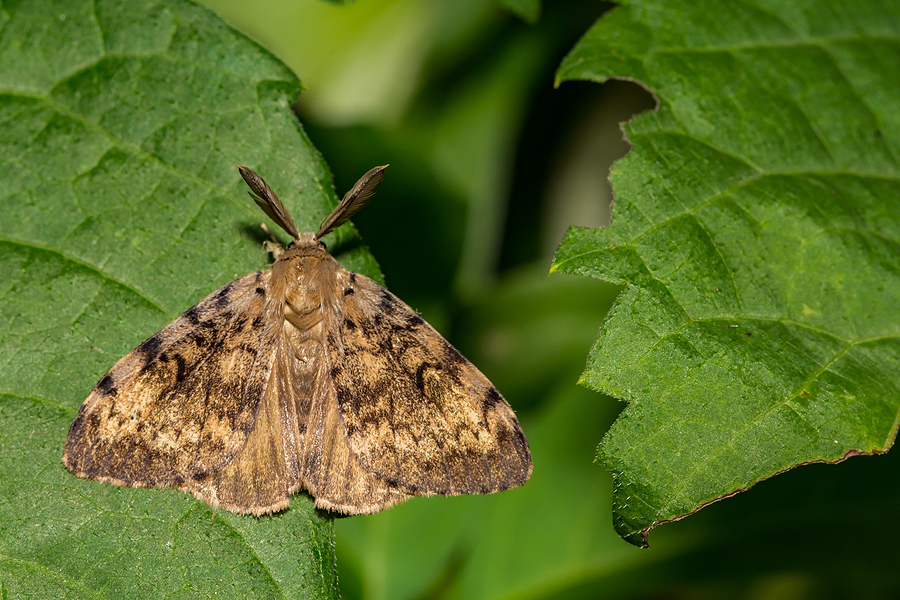
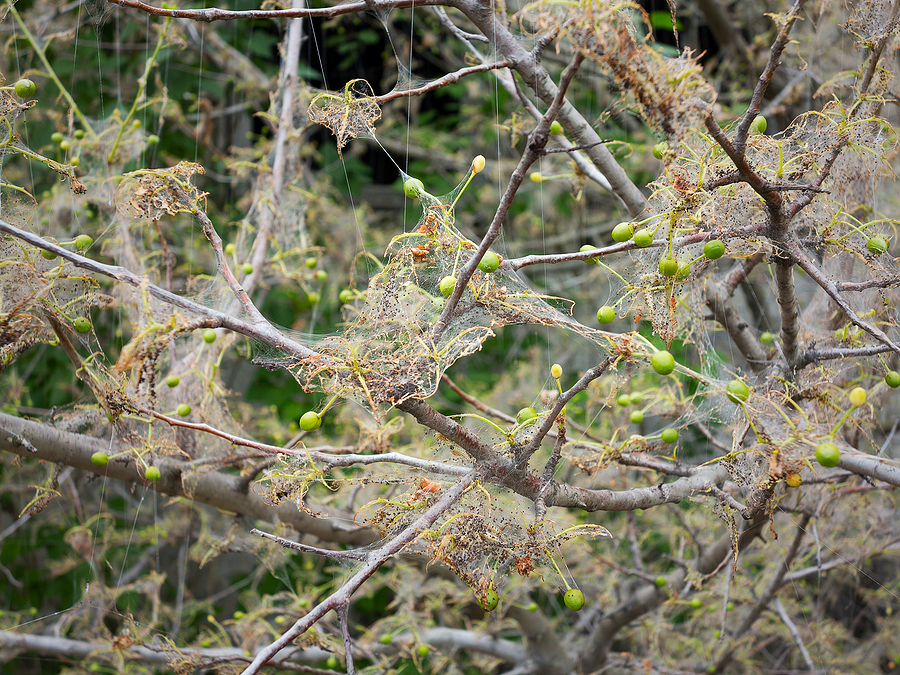
Gypsy moths and tent caterpillars are notorious for defoliating trees. When caterpillar populations explode, they can strip a tree of its leaves in a matter of days. Repeated defoliation weakens the tree over time, making it highly susceptible to secondary infections or fatal decline.
Fungi and Diseases: Beyond Insect Pests
Pests often open the door for severe plant diseases. When insects bore into wood or chew on leaves, they create wounds where harmful fungi can enter. In Indiana, diseases like Hypoxylon canker or root rot frequently finish the job that insects started, leading to rapid tree death.
Signs Your Tree Has Pests
Diagnosing a pest problem requires a careful eye. Look for these common symptoms to catch an infestation before it spirals out of control.
Visible Damage: Holes, Tunnels, and Discoloration
Inspect the trunk and major branches closely. EAB infestations often leave D-shaped exit holes, while bark beetles leave tiny round holes. You might also spot vertical bark splits or meandering, S-shaped tunnels underneath the bark layers.
Leaf Changes: Wilting, Yellowing, or Stunted Growth
Leaves are excellent indicators of tree health. If a tree’s canopy shows crown thinning, premature yellowing, or sudden wilting during the summer, it is struggling to pull nutrients from its root system. Branches at the very top of the crown dying first is a classic sign of an ash borer attack.
Bark Anomalies: Peeling, Cracks, or Sawdust
When insects bore into wood, they push out fine, powdery sawdust known as frass. Finding small piles of frass at the base of the tree or caught in bark crevices is a major red flag. Bark that is actively peeling or cracking away from the trunk also indicates dead tissue beneath.
Presence of Insects or Their Larvae
Sometimes, the pests show themselves. You may spot caterpillars nesting in branch crotches, adult beetles crawling along the trunk, or clusters of aphids on the undersides of leaves. Seeing the pests directly means an infestation is actively underway.
The Dangers of Neglecting Infested Trees
Leaving a dying, infested tree in your yard is a gamble. The consequences extend far beyond a single dead plant.
Spreading Infestations to Healthy Trees
Insects do not stay confined to one host. Once a tree becomes too crowded or dies entirely, pests will migrate to the nearest healthy trees on your property. Removing a highly infested tree promptly acts as a firewall, protecting the rest of your landscape.
Structural Weakness and Safety Hazards
As borers and fungi eat away at wood fibers, the tree loses its structural integrity. Dead branches can snap and fall without warning. A hollowed-out trunk is incredibly vulnerable to high winds, making it a severe safety hazard for your family and neighbors.
Property Damage Risks
A falling tree or heavy branch can easily crush roofs, shatter windows, or destroy fences. The cost of repairing severe property damage far exceeds the price of proactive tree management.
Economic Impact on Your Landscape
Mature trees add significant value to your property. Losing a large portion of your canopy due to a spreading pest infestation can lower your property value and curb appeal, not to mention the steep costs associated with emergency storm damage repairs.
Why DIY Tree Removal is Not Recommended
When a tree is dead or dying, grabbing a chainsaw might seem like a quick fix. However, taking down a compromised tree is highly unpredictable and dangerous.
Risks to Personal Safety
Infested trees are structurally unstable. They do not behave like healthy wood when cut. Branches can snap unexpectedly, and trunks can barber-chair (split vertically) during a cut, leading to catastrophic injuries.
Incomplete Removal and Re-infestation
Cutting a tree down is only half the battle. If you leave the stump or fail to dispose of the debris correctly, the pests will simply emerge from the leftover wood and infect surrounding plants.
Lack of Specialized Equipment and Expertise
Safely dismantling a large tree in a residential area requires bucket trucks, rigging gear, and heavy-duty chippers. A professional tree removal service knows how to calculate weight distribution and use ropes to lower heavy limbs safely without damaging the property below.
Environmental and Legal Considerations
Indianapolis and the state of Indiana have strict regulations regarding tree removal and wood disposal. For example, moving infested firewood is highly restricted to prevent the spread of pests like the Emerald Ash Borer. Professionals understand local permit requirements and adhere to safe, legal disposal methods.
The Professional Approach to Pest-Infested Tree Removal
Hiring a certified tree service ensures the problem is handled safely, legally, and completely.
Expert Assessment and Diagnosis
A professional arborist will properly identify the pest involved. They can determine whether the tree is salvageable through treatments or if immediate removal is necessary to protect public safety.
Safe and Efficient Removal Techniques
Trained crews use industry-standard rigging and cutting techniques to take down the tree section by section. This controlled process eliminates the risk to your home, power lines, and landscaping.
Proper Disposal to Prevent Spread
Professionals will chip the brush and transport the infested wood to designated disposal sites. This ensures that the insects or fungi are destroyed and cannot migrate to new locations.
Preventing Future Infestations
After removal, an expert can provide guidance on protecting your remaining trees. They may suggest preventative soil injections, trunk sprays, or planting disease-resistant tree varieties in the future.
Frequently Asked Questions (FAQs)
How do I know if my tree has pests?
Look for canopy dieback, yellowing leaves, small holes in the bark, peeling bark, or sawdust-like frass near the base of the trunk.
Can I save a pest-infested tree?
In some cases, early-stage infestations can be treated with professional insecticides or fungicides. However, if the tree has lost more than 30% to 50% of its canopy, removal is usually the only viable option.
What does professional tree removal involve?
It involves an initial assessment, securing the work zone, carefully dismantling the tree using ropes and specialized equipment, grinding the stump, and safely hauling away the infested debris.
How much does pest-infested tree removal cost?
Costs vary based on the tree’s size, location, and the complexity of the removal. Hazardous trees that are structurally compromised often require specialized equipment, which can factor into the final price.
How can I protect my other trees?
Keep your trees healthy with proper watering and mulching. Have a professional arborist inspect your property annually and apply preventative treatments if invasive pests are active in your area.
Protect Your Landscape from Tree Pests
A pest infestation isn’t just a localized nuisance; it’s a severe threat to the health and safety of your entire property. Recognizing the signs of an attack early on gives you the best chance to mitigate the damage. When a tree is too far gone, trusting the removal to experts is the only way to ensure the job is done safely and responsibly.
If you suspect you have a sick or dying tree on your property, do not wait until the next major storm hits. Protect your home and landscape today. Request a free quote for professional tree removal in Indianapolis, Indiana today.
Related Post: Common Indiana Tree Pests and How to Manage Them Safely