Pine trees bring year-round color and life to Indiana landscapes. Their vibrant green foliage provides a beautiful contrast to our snowy winters and offers excellent privacy and windbreaks. Seeing your cherished evergreens suddenly drop their needles can be deeply concerning.
Needle loss often serves as an early warning sign that a tree is under stress. Sometimes, this shedding is a harmless, natural process. Other times, it points to a serious underlying issue requiring immediate attention. Recognizing the difference early on can save your tree and protect the surrounding landscape.
This guide explores the various culprits behind pine needle loss in Indiana. We will examine natural cycles, environmental stressors, pests, and diseases so you can accurately identify what is happening to your trees.
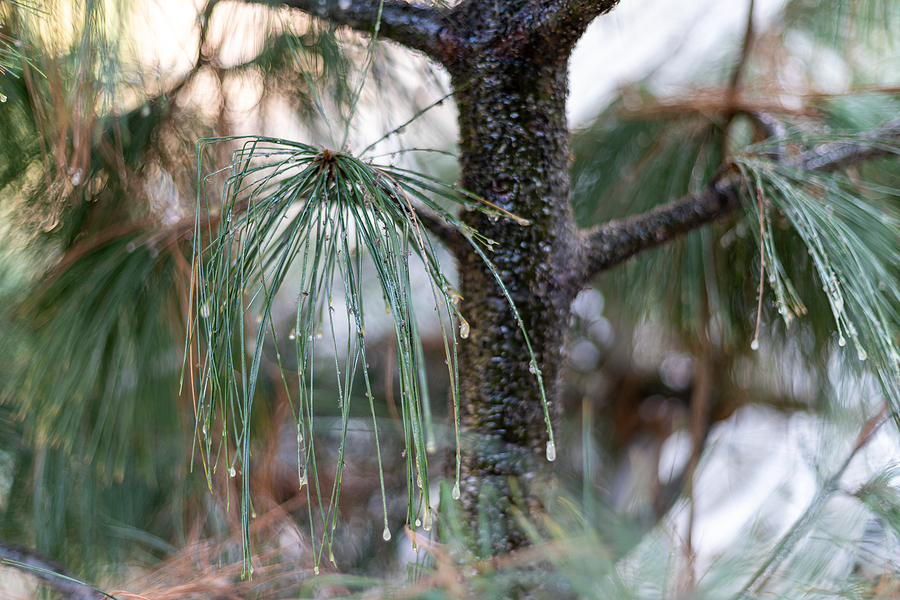
The Natural Cycle of Pine Needles
Evergreens do not keep the same needles forever. Like deciduous trees, pines shed old foliage to make room for new growth.
How long do pine needles last?
A single pine needle typically lives for two to five years, depending on the exact species of the tree. White pines generally hold their needles for about two to three years. Other varieties, like the Austrian pine, might keep theirs for up to four years. Once a needle reaches the end of its natural lifespan, the tree sheds it.
What is normal needle shedding?
Natural shedding usually happens in late summer or early fall. You will notice the innermost needles closest to the trunk turning yellow or brown before dropping to the ground. The needles at the tips of the branches should remain green and healthy. If the shedding is confined to the older, inner foliage, your tree is simply going through its normal seasonal cycle.
Common Environmental Stressors
Trees are highly sensitive to their surroundings. Indiana’s changing weather patterns and distinct soil types can place significant stress on your pines.
Drought and water stress
Extended dry spells deprive pine roots of essential moisture. Without enough water, needles will turn yellow or brown and drop prematurely. Young or newly planted pines are especially vulnerable to drought and require supplemental watering during dry summer months.
Extreme temperature fluctuations
Rapid temperature drops and harsh winter winds pull moisture from pine needles faster than the frozen roots can replace it. This condition, often called winter burn, causes the tips of the needles to turn brown by early spring.
Soil compaction and poor drainage
Indiana is known for its heavy clay soils. Clay retains water tightly and drains very slowly. If pine trees are planted in low-lying areas, excess water can suffocate the root system. As the roots drown, they fail to deliver oxygen and nutrients to the canopy, resulting in widespread needle drop.
Pests That Target Indiana Pines
Several insects feed on pine trees, damaging the foliage and causing the needles to fall away.
Pine needle scale
These tiny pests appear as small, whitish bumps measuring about 1/10 of an inch long with a slight yellow spot. As they multiply, they suck the sap out of the needles. A heavy infestation of pine needle scale will cause entire needles to turn yellow or brown before dropping off completely.
Zimmerman pine moth
The Zimmerman pine moth has a one-year life cycle, surviving the winter as a young caterpillar hiding under bark scales. As the caterpillars bore into the tree, they create cankers that cut off the flow of nutrients. This damage causes the tops of affected trees to turn yellow and eventually die.
Sawflies
Sawfly larvae look like small caterpillars and feed in large, tightly packed groups. Spring sawfly species typically consume old pine needles, while summer species eat the current year’s growth. They can rapidly strip a branch bare, severely weakening the tree and causing noticeable defoliation.
Aphids
Pine aphids extract vital fluids from the tree. Heavy aphid feeding produces needle discoloration, physical deformation, and premature needle drop. These pests also secrete a sticky substance called honeydew, which encourages the growth of black sooty mold on the remaining foliage.
Fungal Diseases Affecting Pine Trees
Fungal infections thrive in wet, humid conditions. Indiana’s spring weather often creates the perfect environment for these diseases to spread.
Diplodia tip blight
Diplodia tip blight primarily affects older, mature pines. This aggressive fungus targets the new growth, shriveling and killing the buds and tips of the branches. Over time, the disease moves down the branch, resulting in significant dieback.
Dothistroma needle blight
Unlike tip blight, Dothistroma needle blight creates distinct reddish-brown bands that completely girdle the needle. The tip of the needle eventually turns tan. By the end of the growing season, the entire infected needle will turn brown and drop from the branch.
Pine wilt disease
Pine wilt is a devastating disease caused by microscopic nematodes spread by the pine sawyer beetle. The disease spreads incredibly rapidly inside the tree. Within just a few short weeks, the entire pine tree may show symptoms of severe wilt and total browning, typically leading to the tree’s death.
Other Factors Contributing to Needle Loss
Sometimes, human activity or soil composition is the root cause of declining evergreen health.
Nutrient deficiencies
Pines require specific soil conditions to thrive. If the soil pH is too high, the tree may struggle to absorb iron, leading to iron chlorosis. This deficiency causes the needles to turn a pale yellow green while the veins remain darker.
Herbicide damage
Chemicals used to kill broadleaf weeds in nearby lawns can easily drift on the wind or wash into the tree’s root zone. Exposure to these herbicides causes needles to twist, curl, or drop entirely.
Root damage
Construction projects, heavy machinery, or even aggressive lawn mowing can severely damage a pine tree’s root system. Injured roots cannot support the heavy canopy above, causing the tree to shed needles in an attempt to conserve energy and water.
When to Call a Professional Arborist
Attempting to diagnose a sick tree on your own can be challenging. Many pests, diseases, and environmental stressors share similar symptoms. If you notice needles turning brown at the tips of the branches, rapid overall yellowing, or severe dieback in the upper canopy, it is time to consult an expert. An arborist can accurately identify the problem and recommend a safe, effective treatment plan, while a reputable tree service company can remove a dead or dying pine tree.
Frequently Asked Questions
Can pine needles grow back?
Needles that have turned completely brown and fallen off will not grow back on that specific part of the branch. However, if the tree is healthy and the buds are still intact, new needles will emerge from the tips of the branches during the next growing season.
How can I prevent pine needle loss?
Proper watering during dry spells, applying a layer of organic mulch to retain soil moisture, and ensuring adequate drainage are the best preventative measures. Regularly inspecting your trees for early signs of pests or fungal spots will also help you stop problems before they cause severe needle drop.
Is it normal for pine trees to lose needles in the fall?
Yes. It is entirely normal for pine trees to drop their oldest, innermost needles in late summer or autumn. As long as the needles at the ends of the branches stay green and healthy, the tree is fine.
What are the signs of a dying pine tree?
Warning signs include widespread browning starting from the top down, bark peeling away from the trunk, significant sap weeping from large holes, and brittle branches that snap easily when bent.
Protecting Your Indiana Pines
Pine needle loss can stem from a variety of sources, ranging from natural seasonal shedding to aggressive pests and lethal fungal blights. Catching these issues early greatly improves the chances of saving your evergreens. By paying close attention to your tree’s watering needs and monitoring the foliage for abnormalities, you can keep your landscape vibrant and healthy.
For expert routine tree service and tree removal in Indianapolis, request a free estimate today.
Related Post: Why Do Trees Shed Their Leaves? An Exploration of Seasonal Leaf Loss