A tree that looks perfectly healthy on the outside can be quietly developing a serious structural problem at its core. Tree crown splitting is one of those issues—easy to miss until a storm makes the decision for you. Knowing what to look for, when to act, and what a professional arborist can do about it could be the difference between preserving a tree you’ve loved for decades and losing it overnight.
This guide covers everything Indianapolis homeowners need to know about tree crown splitting: the warning signs, the benefits of treatment, and the best time of year to get it done.
What Is Tree Crown Splitting?
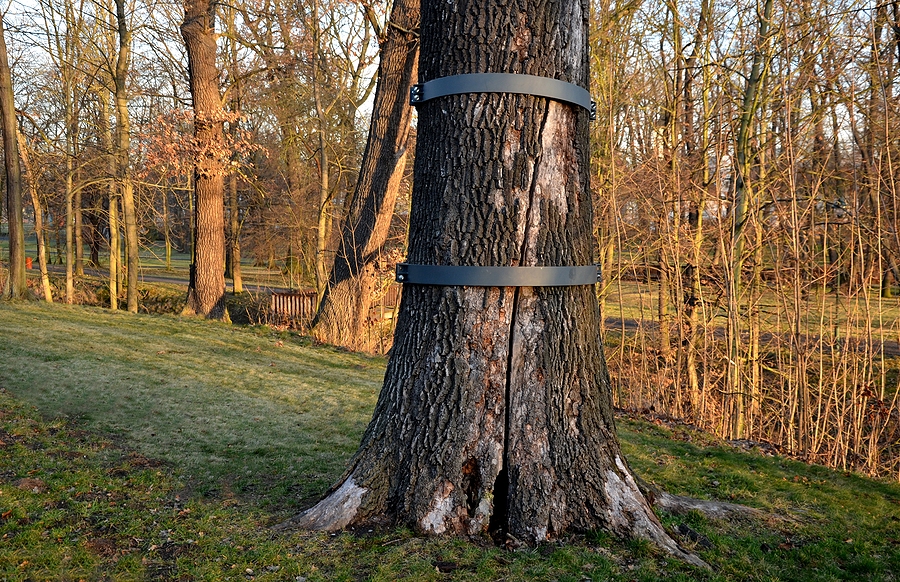
Tree crown splitting refers to the separation or fracturing that occurs where two or more major stems meet at the crown of a tree. This isn’t just cosmetic damage. It signals a deeper structural weakness that, left unaddressed, can lead to catastrophic failure—especially during Indiana’s heavy storms and ice events.
The issue typically originates from the way a tree grows its upper structure. When two stems develop at roughly equal size from a single junction, they compete for dominance rather than fusing into one strong trunk. Over time, that junction becomes a weak point.
Recognizing the Signs Your Tree Needs Crown Splitting Treatment
Weak V-Shaped Crotches
The angle between two co-dominant stems tells you a lot about structural risk. A broad, U-shaped crotch generally means strong, well-connected wood fibers. A narrow, V-shaped crotch is a red flag. The sharper the angle, the less connective wood tissue holds the stems together—and the greater the chance of a split during high winds or heavy snow.
Co-Dominant Stems
Co-dominant stems are two or more main trunks of roughly equal diameter growing from the same point. Because neither stem clearly dominates, the tree can’t form the strong collar of wood that typically anchors a branch to a trunk. This is the most common structural defect found in mature trees.
Included Bark
When co-dominant stems grow tightly together, bark gets trapped—or “included”—between them. Instead of strong wood fibers bonding the two stems, you get compressed bark tissue, which is far weaker. Included bark acts like a wedge, slowly pushing the stems apart from the inside. A visible seam or ridge of bark running down into the crotch of two stems is a clear indicator this problem is present.
Visible Cracks or Splitting
An open fissure or crack at a major stem union is an urgent warning sign. At that stage, the structural integrity of the tree has already been compromised. The sooner a certified arborist intervenes, the better the chances of saving the tree.
The Benefits of Professional Crown Splitting Treatment
Stronger Structural Integrity
Cabling and bracing—the two primary tools used to treat crown splitting—physically reinforce weak unions. High-tensile cables installed in the upper canopy redistribute the load across a wider portion of the tree. Threaded steel bracing rods, inserted directly through splitting trunks, bolt the structure together at the point of failure. Together, these systems significantly reduce the risk of stem separation.
Protection Against Storm Damage
Indianapolis sees its share of severe thunderstorms, straight-line winds, and winter ice accumulation. Trees with co-dominant stems and included bark are disproportionately vulnerable to those conditions. Professional crown splitting treatment reduces that risk—and the potential for falling limbs to damage your home, vehicle, or utility lines.
Long-Term Tree Health and Aesthetics
Treating a splitting crown doesn’t just add structural stability—it extends the functional life of your tree. A well-supported tree continues to grow, provide shade, and contribute to your property’s value for years to come. Without intervention, many structurally compromised trees eventually require full removal, which is both more expensive and permanent.
When Is the Best Time for Crown Splitting Treatment?
Seasonal Timing
Late fall through early spring—roughly November through March—is generally the optimal window for structural tree work in Indiana. During this dormant period, trees experience less physiological stress from pruning or hardware installation. Wounds heal more effectively before the surge of spring growth, and pest activity is at its lowest.
Avoid scheduling this work during active summer growth or early spring when sap is flowing heavily, as both conditions increase the risk of stress and disease entry.
Does Tree Species Affect Timing?
Yes. Slow-growing species like oak and maple can typically go two to three years between maintenance cycles, while faster-growing species may need annual attention. A certified arborist can assess your specific tree and recommend a schedule that fits its growth rate and current structural condition.
Emergency vs. Preventative Treatment
Not every crown splitting situation allows for careful scheduling. If you notice a sudden crack forming at a stem union—particularly after a storm—that warrants an emergency assessment. Preventative treatment, identified during a routine inspection, gives you more flexibility and typically results in better outcomes.
What to Expect from the Crown Splitting Process
Arborist Assessment
Every proper crown splitting treatment begins with a thorough evaluation by an ISA-certified arborist. This includes checking canopy density, trunk soundness, root plate stability, and the severity of any included bark or stem defects. The arborist determines whether structural support is viable or whether removal is the more responsible path forward.
Cabling and Bracing Techniques
Based on the assessment, the arborist designs a tailored support system. Steel cables are typically installed at about two-thirds of the distance between the weak union and the branch tips—high enough to effectively redistribute canopy load. For trees where drilling into the wood is a concern, dynamic synthetic rope systems offer a less invasive alternative that still allows natural movement while building the tree’s own reaction wood over time.
Bracing rods are used for more acute fractures and open splits, physically bolting the separating sections together at the union itself.
Post-Procedure Care and Monitoring
Structural tree support systems require ongoing attention. Hardware should be inspected annually or every two years to ensure cables haven’t become too tight as the tree grows and that rods aren’t causing bark damage. Keeping the tree healthy through proper watering, mulching, and fertilization also helps the wood around the hardware anchors remain strong.
DIY vs. Professional Tree Crown Splitting Treatment
This is not a DIY project. Correctly installing structural tree hardware requires a working knowledge of tree biology, physics, and load distribution. Incorrect cable angles, improper placement, or over-tensioning can choke bark tissue, accelerate rot, or create new snap points that make the tree more dangerous than it was before.
Professional installations follow ANSI A300 structural standards—the national benchmark for safe arboricultural practice. An ISA-certified arborist has both the training and the equipment to assess, design, and install a system that actually works.
Frequently Asked Questions
How much does tree crown splitting treatment cost?
Costs vary based on tree size, the number of cables or rods required, and site accessibility. A single-cable installation on a medium-sized tree typically runs between $200 and $600. Multi-point canopy systems for large or historic trees can range from $600 to $1,500. Comprehensive cabling and bracing systems for trees overhanging structures may reach $1,000 to $2,500 or more.
How long does a tree take to recover after crown splitting treatment?
There’s no extended “downtime” following structural support installation. The tree continues growing normally. A well-installed steel or synthetic cable system can remain effective for 10 to 20 years with proper annual inspection and maintenance.
Can all trees benefit from crown splitting treatment?
No. Structural support is appropriate for trees that are structurally compromised but otherwise healthy, with sound wood and a stable root system. Trees with advanced internal rot, severe fungal decay, or a failing root plate are generally not good candidates—in those cases, removal is typically the safer and more responsible option. An ISA-certified arborist can determine which category your tree falls into.
Don’t Wait Until a Storm Decides for You
A splitting crown doesn’t announce itself with much warning. It develops slowly—season after season—until one severe weather event forces the issue. Catching structural defects early, treating them correctly, and maintaining the system over time is the most effective way to protect both your tree and your property.
If you’re in Indianapolis and concerned about a tree on your property, Timberland Tree Care is ready to help. Our team handles everything from routine pruning to emergency tree removal. Request your free quote today.
Related Posts:
Professional Tree Guying and Cabling: A Comprehensive Guide for Homeowners
Why You Should Prune Trees: Essential Care for a Healthy Landscape
Understanding the Science of Pruning: When and Where to Cut for Maximum Health Benefits