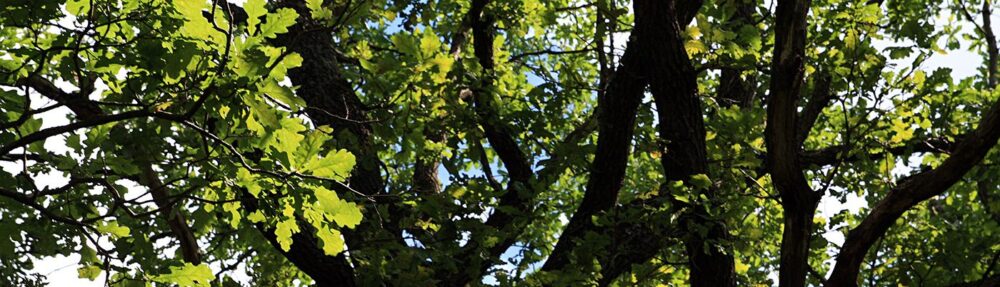
Spotting a blush of red or a wash of gold on your trees might feel like a welcome preview of fall—but if it’s happening in July or August, it’s rarely a good sign. Premature tree color change is one of the most visible indicators that something is wrong beneath the surface.
Healthy trees follow a predictable seasonal rhythm. As daylight shortens and temperatures drop in autumn, chlorophyll production slows and the underlying pigments—yellows, reds, and browns—take over. When that process happens weeks or months early, it almost always points to stress, disease, or damage that deserves your attention.
This guide breaks down the most common causes of premature tree color change, what warning signs to watch for, and when it’s time to call a professional.
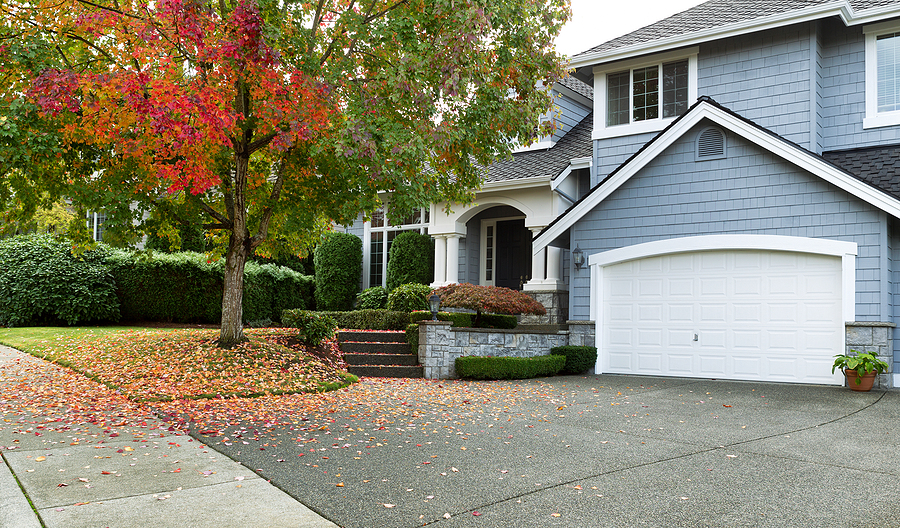
Common Causes of Early Tree Discoloration
Early leaf color change doesn’t have one single cause. It can stem from a range of issues, including:
- Environmental stress (drought, heat, or excessive rainfall)
- Disease and pest infestations
- Root and soil problems
- Nutrient deficiencies
In many cases, multiple factors are working together. A drought-stressed tree, for example, is far more vulnerable to insect attack and disease—creating a cycle that accelerates decline. Knowing which issue you’re dealing with is the first step toward protecting your trees.
Environmental Stress Factors
Drought
When trees don’t get enough water, chlorophyll production drops and photosynthesis slows—triggering premature yellowing or browning. Drought-stressed trees often show wilting, early leaf drop, and in severe cases, canopy dieback.
During extended dry periods, trees conserve energy by shedding leaves early. This is a survival response, but it weakens the tree over time and makes it more susceptible to pests and disease.
If your trees are showing signs of drought stress, deep watering once a week (focusing on the drip line, not the trunk) can help them recover. Mulching around the root zone—about two to three inches deep—helps retain moisture between watering sessions.
Excessive Heat
Prolonged periods of high heat interfere with how trees move water from their roots to their leaves. When this process breaks down, chlorophyll degrades and yellow pigments become visible. Heat stress typically shows up on the sun-exposed side of the tree first, with scorched or brown edges at the tips of leaves.
Trees may wilt during the afternoon but recover overnight. If symptoms worsen over consecutive hot days and don’t improve with cooler temperatures, heat stress is a likely culprit.
Overwatering and Heavy Rainfall
Too much water is just as damaging as too little. Waterlogged soil starves tree roots of oxygen, weakening them and triggering early color change. If your area has experienced heavy rain or your yard has poor drainage, yellowing leaves and premature leaf drop may follow.
Avoid overwatering, and if standing water regularly collects near your trees, consult an arborist about drainage solutions.
Disease and Pest Problems
Common Tree Diseases
Several fungal diseases commonly cause premature leaf discoloration:
- Leaf spot diseases cause yellowing around infected areas, eventually leading to early leaf drop. These become more aggressive when trees are already heat-stressed.
- Anthracnose is a fungal disease that frequently affects sycamores, oaks, and maples, producing irregular patterns of yellowing and browning.
- Armillaria root rot causes yellowing and undersized leaves, often accompanied by poor canopy growth and dead upper branches.
- Root rot from excess moisture typically causes yellowing that starts from the inside of the canopy and spreads outward.
According to Tchukki Andersen, Board Certified Master Arborist and staff arborist with the Tree Care Industry Association: “Premature color change can be an indication that a tree isn’t vigorous enough to withstand insects and disease organisms that may attack it.”
A critical clue: if only one or two limbs are showing early color change, disease affecting only those branches is likely. If the entire tree is involved, root-related stress is the more probable cause.
Signs of Pest Damage
Heat-stressed trees attract pests that accelerate leaf yellowing. Common culprits include:
- Bagworms, which feed on foliage inside protective cases and can cause widespread defoliation if left untreated
- Scale insects, which attach to branches and leaves, sucking plant juices and causing stunted growth and premature leaf drop
- Spider mites, which cause stippling and yellowing that can be mistaken for drought stress
If you notice yellowing alongside visible insects, webbing, unusual spots, or growths on the bark, it’s time to get a professional diagnosis.
Root and Soil Issues
Compacted Soil
Compacted soil prevents roots from accessing water, oxygen, and nutrients—even when those resources are present in the surrounding environment. Trees planted in high-traffic areas, near driveways, or in clay-heavy soil are especially vulnerable.
When roots can’t function properly, the stress manifests above ground as premature color change, especially when the entire tree is affected.
Poor Drainage and Root Damage
Soil that holds water too long creates anaerobic conditions that kill fine feeder roots—the very roots responsible for nutrient uptake. Construction activities, improper planting depth, and natural soil compaction can all contribute to root-related stress.
If root damage is the issue, recovery is possible, but it often takes several growing seasons with consistent care and management.
Nutrient Deficiencies
Nitrogen, Iron, and Magnesium
Nutrient deficiencies become most visible during periods of stress. Here’s how to tell them apart:
- Iron deficiency (chlorosis): Yellowing between leaf veins while the veins themselves remain green. This interveinal chlorosis is especially common in alkaline soils where iron is chemically unavailable to trees even when it’s physically present.
- Nitrogen deficiency: A uniform yellowing that affects older, lower leaves first—without the distinctive green veining pattern of iron chlorosis.
- Magnesium deficiency: Marginal yellowing on older leaves, while newer growth retains its normal color.
- Potassium deficiency: Yellowing and browning around leaf edges, often accompanied by stunted growth and increased vulnerability to heat stress.
If you suspect a nutrient deficiency, a soil test can confirm exactly what’s missing and guide appropriate treatment.
When to Call a Professional
Some degree of leaf yellowing is normal, particularly in late summer. But certain warning signs indicate a more serious underlying problem that warrants professional assessment:
- Yellowing affects more than 25% of the canopy
- Color change progresses rapidly over just a few days
- Yellowing is accompanied by branch dieback, bark damage, or fungal growth
- Multiple trees on your property are affected
- Symptoms don’t improve after two to three weeks of adjusted watering
Early intervention matters. Once chlorophyll breaks down, affected leaves won’t recover—but addressing the root cause promptly can protect new growth and prevent further decline.
Have a sick or dying tree on your property? Don’t wait. The team at Timberland Tree Care in Indianapolis can assess your tree’s condition and help you determine the best course of action. Get a free tree removal estimate today.
Frequently Asked Questions
Can premature color change be reversed?
Leaves that have already changed color cannot return to green—once chlorophyll breaks down, that process is irreversible. However, correcting the underlying cause (whether it’s watering, soil conditions, or pest treatment) can protect new growth and help the tree stabilize.
Is early leaf drop dangerous for the tree?
It depends on the cause and severity. Occasional early leaf drop during drought or heat is a survival mechanism, but repeated or widespread early drop weakens the tree over time, making it more vulnerable to pests, disease, and winter damage.
Should I remove a tree that’s showing premature color change?
Not necessarily—but it depends on the diagnosis. Some trees recover fully with the right treatment, while others with severe root rot or structural damage may pose a safety risk and require removal. A certified arborist can give you a professional assessment and help you make an informed decision.
Take Action Before the Problem Gets Worse
Premature tree color change is your tree’s way of telling you something is wrong. The causes range from something as straightforward as inconsistent watering to more serious issues like root rot or pest infestations—and the sooner you identify the problem, the better the chances of recovery.
If your Indianapolis trees are showing early color change, wilting, or unusual leaf drop, contact Timberland Tree Care for a professional tree removal assessment. Get your free estimate today.
Related Posts:
Tree Maintenance: Seasonal Tips for Keeping Your Trees Healthy
Why Do Trees Shed Their Leaves? An Exploration of Seasonal Leaf Loss
Why are My Tree Leaves Brown and Dead at the Edges?