From Roots to Leaves: A Beginner’s Guide to Tree Anatomy

Welcome to the fascinating world of tree anatomy! Trees are not just towering structures that provide shade and add beauty to our landscapes; beneath the surface, there’s a complex system working diligently to support life.

This blog post aims to shed light on the inner workings of these magnificent organisms, from their grounding roots to their lofty leaves. We’ll also delve into the importance of proper tree care, with a special focus on the ‘critical root zone’. Whether you’re a gardener seeking to better understand your leafy companions, or a nature enthusiast intrigued by the natural world, this comprehensive guide is for you. Let’s embark on this enlightening journey to explore the intricate and awe-inspiring world of tree anatomy together.
Tree Removal Service Near Me Indianapolis
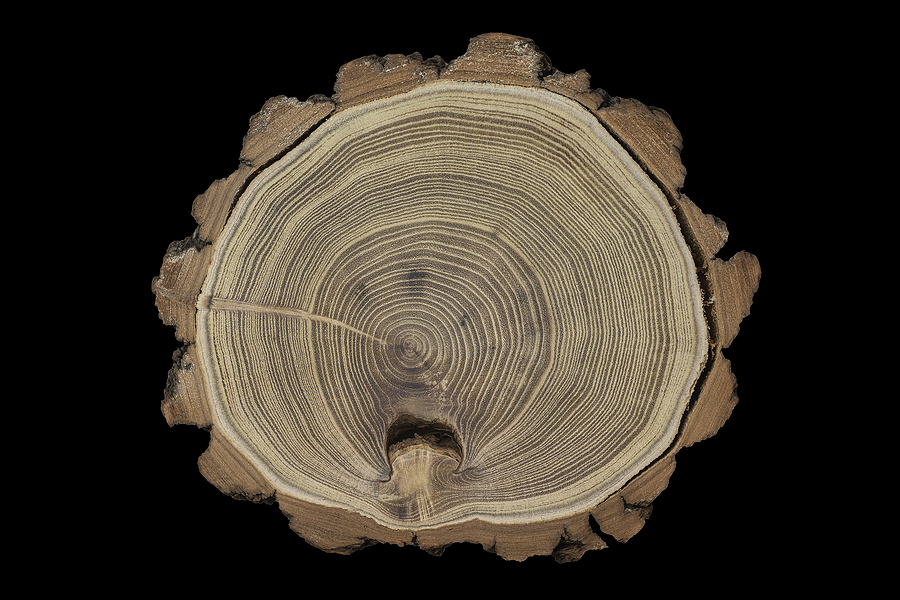
Take a Look at These Tree Rings!

Understanding Tree Anatomy: A Basic Overview

The anatomy of a tree is composed of three main parts—roots, trunks, rings, leaves, and even the critical root zone. Let’s take a closer look at each one…

Tree Roots

A tree’s roots are its foundation, anchoring it to the ground and providing access to essential nutrients and water. In addition to their primary purpose, roots also store carbohydrates and provide the tree with strength and stability. The average root system can grow up to four times as wide as the canopy of a particular tree species.

Critical Root Zone (CRZ)

Proper tree care is essential for optimal health and growth. Of special importance is the critical root zone (CRZ), which extends from the trunk to one-third of its height and two-thirds of its width. It’s in this area where roots absorb the most water and nutrients, so it’s important to take extra care of the CRZ.

Tree Trunk

The trunk is responsible for transporting nutrients between the leaves and the roots. It is composed of three distinct layers—the bark, cambium, and heartwood. The bark is the outermost layer that protects the tree from external threats like extreme temperatures and pests. The cambium lies directly beneath the bark and functions to produce new cells, while the innermost layer of wood (heartwood) helps to support the tree’s structure.

Tree Rings

Tree rings are a fascinating phenomenon of nature. They can be used to tell significant information about the past environment the tree lived in, such as the amount of rainfall and temperature changes. By counting back from the current time known as ‘kerning’, tree ring analysts can gain insight on how an area where a tree is situated has changed over long periods. Based on these characteristics, you can reconstruct past climate conditions. Additionally, estimated ages of trees are listed in tree rings – they indicate when trees transition from one growth cycle to the next. This process follows similar methods used in traditional radiocarbon dating.

Leaves

The leaves are a tree’s most visible feature. They are responsible for photosynthesis, which is an essential process that helps a tree to create its own food (sugars) from sunlight and CO2. In addition, leaves provide the oxygen we need to survive, as well as act as miniature filters that help to regulate air quality by removing pollutants from the atmosphere.

Tree Care Essentials

Mulching is one of the best ways to protect and nourish a tree’s root system. Mulch acts as an insulator, helping to prevent soil erosion and retain moisture. It also provides vital nutrients that promote healthy root development. Moreover, mulch helps to reduce competition from weeds and provides a buffer against extreme temperatures.

In addition, proper irrigation is essential for keeping trees healthy. Over-watering can lead to root rot and disease, so it’s important to be mindful of how much water your tree receives. Also keep in mind that different species have varying needs when it comes to watering—some require more frequent watering than others, so be sure to research the needs of your particular tree.

Finally, if you notice any signs of distress on the leaves or branches (e.g., discoloration, wilting) it’s important to contact a licensed tree service company as soon as possible. Professional tree care experts can help identify and resolve any issues before they become too severe.

In Conclusion

Understanding tree anatomy is the key to providing essential care and maintenance for your leafy companions. This blog post has provided a comprehensive overview of tree anatomy, with a special emphasis on the importance of proper care in the critical root zone. We hope this beginner’s guide will inspire you to appreciate the majestic beauty of trees and take steps to nurture them with love and respect.

Are you in need of expert tree services for your landscaping trees? Contact Timberland Tree Care at 317-348-0811 for licensed and insured tree service in Indianapolis, Indiana. We serve residential and commercial customers all throughout the surrounding Indy areas.

Related Posts:

Do We Have an Indiana State Tree?
The Home of the World’s Biggest Sycamore Tree Stump Will Surprise You
Identifying Common Trees of Indiana: A Beginner’s Guide
Tips for Protecting Your Trees From Wind Damage

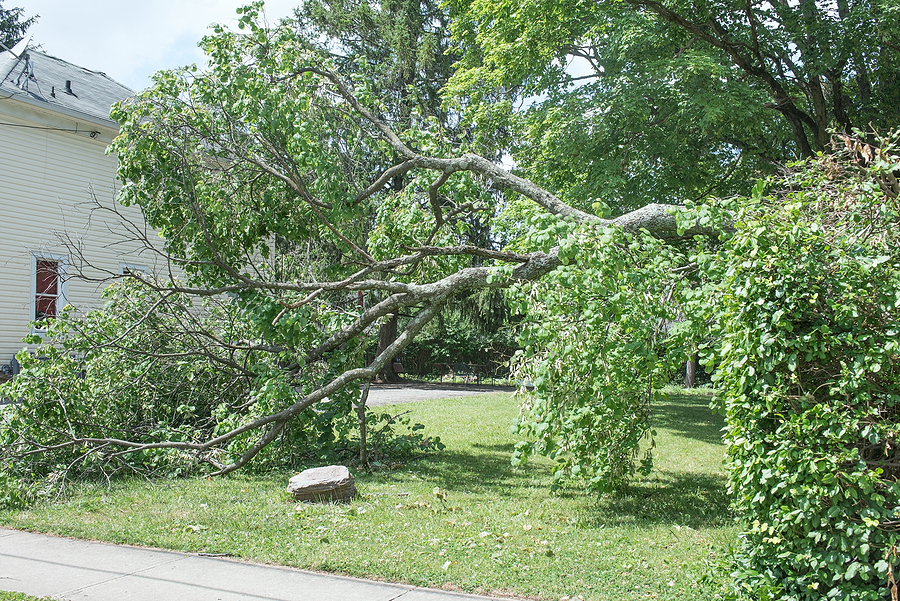
Wind damage can be a serious threat to the health and longevity of your trees. Strong winds, especially in storm-prone areas, can break branches, uproot entire trees, and cause significant damage to your property.

But fear not, there are proactive steps you can take to shield your trees from these destructive forces. This blog will guide you through some key tree protection strategies, focusing on tree care practices and specific techniques like tree cabling and bracing. Let’s dive in and learn how you can fortify your trees against the might of the wind.

Call 317-348-0811 for Indianapolis Tree Trimming and Tree Removal

How Strong Winds Can Threaten Tree Health and Safety

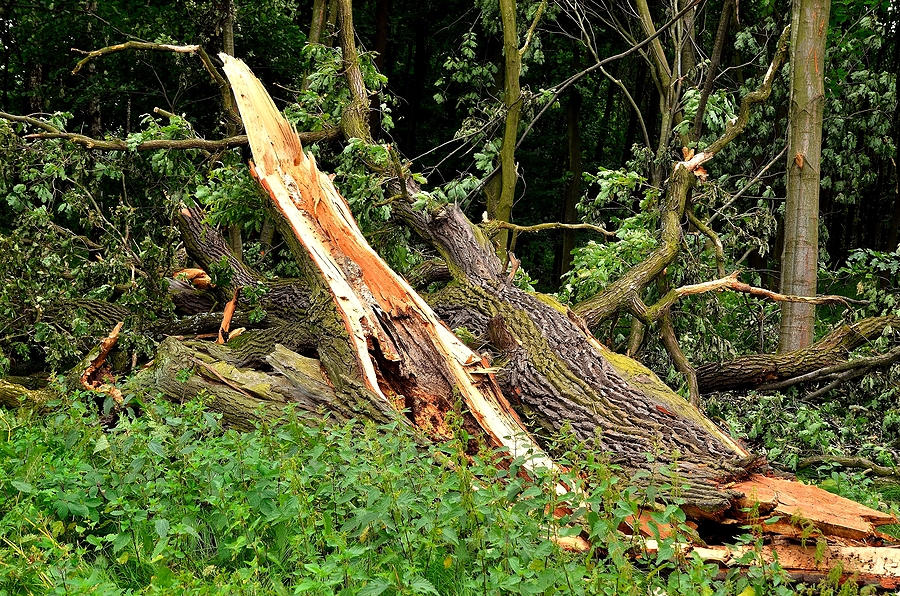
Strong winds caused by windstorms can have serious consequences on the health and safety of trees. The destructive force of these winds can cause bark splitting, tree uprooting, broken branches, and other forms of bark damages that can impact the overall health of a tree. Even trees that are healthy and well-maintained can be threatened by strong winds, as the force can affect the root system and structural integrity of the tree. It’s important to take preventative measures such as trimming and pruning to ensure that trees are strong enough to withstand these powerful winds. As tree owners, we must be vigilant and take the necessary precautions to protect these valuable assets from the dangers of strong winds.

How to Protect Trees Against Harsh Winds and Storms

Pruning and Maintenance

The most effective way to protect your trees from wind damage is to ensure they are healthy and structurally sound. Regular pruning and maintenance are essential for keeping your trees in top condition, so make sure you keep up with this important task. Strategically removing dead wood, reducing crown size, and thinning out canopies will reduce the risk of wind damage.

If you have large trees near roads or buildings, it’s also a good idea to contact an ISA-certified arborist. They can help assess your tree’s condition and provide specific recommendations for improving its health and making it more resistant to strong winds.

Tree Cabling and Bracing

If pruning and maintenance are not enough to protect your trees from wind damage, you may need the assistance of more advanced techniques like tree cabling and bracing. These two methods use metal cables or rods to create extra support for branches or entire trees that are structurally weak due to age, size, decay, or other reasons. Cables provide tension between two branches, while braces connect a branch to the main trunk. Both are important for protecting trees from wind damage and helping them withstand high winds.

However, it’s important to remember that tree cabling and bracing should only be done by a professional arborist. Incorrectly installed cables or braces can actually do more harm than good, so be sure to hire an experienced certified tree service company to take on this task.

Wrapping Up

Taking steps to protect your trees from wind damage is essential for keeping them healthy and ensuring their longevity. Pruning and maintenance are the first line of defense, but if your tree requires a bit more support you may need to seek out specialized techniques like tree cabling and bracing. No matter which strategy you choose, be sure to contact an ISA-certified arborist who can provide professional advice based on your specific situation. With their help, you’ll have the peace of mind knowing that your trees are safe from strong winds and other severe weather conditions.

Were your landscaping trees hit by severe storms recently? Contact Timberland Tree Care at 317-348-0811 for licensed and insured storm damage tree service in Indianapolis, Indiana. We also provide full-service tree pruning and trimming, plus tree removal for both residential and commercial customers.

Related Posts:

How to Prevent Lightning Strikes to Landscaping Trees
Preparing Your Trees For Storms: What You Need To Know
Storm Damage Repair Solutions for Trees and Landscaping

5 Easy Steps to Take After Stormy Weather Damages Your Trees

The aftermath of a storm can be devastating for your trees. Heavy winds, hail, and lightning can all cause damage to the branches or even topple them completely. If you’ve been hit by a storm recently, you need to act quickly in order to protect your trees from further harm and ensure they recover as best as possible. Continue reading to learn a quick and easy homeowners’ guide for dealing with storm damages to landscaping trees after severe weather.  

Call 317-348-0811 for Professional Storm Damage Tree Service in Indianapolis

How Severe Weather Can Damage a Tree

Severe weather with rough winds, hail, and lightning strikes can be disastrous for trees. Not only do strong winds have the potential to break branches or uproot whole trees, but the constant pounding of hail on leaves and bark can cause significant damage to the tree. Additionally, lightning strikes can result in instant tree death or slowly damage the tree over time, making it more prone to disease and insect infestation. Ultimately, the effects of a bad storm can leave a tree vulnerable to further damage and make it difficult for the tree to fully recover.

A Guide for Dealing With Storm Damaged Trees

Storms can cause severe damage to your trees, with strong winds, hail, and lightning posing a threat to their branches. If your area has recently experienced a storm, it’s important to take swift action to safeguard your trees from additional harm and promote their recovery.

Here are five easy steps that will help you get started on the road to recovery after stormy weather damages your trees:

1. Assess the Damage: Immediately after a storm, it’s important to survey the damage and take note of any broken or leaning branches, as well as any signs of disease or insect infestation. If you notice anything abnormal in your trees, call an arborist for help.

2. Remove Debris: Stormy weather can leave behind debris that may be hazardous to your trees if left for too long. Be sure to remove any fallen limbs, leaves, or other debris around the tree in order to protect it from further harm.

3. Prune Away Dead Branches: Pruning away dead wood is essential for preventing decay and promoting healthy growth in a damaged tree. Before pruning, make sure to call a certified arborist for help.

4. Mulch and Water: Adding mulch around the tree’s base can help retain moisture and improve soil health over time. Make sure to regularly water your tree with deep, slow-running water in order to replenish lost nutrients.

5. Add Protection: To protect your trees from further storm damage, consider adding extra reinforcements such as tree stakes or guy wires. Make sure to follow all local building regulations when doing so.

Tree Protection From Storms and Strong Winds is Important

Following these five steps can greatly reduce the amount of damage incurred by stormy weather and ensure that your trees are given every chance to recover quickly and effectively. If you have any questions about how best to care for your damaged trees, don’t hesitate to contact a local tree service company in Indianapolis for advice. With the right knowledge and care, you can help ensure that your trees remain healthy and strong long after the storm is gone.

Did your trees suffer damage from the recent severe storms? Contact Timberland Tree Care at 317-348-0811 for licensed and insured storm damage tree service in Indianapolis, Indiana. We serve residential and commercial customers.

Related Posts:

Preparing Your Trees For Storms: What You Need To Know
How to Prevent Lightning Strikes to Landscaping Trees
Storm Damage Repair Solutions for Trees and Landscaping

What Considerations Should You Make Before Hiring a Commercial Tree Service?

If you’re looking to hire a commercial tree service for your next project, there are several important considerations that you should make before making your decision. From tree removal and lot clearing to pruning and trimming services, it’s important to choose the right company for the job. Continue below to learn some of the key factors that you should take into account when selecting a commercial tree service.

Call 317-348-0811 For Commercial Tree Service in Indianapolis Indiana

Commercial Tree Services

When it comes to commercial tree services, there are a variety of options available to meet the needs of businesses and property owners alike. One of the most common services is tree removal, which involves safely cutting down and removing trees that pose a risk to buildings or people. Another important service is lot clearing, where large areas of land are cleared of trees and other vegetation to allow for new construction or other projects. Tree trimming is another essential service, which involves removing overgrown branches and shaping trees to promote healthy growth and ensure they don’t interfere with power lines or other structures. And finally, pruning is a valuable service that involves trimming dead or dying branches to reduce the risk of damage during storms and other events. With a wide range of services available, it’s easy to find the right commercial tree care provider to meet your unique needs.

Commercial tree services are essential for maintaining and managing the landscape of any property. From tree trimming and pruning to tree removal and stump grinding, these services cater to the requirements of commercial spaces and businesses of all sizes. Commercial tree services also offer emergency storm response services to help businesses recover from the damage caused by natural disasters. These services are conducted by experienced arborists who are equipped with the tools and knowledge needed to tackle any tree-related problem. So, if you’re a business owner looking to maintain or improve the look of your property, or in need of emergency tree services, commercial tree services are the way to go.

What to Look for in a Commercial Tree Service Company

1. Experience: Make sure that the tree service you choose has plenty of experience in the industry. A reputable company should have a portfolio of past work, and be able to provide references from satisfied customers.

2. Equipment: Ask your potential tree service provider what type of equipment they use for their services. The right tools are essential for proper tree removal and lot clearing – make sure that the company you hire is properly equipped to handle any job you may need completed.

3. Safety Practices: Safety should always come first when dealing with commercial tree services. Ensure that your chosen company follows strict safety regulations and practices, such as wearing appropriate protective gear during each job.

4. Insurance Coverage: It’s important to make sure that the tree service you hire is properly insured. This will provide financial protection in case of any potential damage, injury, or other unforeseen costs.

5. Cost: Make sure to get a detailed cost estimate from your tree service before they begin work. A professional commercial tree service provider should be able to provide an accurate quote for their services, so you know what to expect when it comes time to pay the bill.

In Summary

By taking into account these various considerations when hiring a commercial tree service, you can ensure that your project goes off without a hitch! From experienced professionals to adequate safety practices and insurance coverage, each of these factors are essential for achieving success with any type of tree-oriented project. Choose wisely and you’ll be sure to get the results you’re expecting.

Are you in need of expert tree services for your business or real estate development? Contact Timberland Tree Care at 317-348-0811 for licensed and insured commercial tree service in Indianapolis, Indiana. We serve residential and commercial customers all throughout the surrounding Indy areas.

Related Posts:

The First Step to Remodeling a Wooded Lot
What You Need to Know About Lot Clearing Services
7 Reasons Why Professional Tree Care is Important

Top 6 Tips for Trimming Fruit Trees in Indiana

Fruit trees are an important part of the home garden in Indiana. Not only do they provide delicious fruits, but they also add to the beauty and character of your yard. However, if you want your fruit trees to thrive and bear healthy fruits, it’s important to trim them regularly. Pruning helps keep your tree strong and encourages new growth. Keep scrolling to learn some important tree care tips for trimming fruit trees in Indiana so that you can get the most out of your garden!

Call 317-348-0811 For Fruit Tree Trimming in Indianapolis Indiana

Common Indiana Fruit Trees

Indiana boasts a wide variety of fruit trees that thrive in its temperate climate. Homeowners and farmers alike can take advantage of the many benefits that fruit trees can provide, including delicious fruit, shade, and beauty. Some of the most common fruit trees found in Indiana include apple, cherry, peach, and pear trees. Each of these trees requires proper care and attention to produce abundant crops, but the payoff is more than worth it. Whether you’re looking to plant a few fruit trees in your backyard or establish an orchard, Indiana is the perfect place to do it.

How to Trim and Prune Fruit Trees

1. Start trimming early in the year. Pruning should be done when fruit trees are dormant, which is typically early spring. This allows your tree to focus its energy on new growth instead of ripening fruits and prevents any damage due to frost or freezing temperatures.

2. Know how much to prune and where to cut. Decide what kind of shape you’d like for your tree—whether it’s a vase-shaped canopy or an umbrella shape—and then get rid of any dead or diseased branches that don’t fit the desired shape. Make sure not to prune more than 25-30% of a single branch at once as this can cause damage. When making the cuts, make sure to prune just above a bud or branch.

3. Use sharp tools for precision and avoid any gaping wounds. Sharp pruners will make it easier to get a clean cut, which will help prevent disease from entering the tree through any large open wound caused by dull tools. Make sure to sterilize your tools with alcohol before and after pruning as this will also help prevent infection of your fruit trees due to bacteria that may be on your tools.

4. Maintain proper balance between new growth and old wood. Pruning should always focus on keeping a healthy balance of both new growth and older wood on the tree. If you have too much of either one, it can cause issues with the health of your fruit tree and lead to a decrease in the amount of fruits it produces.

5. Keep an eye out for pests and diseases. Lastly, keep an eye out for any potential pest or disease issues while you’re trimming your trees. If you spot any problems, be sure to take care of them right away as this can help prevent further damage to your fruit trees.

6. Know when to hire a professional for tree service. While it may be tempting to tackle tree trimming and pruning on your own, hiring a professional tree service company is highly recommended. Not only do they have the necessary equipment and expertise to safely and effectively trim and prune trees, but they also understand the various tree species and their individual needs. Incorrect pruning can lead to irreparable damage, stunted growth, and even death of a tree, which is why it is important to trust those with experience in the field. By hiring a professional tree trimming and pruning service, you can ensure that your trees will flourish and stay healthy for years to come.

In Summary

Following these tips will help ensure that your fruit trees stay healthy and produce plenty of delicious fruits each year! Remember, pruning is essential for keeping your trees in shape and encouraging new growth, so make sure to set aside some time each spring for this important task.

Are you searching for a reliable Indianapolis tree service company that provides affordable and trustworthy tree care services? Contact Timberland Tree Care at 317-348-0811 for licensed and insured tree trimming and pruning in Indianapolis, Indiana. We serve residential and commercial customers and work with all species of trees and shrubs.

Related Posts:

Summer Tree Care Tips for Fruit Trees
5 Tips for Preventing Damage from Overhanging Trees
How to Choose the Best Drought Tolerant Trees for Indiana Gardens

Understanding the Science of Pruning: When and Where to Cut for Maximum Health Benefits

Pruning trees is an important part of tree care. It can help to keep your trees healthy and vibrant, as well as improve their overall appearance. However, it’s not enough to just start snipping away at branches – you need to understand the science behind pruning in order to get the most health benefits from your efforts.

In this blog post, we’ll discuss when and where to cut for maximum results so that you can ensure that your pruning services are effective and beneficial for your trees.

Call 317-348-0811 for Tree Pruning in Indianapolis IN

Types of Tree Pruning Techniques

First, it’s important to understand the different types of pruning and when each one should be used. Light pruning can be done all year round; however, major pruning should generally only be done in late winter or early spring when trees are dormant. When making cuts, it’s essential to remember that you want to encourage growth on the tree rather than decrease it.

To this end, cuts should be made at an angle just above a bud or branch node – this will promote new stem growth from the cut point. Additionally, you should also keep an eye out for dead branches or ones that have been damaged by disease or pests – these can be safely removed without harming the overall health of your tree.

ANSI Tree Pruning Standards

Following ANSI tree pruning standards helps to prevent damage done to a tree and establishes better care practices in the arborist field of work. Tree pruning is a necessary step in a tree’s life, but it needs to be done correctly. ANSI standards are published regularly and serve as guides for professionals dedicated to their craft.

Each year more rules are released, and it is essential for workers in this field to review and be aware of the latest regulations in the industry. Not following them could be hazardous for both the tree and its environment, making knowledge of current standards even more imperative. All in all, practicing good tree care starts with understanding what these regulations entail.

Where to Prune Tree Branches

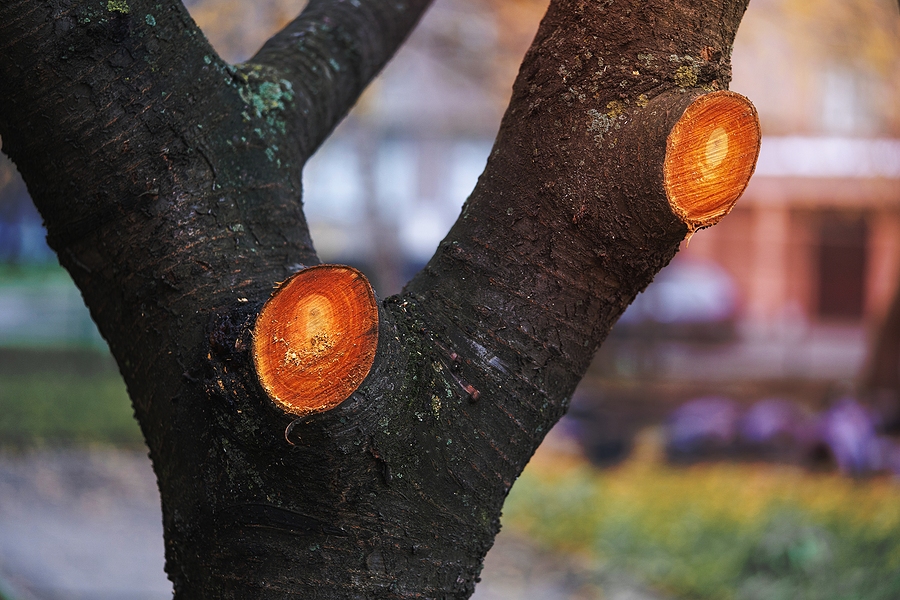
Another important factor to consider when pruning is where you should make your cuts. Never cut too close to the trunk of the tree – instead, you want to leave a small “collar” around the base of each branch so that it can heal properly after being cut. This collar also provides protection from disease and pests so that your tree can remain strong and healthy. Additionally, try to avoid cutting more than one-third of the live crown at once – this is because if too much foliage is removed, your tree may go into shock and become susceptible to diseases or pests.

When to Do Your Pruning

Tree pruning is a delicate process that should only be conducted during a specific period of time. Although trees can survive without periodic trimming, it is important to keep up with neglecting to prune them as they mature. Properly timing the tree pruning will benefit your tree and help it grow healthily into the future. Depending on the species, trees should receive proper care at different times throughout the year. Regular maintenance helps keep any dead or dying limbs from becoming too unmanageable for removal. It also aids in providing lots of sunlight and air circulation while minimizing hazards surrounding your home or business property. With planning and precision, you and your trees can thrive together well into the future!

In Summary

By understanding the science behind pruning and taking care with where and when you make cuts, you can ensure that your trees are receiving all of the health benefits that come with pruning. With proper care and attention, your trees will stay vibrant and beautiful for years to come!

Would you rather have an experienced professional handle the pruning of your landscaping trees? Contact Timberland Tree Care at 317-348-0811 for licensed and insured tree trimming and pruning services in Indianapolis, Indiana. We serve residential and commercial customers.

Related Posts:

The Best Time of Year to Trim and Prune Trees
Can I Prune My Tree in June?
Check Out These Photos From a Recent Tree Pruning Job!

Understanding the Costs of Professional Tree Branch Removal

Having a tree in your yard can be a great source of beauty and shade, but it does come with certain responsibilities. Tree branch removal is one of the most important tasks for keeping your tree healthy and safe. Professional tree trimming or pruning services can help remove dead branches, reduce hazards, and improve the overall health of your trees. But before hiring a professional arborist to take care of this job, you should understand what goes into the cost of these services so that you can make an informed decision about which company to hire.

In this blog post, we’ll discuss some key factors that influence the cost of professional tree branch removal services and how you can save money on these essential maintenance tasks.

Call 317-348-0811 for Tree Branch Removal and Trimming in Indianapolis Indiana

Factors That Impact the Price of Tree Branch Removal

The most important factor in determining the cost of tree branch removal services is the size and type of tree. Larger trees require more labor, equipment, and time to trim or prune properly. The age of the tree can also affect how much work needs to be done to keep it healthy, as older trees may need more extensive trimming or pruning than younger ones. Additionally, if there are obstacles around the tree such as buildings or overhead power lines that must be taken into account when removing branches, this will add to the overall cost of the job.

The Result of Regular Scheduled Tree Care

When it comes to saving money on professional tree branch removal services, one of the best ways to do so is by scheduling regular maintenance visits from your tree care contractor. This will allow them to identify any potential problems with your tree before they become a major issue and can save you money in the long run by keeping your trees healthy and preventing costly repairs. Additionally, if you have multiple trees that need trimming or pruning, it may be more cost effective to have the tree service company take care of them all at once instead of paying for individual visits per tree.

Best Time for Tree Trimming and Pruning

Tree trimming and pruning are important tasks for keeping your trees healthy and looking their best. Properly pruned trees have strong, sturdy branches that can withstand storms and heavy winds better than those with an overgrown canopy. Trimming also helps to remove dead or diseased branches that could be a hazard to people or property. Knowing when the best time is for tree trimming and pruning can help you ensure that your trees stay in optimal health year-round.

The ideal time for tree trimming depends on the type of tree you’re dealing with, as different species respond differently to being trimmed at certain times of the year. Generally speaking, it’s best to wait until after any danger of frost has passed before beginning any major outdoor projects such as tree trimming or pruning. This usually falls sometime between late winter/early spring depending on where you live in the country.

Once the weather warms up enough so that new growth appears on your trees, this is a good sign that it’s safe to begin work on them without worrying about damaging them due to cold temperatures. The best time to trim and prune trees is during the months of late spring or early summer, when there’s plenty of foliage growth. This will ensure that your trees have enough leaves to photosynthesize and stay healthy.

Conclusion

Overall, professional tree branch removal services are essential for maintaining the health and safety of your trees. Knowing the key factors that influence the cost of these services can help you make an informed decision about which company to hire and how to save money on these important tasks.

Would you prefer professional advice and service for your landscaping trees? Contact Timberland Tree Care at 317-348-0811 for licensed and insured tree trimming and pruning in Indianapolis, Indiana. We provide comprehensive residential and commercial tree service at economical prices.

Related Posts:

The Best Time of Year to Trim and Prune Trees
5 Tips for Preventing Damage from Overhanging Trees
Types of Tree Trimming Services and When You Might Need Them

The Benefits of Planting Trees on Arbor Day

Today is Arbor Day! Every year on the last Friday of April, people around the world come together to celebrate this amazing occurrence. It’s a day dedicated to tree planting and tree care, as well as raising awareness about the importance of trees in our lives. Planting trees on Arbor Day is an excellent way to help ensure that future generations will be able to enjoy a healthy planet with plenty of clean air and fresh water. There are many benefits associated with planting trees on this special day, some of which may surprise you.

Continue reading to learn some of the most important ones!

Call 317-348-0811 for Indianapolis Tree Care Today!

The History of Arbor Day

Filled with significance and cultural value, Arbor Day holds a prominent place in the history books. Since its inception centuries ago, steps have been taken to promote the protection of trees and woodlands through various activities such as planting species and conducting trainings. It has also been a ways to foster appreciation for forests and biodiversity, while also inspiring members of a community to work together in achieve common goals. What followed was a truly visceral connection that people had towards nature; one which showed them how varied land biomes connect us in many meaningful ways previously not thought-of.

Honoring this day encourages us to create balanced interactions between humankind and the environment around us in the present day. Ultimately, it promotes looking both backward and forward in time when recognizing our commitments to deforested lands so that future generations will be able to fairly experience their potentials.

Why You Should Plant a Tree on Arbor Day Each Year:

Reduces Air Pollution

Trees help reduce air pollution by capturing carbon dioxide and other pollutants from the atmosphere, which helps lower ground-level ozone concentrations. This can lead to improved health outcomes for those living in polluted areas.

Reduces Soil Erosion

Planting trees also helps reduce soil erosion, which is important for maintaining water quality and protecting aquatic ecosystems. These bodies of water sustain important wildlife and serve as the foundation for our many waterways. Trees also absorb harmful emissions from the air, purifying our environment and creating cleaner living conditions. Ultimately, planting trees is integral in safeguarding our society now and into the future.

Provides Habitats

Trees provide food and shelter for wildlife, so planting more of them on Arbor Day can help create habitats for birds and other animals who rely on trees to survive. Planting more trees on this special day is the perfect way to register our commitment towards looking after the environment, with potential long lasting rewards for future generations of creatures who will call these same trees their home in the years to come.

Creates Shade

Shade from trees can help cool down buildings and other structures, reducing the need for electricity-powered cooling systems during hot summer months. The shade provided by trees also makes outdoor spaces more comfortable as well as providing people with much needed respite from the sun.

Adds Beauty and Ambience

Trees can help provide natural beauty and habitat for humans, too! Planting trees can create green spaces where people can relax and enjoy nature’s beauty without having to leave their neighborhoods. Not only do they look great close up or from a window, but trees can become spaces where locals come together and have meaningful conversations, connecting over nature’s calming presence. People thrive surrounded by play spaces for children and grownups alike, nice pathways for jogging, biking or simply taking a walk.

Protects Our Forests

Finally, planting more trees on Arbor Day helps protect our forests and other ecosystems by adding biodiversity to them, which is important for future generations. They provide not only much needed sources of physical materials like wood, but the benefits to our climate and environment surpass this debris resource providing increased opportunities for evolution to flourish in environments with compressed resources. We depend upon nature’s evolution as she replenishes herself over time; therefore, adding species to local surroundings foster sustainable forests meant to last well into the future generations’ plans.

Conclusion

So, this Arbor Day take some time out of your day to plant a tree or two. Doing so will benefit everyone in the long run! Whether you decide to volunteer with an organization or team up with friends and family, make sure that you get involved in celebrating Arbor Day this year!

Are you looking for professional tree care near Indy? Contact Timberland Tree Care at 317-348-0811 for licensed and insured seasonal tree service in Indianapolis, Indiana. We provide residential and commercial tree care solutions at economical prices.

Related Posts:

Environmental Threats That Will Kill Your Landscaping Trees
The Impact of Climate Change on Tree Health
Learn the Basic Anatomy of a Tree

How to Choose the Best Drought Tolerant Trees for Indiana Gardens

Indiana is known for its hot, humid summers and often dry conditions. To ensure your garden thrives in these conditions, it’s important to select the right trees that are both drought tolerant and hardy enough to survive Indiana’s extreme weather. Continue below to learn what you need to know about drought-resistant trees in Indiana, including how to select them, where to plant them, how to take care of them, and watering tips for newly planted trees.

Call 317-348-0811 for Professional Tree Care in Indianapolis Indiana

Factors to Consider When Selecting a Tree for Your Property

Sunlight Requirements

Some trees will require more shade than others, so you’ll need to make sure that you select a tree that is suited for your garden’s light conditions. If you’re not sure which type of tree would do best in your garden, consult with a knowledgeable tree care contractor who can help you choose the right type of tree.

Insect and Disease Resistance

Indiana summers bring hot temperatures and often dry conditions, making it important to select trees that are resistant to insects and diseases prevalent during the summer months. Dry conditions provide a breeding ground for dangerous microorganisms like insects and diseases, and this summer season is no exception! That’s why it’s important to select trees careful to ensure their longevity; choosing trees that are resistant to strikes from common summertime pests is essential. Doing so will ensure the health of your tree throughout the hot months and guarantee its presence in Indiana summers yet to come!

Root Systems

Selecting trees with strong root systems also helps ensure their health as root systems play an important role in drought tolerance and overall health of the garden, you should consider factors such as the size of the tree at maturity, whether or not it needs pruning regularly and how much sunlight it will need.

Here are some of the best drought-tolerant trees for Indiana gardens that can withstand extreme heat and dryness:

River Birch: This tree is a great choice for Indiana gardens due to its tolerance of both wet and dry soils. The River Birch also has an attractive peeling bark which makes it a beautiful addition to any landscape.

Red Maple: Red Maples are very popular in Indiana as they are quite tolerant of dry conditions. They can also tolerate cold temperatures and adapt well to most soil types.

Japanese Maple: Japanese Maples are known for their striking foliage, making them a favorite among gardeners. They’re also drought-tolerant and can handle hot summers with ease.

Growth Room

When planting trees in your garden, make sure to give them plenty of room to grow so that the roots have enough space to spread out. Also, be sure to water your trees regularly and mulch around the base of the tree to help maintain a consistent soil moisture level. Proper tree care is essential to ensure that your garden thrives in even the driest conditions.

Conclusion

With careful selection and proper planting and maintenance, you can create a beautiful garden with the best drought-tolerant trees for Indiana gardens. Whether you’re looking for an ornamental or a fruit-bearing tree, these tips will help you find the perfect addition to your landscape.

How Much to Water Newly Planted Trees

In Indiana, newly planted trees need to be watered regularly during the first season after planting. It is important to provide enough water to keep the roots moist so they can become established in their new environment. The amount of water required will depend on factors such as soil type, climate, and time of year. Generally speaking, it is best to water newly planted trees deeply and infrequently rather than lightly and frequently. This helps encourage deep root growth that can better withstand drought conditions.

For most tree species, young trees should be watered every 7-10 days during hot summer months when temperatures are over 85 degrees F (29.4 degrees C). Adjust watering frequency according to the weather; if there has been significant rainfall then less water may be needed compared to a dry spell where more frequent watering is advised. When watering, aim for providing approximately one inch (2.5 cm) of water for each tree per week for the first three years following planting.

If possible, use a soaker hose or drip irrigation system rather than a sprinkler; this allows slower absorption of water into the soil while minimizing evaporation loss and also prevents foliage from becoming too wet which can lead to disease problems. Consider adding a layer of mulch around the base of the tree which can help retain moisture in the soil and reduce weeds that compete with tree roots for available moisture.

Additionally, consider carefully selecting drought tolerant species suited for your local climate; some examples include White Oak (Quercus alba), Eastern Redbud (Cercis canadensis), American Holly (Ilex opaca), American Sycamore (Platanus occidentalis), and Ponderosa Pine (Pinus ponderosa).

Are you looking for professional tree care near Indy? Contact Timberland Tree Care at 317-348-0811 for licensed and insured seasonal tree service in Indianapolis, Indiana. We provide residential and commercial tree care solutions at economical prices.

Related Posts:

Do We Have an Indiana State Tree?
Identifying Common Trees of Indiana: A Beginner’s Guide
Preparing Your Trees For Storms: What You Need To Know

5 Tips for Preventing Damage from Overhanging Trees

Overhanging branches from trees can cause a lot of damage to your property if left unchecked. Whether it’s broken windows, damaged roofs, blocked gutters or scratched paintwork, the cost of repairs can quickly add up. The best way to avoid this is to take proactive steps and ensure that any overhanging branches are addressed before they become an issue.

Continue reading to learn five tips on how you can prevent damage from overhanging trees.

Call 317-348-0811 For Tree Trimming Services in Indianapolis, Indiana.

How to Manage Overhanging Branches from Overgrown Trees

1. Regularly Trim Trees: It’s important to regularly trim and reduce the height of trees that overhang your property. Doing this before stormy weather arrives will help minimize the risk of branches or trunks falling onto your home, vehicle, or property boundaries. You can either hire a professional tree service to do this, or you could take on the job yourself if you know what safety precautions to take.

2. Cut Away Dead Branches: Taking a look at your trees every now and then is an essential part of keeping them healthy and safe from damage. If you spot any dead branches, you should try to remove them as soon as possible. This will make sure that they don’t cause any harm if they fall due to strong winds or heavy rain.

3. Be Smart With Planting: If you’re planning on planting trees near your property, be sure to bear in mind how tall the trees may grow and where their branches may extend once fully grown. Placing them too close to buildings can cause a hazard over time – so it’s best to think ahead when choosing where to plant them.

4. Prune Low Growing Branches: Overhanging branches don’t just have to be high up for them to present a problem; low-hanging branches could damage the roofs of sheds, garages and other structures on your property. It’s best practice to keep all branches at least two meters away from any buildings in order to avoid any damage.

5. Keep Trees Healthy: Finally, it’s important to keep your trees healthy and well maintained. This means providing them with the right kind of pruning, fertilizing, and mulching as necessary. Doing this will ensure that they don’t become weak or unstable over time, which could lead to problems further down the line.

By following these five tips you can make sure that your property remains safe and secure against any potential damage caused by overhanging trees. If you do notice some issues though – such as broken windows or damaged roofs – then it’s best to contact a professional tree service provider as soon as possible. They’ll be able to assess the situation and make sure that any overhanging branches are taken care of in the safest way possible.

Routine Tree Care is the Key to Preventing Overhanging Branches and Tree Threats

Regular and consistent tree care is essential. Professional maintenance can help maintain shrub and tree health, shape, safety, and aesthetic quality. From recognizing and addressing potential hazards to fertilizing plants and promoting growth, the range of tree services that can be provided can offer myriad of benefits. Professional tree service contractors can help guide you through inclement weather conditions, fungus risks, insect infestations, pruning requirements, and more. They can also ensure you get ahead of diseased or damaged trees quickly. Overall, putting in the effort to take care of your trees will help them stay healthy and strong for a long time.

Remember, it’s always better to be proactive and take preventative measures rather than waiting for an issue to arise before seeking help. Contact Timberland Tree Care at 317-348-0811 for licensed and insured tree trimming services in Indianapolis, Indiana. We serve residential and commercial customers.

Related Posts:

What is the Difference Between Tree Trimming and Pruning?
7 Reasons Why Professional Tree Care is Important
Important Spring Tree Care Reminders