What Causes Chlorine Poisoning in Trees?

Like most things in life, too much of a good thing can turn out to be bad. In the case of trees and chlorine, the same theory applies. Although chlorine is a trace element essential to tree health, too much can be poisonous. Continue reading to learn more about chlorine poisoning in trees, including causes, treatment options, and prevention.

Indianapolis Tree Service 317-348-0811

Chlorine Poisoning

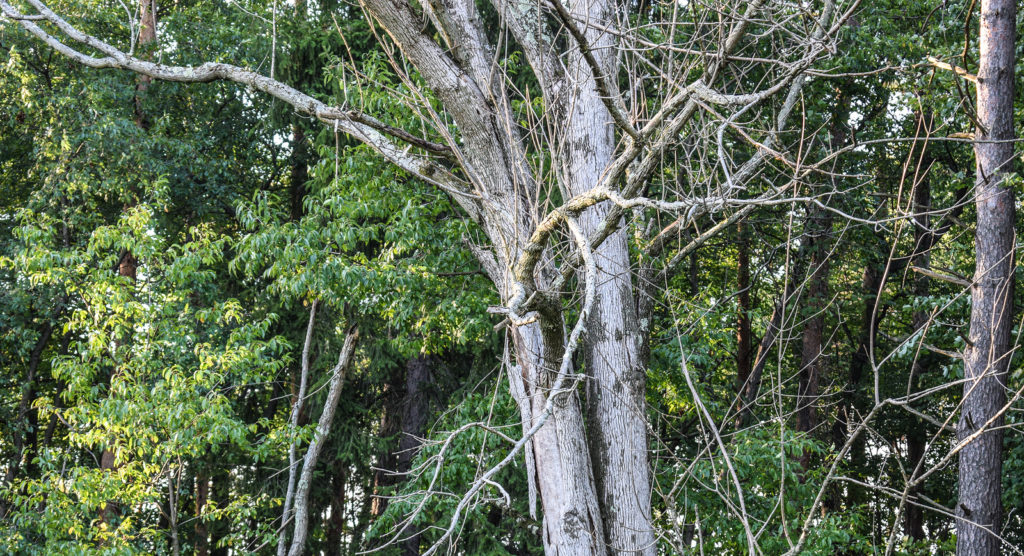
When chlorinated water comes into contact with elements in the soil, chloride compounds develop, which are then imbibed by the tree roots. The excess content of chloride compounds in a tree will eventually lead to chlorine poisoning, which is detectable by signs of stress and decline. Not only can chlorine poisoning make tree leaves turn yellow, curl, burn, or drop prematurely, it can also kill a tree in a very short amount of time. Tree species that tend to be more susceptible or vulnerable to chlorine poisoning include maple trees, box elders, ash trees, crab apple trees, dogwood trees, horse chestnut trees, mulberry trees, pin oak trees, sweet gum trees, and yellow woods.

Causes of Tree Chlorine Poisoning

There are several factors that influence the extent of damage caused by chlorine poisoning, all of which depend on the unique environmental surroundings. The most common factors that influence how harmed a tree is from chlorine poisoning include the time of year, length of time the tree was exposed, total concentration of chlorine in the tree, and just how the tree took in the chlorine water. City water is safe for trees. However, although municipal water has safe levels of chlorine, groundwater can be affected in various ways. Some common causes for chlorine in groundwater might include:

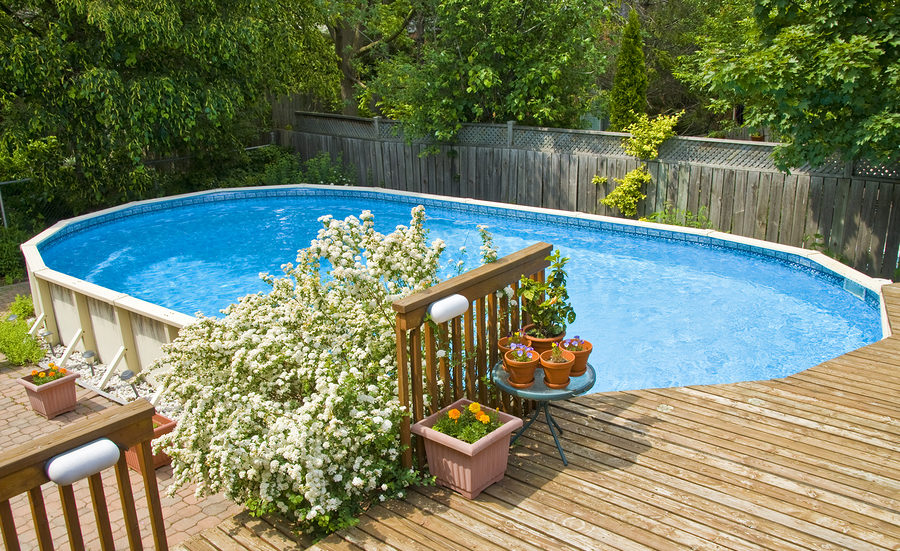
☑ Swimming Pool Water Runoff
☑ Swimming Pool Leaks
☑ Water Contaminated by Heavily Salted Roads and Driveways
☑ Air Pollution
☑ Naturally Occurring Chloride Salts in Soil
☑ Tampering
☑ And More

Prevention Tips

The number one rule is to never water your trees if the water smells like chlorine. From there, you can have your personal water supply tested and treated for high chlorine concentrations to ensure your hose is delivering safe water for your gardens. Another helpful approach to preventing chlorine poisoning in your landscaping trees is to keep them at least 10 feet from chlorinated swimming pools. If your soil is testing high for chlorides, consider incorporating some gypsum to drive out the excess chlorine content. The general rule of thumb for gypsum is 58lbs. per 1,000 square feet.

If your tree is already suffering from chlorine poisoning, water it thoroughly and deeply to extract the excess chlorine from the ground. You may also need to have the tree removed if it is too far damaged. Talk to a trusted tree service provider for advice on removing a sick or dead tree from your property. Not sure if your tree is dead? Stay tuned for our next blog to learn the signs of a dead or dying tree!

Indianapolis Tree Service

Call Timberland Tree Care at 317-348-0811 for professional tree service in Indianapolis, Indiana and its surrounding counties. We are licensed and experienced tree care contractors who offer a wide range of professional-level tree service for both residential and commercial properties.

Timberland Tree Care Indianapolis, Indiana
Timberland Tree Care 317-348-0811

The Common Signs of Emerald Ash Borers

Here in Indiana, Ash trees are common targets of an invasive and destructive metallic-green beetle known as the Emerald Ash Borer (EAB). Nationwide, these voracious beetles are responsible for the destruction of over 50 million Ash trees! To make matters worse, Emerald Ash Borer infestations have a growth rate of over 5,000% per year, which means you must seek treatment the minute you notice signs of these invasive beetles.

Continue reading to learn how to tell if your Ash trees are infested with Emerald Ash Borers.

Emerald Ash Borer Treatment 317-348-0811

Signs of EAB

The most distinctive sign of an Emerald Ash Borer infestation is the presence of “S” and/or “D” shaped holes in the bark. The most common symptoms include crown dieback, splitting bark, increase in woodpecker activity, and epicormic sprouting. Additional signs may include:

➥ Canopy Thinning and Die-Back
➥ Foliage Barenes
➥ Vertical Fissures on Bark
➥ Callous Tissue Formation
➥ Exposed Galleries under Bark Split
➥ Frass Accumulation (Mix of Saw Dust and Excrement)
➥ Sprout Growth from Roots and Trunk
➥ Larger-than-Normal Leaves

✨ Because several signs and symptoms of Emerald Ash Borer outbreaks are similar to other tree illnesses and pests, it is best to consult a professional tree care specialist to learn for sure whether or not your Ash trees are infested.

Possible Solutions for EAB

If your trees are infested with these destructive beetles, you have various options for rehabilitation. The most effective options are insecticide treatments or tree removal. By hiring an Indianapolis tree care company, land owners can learn methods to preventing pest problems and infestations in their trees. Prevention and routine maintenance are the best ways to protect trees from Emerald Ash Borers and other tree ailments.

Indianapolis Tree Care Service

Contact Timberland Tree Care at 317-348-0811 to request free information about Emerald Ash Borer treatment in Indianapolis, Indiana. You can also schedule a complimentary tree assessment. We are licensed and experienced tree care contractors who offer a wide range of professional-level tree service at all scopes, including arborist work. Whether you need a stump removed, or an entire lot cleared, we are the pros to trust for quality results at the right price.

Timberland Tree Care Indianapolis, Indiana
Timberland Tree Care 317-348-0811