5 Easy Steps to Take After Stormy Weather Damages Your Trees

The aftermath of a storm can be devastating for your trees. Heavy winds, hail, and lightning can all cause damage to the branches or even topple them completely. If you’ve been hit by a storm recently, you need to act quickly in order to protect your trees from further harm and ensure they recover as best as possible. Continue reading to learn a quick and easy homeowners’ guide for dealing with storm damages to landscaping trees after severe weather.  
Call 317-348-0811 for Professional Storm Damage Tree Service in Indianapolis

How Severe Weather Can Damage a Tree

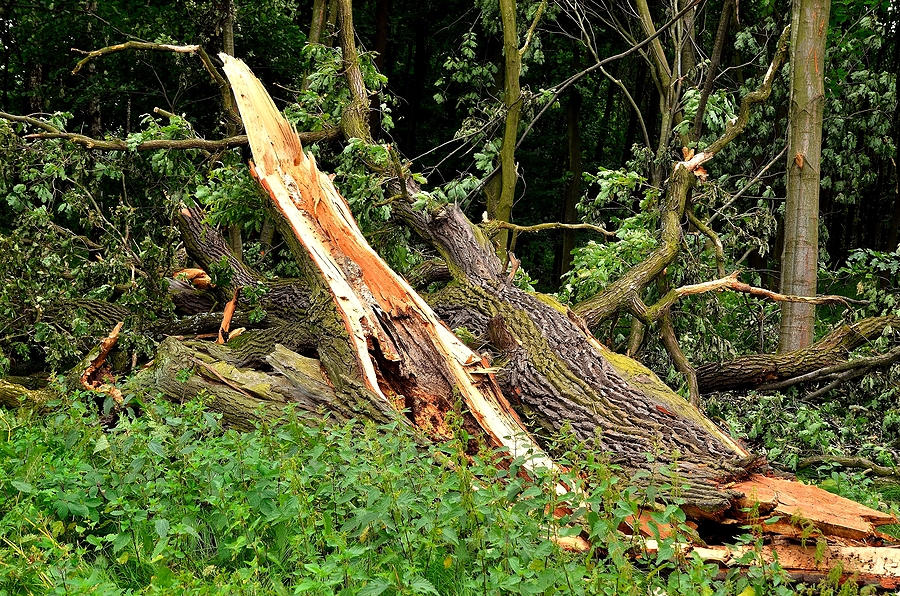
Severe weather with rough winds, hail, and lightning strikes can be disastrous for trees. Not only do strong winds have the potential to break branches or uproot whole trees, but the constant pounding of hail on leaves and bark can cause significant damage to the tree. Additionally, lightning strikes can result in instant tree death or slowly damage the tree over time, making it more prone to disease and insect infestation. Ultimately, the effects of a bad storm can leave a tree vulnerable to further damage and make it difficult for the tree to fully recover.

A Guide for Dealing With Storm Damaged Trees

Storms can cause severe damage to your trees, with strong winds, hail, and lightning posing a threat to their branches. If your area has recently experienced a storm, it’s important to take swift action to safeguard your trees from additional harm and promote their recovery.

Here are five easy steps that will help you get started on the road to recovery after stormy weather damages your trees:

1. Assess the Damage: Immediately after a storm, it’s important to survey the damage and take note of any broken or leaning branches, as well as any signs of disease or insect infestation. If you notice anything abnormal in your trees, call an arborist for help.

2. Remove Debris: Stormy weather can leave behind debris that may be hazardous to your trees if left for too long. Be sure to remove any fallen limbs, leaves, or other debris around the tree in order to protect it from further harm.

3. Prune Away Dead Branches: Pruning away dead wood is essential for preventing decay and promoting healthy growth in a damaged tree. Before pruning, make sure to call a certified arborist for help.

4. Mulch and Water: Adding mulch around the tree’s base can help retain moisture and improve soil health over time. Make sure to regularly water your tree with deep, slow-running water in order to replenish lost nutrients.

5. Add Protection: To protect your trees from further storm damage, consider adding extra reinforcements such as tree stakes or guy wires. Make sure to follow all local building regulations when doing so.

Tree Protection From Storms and Strong Winds is Important

Following these five steps can greatly reduce the amount of damage incurred by stormy weather and ensure that your trees are given every chance to recover quickly and effectively. If you have any questions about how best to care for your damaged trees, don’t hesitate to contact a local tree service company in Indianapolis for advice. With the right knowledge and care, you can help ensure that your trees remain healthy and strong long after the storm is gone.

Did your trees suffer damage from the recent severe storms? Contact Timberland Tree Care at 317-348-0811 for licensed and insured storm damage tree service in Indianapolis, Indiana. We serve residential and commercial customers.

Related Posts:

Preparing Your Trees For Storms: What You Need To Know
How to Prevent Lightning Strikes to Landscaping Trees
Storm Damage Repair Solutions for Trees and Landscaping
5 Tips for Preventing Damage from Overhanging Trees

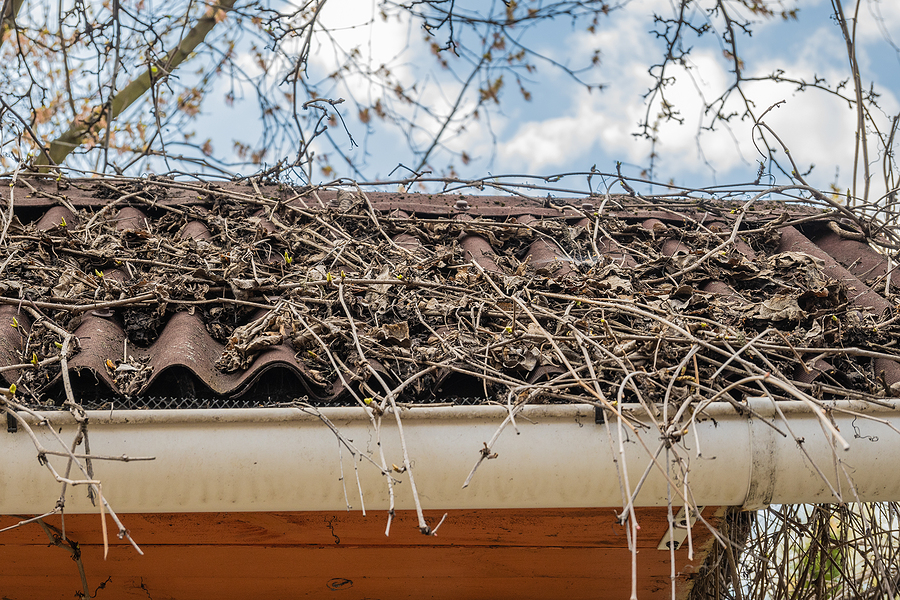
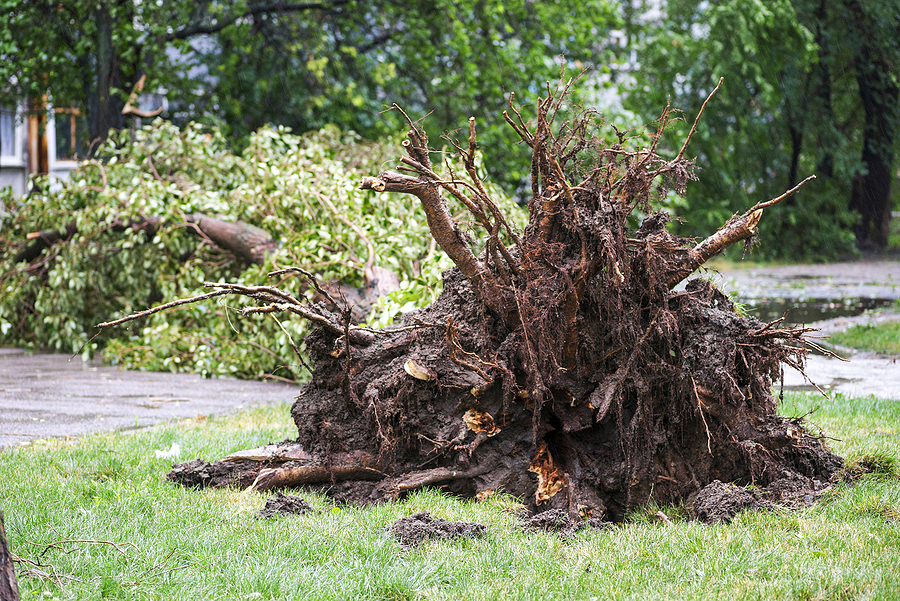
Overhanging branches from trees can cause a lot of damage to your property if left unchecked. Whether it’s broken windows, damaged roofs, blocked gutters or scratched paintwork, the cost of repairs can quickly add up. The best way to avoid this is to take proactive steps and ensure that any overhanging branches are addressed before they become an issue.

Continue reading to learn five tips on how you can prevent damage from overhanging trees.

Call 317-348-0811 For Tree Trimming Services in Indianapolis, Indiana.

How to Manage Overhanging Branches from Overgrown Trees

1. Regularly Trim Trees: It’s important to regularly trim and reduce the height of trees that overhang your property. Doing this before stormy weather arrives will help minimize the risk of branches or trunks falling onto your home, vehicle, or property boundaries. You can either hire a professional tree service to do this, or you could take on the job yourself if you know what safety precautions to take.

2. Cut Away Dead Branches: Taking a look at your trees every now and then is an essential part of keeping them healthy and safe from damage. If you spot any dead branches, you should try to remove them as soon as possible. This will make sure that they don’t cause any harm if they fall due to strong winds or heavy rain.

3. Be Smart With Planting: If you’re planning on planting trees near your property, be sure to bear in mind how tall the trees may grow and where their branches may extend once fully grown. Placing them too close to buildings can cause a hazard over time – so it’s best to think ahead when choosing where to plant them.

4. Prune Low Growing Branches: Overhanging branches don’t just have to be high up for them to present a problem; low-hanging branches could damage the roofs of sheds, garages and other structures on your property. It’s best practice to keep all branches at least two meters away from any buildings in order to avoid any damage.

5. Keep Trees Healthy: Finally, it’s important to keep your trees healthy and well maintained. This means providing them with the right kind of pruning, fertilizing, and mulching as necessary. Doing this will ensure that they don’t become weak or unstable over time, which could lead to problems further down the line.

By following these five tips you can make sure that your property remains safe and secure against any potential damage caused by overhanging trees. If you do notice some issues though – such as broken windows or damaged roofs – then it’s best to contact a professional tree service provider as soon as possible. They’ll be able to assess the situation and make sure that any overhanging branches are taken care of in the safest way possible.

Routine Tree Care is the Key to Preventing Overhanging Branches and Tree Threats

Regular and consistent tree care is essential. Professional maintenance can help maintain shrub and tree health, shape, safety, and aesthetic quality. From recognizing and addressing potential hazards to fertilizing plants and promoting growth, the range of tree services that can be provided can offer myriad of benefits. Professional tree service contractors can help guide you through inclement weather conditions, fungus risks, insect infestations, pruning requirements, and more. They can also ensure you get ahead of diseased or damaged trees quickly. Overall, putting in the effort to take care of your trees will help them stay healthy and strong for a long time.

Remember, it’s always better to be proactive and take preventative measures rather than waiting for an issue to arise before seeking help. Contact Timberland Tree Care at 317-348-0811 for licensed and insured tree trimming services in Indianapolis, Indiana. We serve residential and commercial customers.

Related Posts:

What is the Difference Between Tree Trimming and Pruning?
7 Reasons Why Professional Tree Care is Important
Important Spring Tree Care Reminders

Preparing Your Trees For Storms: What You Need To Know

Spring is right around the corner, and we know that means storm season. When stormy weather hits, your trees are at risk of serious storm damage. Unfortunately, many homeowners don’t think about tree care until it’s too late and the storm has already caused irreparable harm to their beloved trees. But with a few proactive steps, you can take control of the situation and minimize storm damage to your property.

In this blog post, we will discuss what you need to know in order to prepare your trees for storms and keep them safe from potential danger. We will cover topics such as recognizing warning signs of weakness or instability in trees, proper pruning techniques that improve storm resistance, and when it might be necessary to call a professional tree service for assistance. By following these tips and taking action before severe weather strikes, you can help protect your property from costly storm-related damage.

Call 317-348-0811 for Storm Damage Tree Service in Indianapolis

Recognizing Warning Signs of Potential Storm Damage

The first step in storm preparation is to identify any potential storm hazards before they become a problem. If you notice any signs of weakness or instability, such as cracking or splitting branches, it may be time to call in a professional tree service for assessment and advice. Weak trees are more likely to suffer storm damage due to strong winds and heavy rains.

Proper Pruning Techniques

Proper pruning techniques can help strengthen your trees and make them more storm-resistant. It’s important to remember that incorrect pruning techniques can actually do more harm than good, so if you aren’t sure what you’re doing, its best to hire an experienced Indianapolis tree service to help.

When to Call a Professional Tree Service

If you have any doubts or questions about storm preparation for your trees, it’s best to consult with a professional tree service. They can provide valuable advice and insight that can save you time, money, and heartache in the long run. In some cases, such as when trees are too large or weak for pruning, tree removal may be necessary to protect your property from storm damage. A certified arborist will be able to make the best assessment of the situation and suggest the most appropriate course of action.

Protect Your Trees From Spring Storm Damage

By following these tips and taking an active role in storm preparation for your trees, you can help minimize storm damage and keep your property safe. If you have any questions or concerns, it’s always best to consult with a professional tree service for advice and assistance.  With the right storm preparation and proactive steps, you can help protect your trees from storm damage and help keep your property safe.

Were your landscaping trees hit by severe storms recently? Contact Timberland Tree Care at 317-348-0811 for licensed and insured storm damage tree service in Indianapolis, Indiana. We serve residential and commercial customers.

Related Posts:

How to Prevent Lightning Strikes to Landscaping Trees
Important Spring Tree Care Reminders
Storm Damage Repair Solutions for Trees and Landscaping
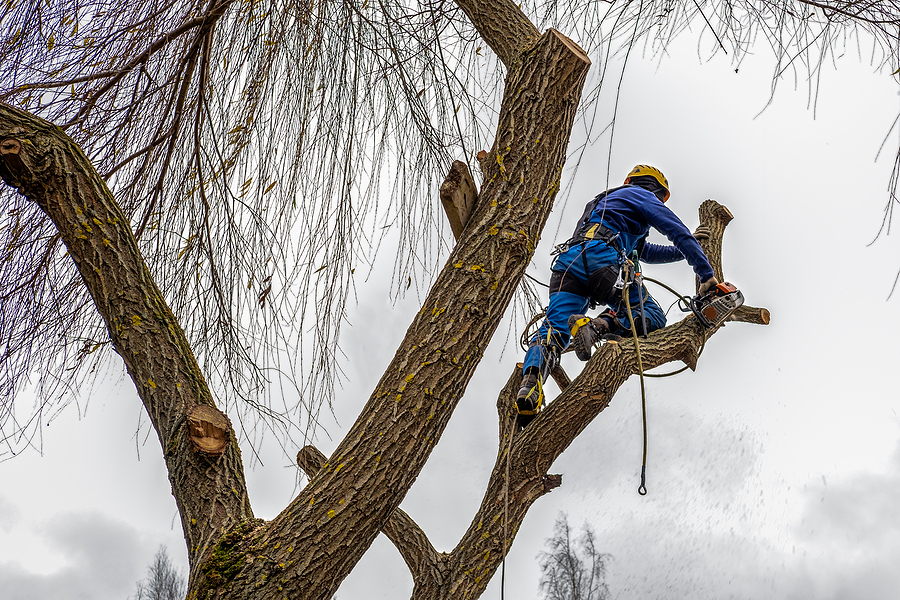
10 Essential Steps for Residential Tree Care

Taking care of residential landscaping trees requires a lot of work, but it is worth the effort. Proper tree care can help protect your property from damage caused by falling limbs, keep your lawn healthy and green, and provide you with much-needed shade during hot summer months. Fortunately, tree service doesn’t have to be complicated or expensive. With just 10 vital tips to keep your landscape’s trees healthy and thriving, you can make sure that your trees stay healthy and safe year-round.

From regular pruning to choosing the right fertilizer for each species of tree in your yard, below are 10 must-know tips for homeowners:

Call 317-348-0811 for Residential Tree Service in Indianapolis.

How to Take Care of Your Home’s Landscaping Trees

1. Inspect Your Trees Regularly: Regularly inspecting your trees will help you spot any signs of disease or pests that could be damaging the tree’s health and stability. Make sure to look for dying leaves, holes in the bark, or mushrooms growing near the roots.

2. Prune Dead Limbs: Dead branches can easily become a hazard if they are left unchecked. By pruning them away from sheds, walkways, playsets, or other suburban areas, you can ensure that no one is injured due to falling debris.

3. Remove Dangerous Limbs: Limbs that hang too close to edifices (i.e. power lines, sheds, barns, playsets, pool houses, etc.) should also be removed to prevent damage due to high winds or storms. If a tree has large branches hanging over such areas, a tree service should be called to safely remove them.

4. Choose the Right Fertilizer: Different trees need different types of fertilizer, so it is important to select one that is specifically designed for your tree species. This will provide your tree with the necessary nutrients for optimal growth and health.

5. Mulch around the base: Applying mulch around the base of trees helps retain moisture and improve soil fertility near their roots. Make sure not to pile up too much mulch as this can suffocate a tree’s roots and cause chemical imbalances in the soil.

6. Aerate the Soil: Periodically aerating lawn and garden soils help increase water absorption and root growth. This helps landscaping trees get the oxygen and nutrients they need for optimal health and growth.

7. Water Your Trees: Landscaping trees require plenty of water to remain healthy and strong, especially during hot summer months. Give each tree around one inch of water every week either through rainfall or with a garden hose.

8. Monitor Soil pH Levels: Soil pH can affect tree health, so it is important to regularly monitor the acidity or alkalinity levels in your landscape’s soil. If you notice any abnormalities, call a licensed Indianapolis tree service to assess your tree’s needs.

9. Control Pests: Pests such as aphids, beetles and moths can wreak havoc on landscaping trees. If you notice any of these pests, contact a tree service to help control the infestation and protect your tree’s health.

10. Watch for Diseases: Diseases such as root rot or Dutch elm disease can easily spread from one tree to another if left unchecked. Contact a local tree service immediately if you suspect that your tree is suffering from a disease.

Tree Care for Residential Properties

By following these 10 important steps for residential tree care, you can ensure that your landscaping trees and shrubs remain healthy all year round. For more helpful tips or assistance with your trees, contact a licensed Indianapolis tree service company and get expert advice.

Are you in need of expert tree services for your landscaping trees? Contact Timberland Tree Care at 317-348-0811 for licensed and insured tree service in Indianapolis, Indiana. We serve residential and commercial customers all throughout the surrounding Indy areas.

Related Posts:

7 Reasons Why Professional Tree Care is Important
Reasons Why Your Tree Died Over Winter
Tips for Watering an Old Tree

Tips for Caring for Evergreen Trees During the Winter

Winter is a tough time for evergreen trees and conifers, as they are especially vulnerable to cold temperatures and winter weather conditions. If you have evergreen or conifer trees in your yard, it’s important to take extra care of them during the winter months. Here are some tips on how to properly care for evergreens and conifer trees during winter so that they can thrive throughout the season.

Call 317-348-0811 For Evergreen Tree Service in Indianapolis Indiana.

Evergreen Tree Care Considerations For Wintertime

Harsh Seasonal Winds

Winter winds can be particularly damaging to evergreens and conifers, so you may want to consider wrapping your trees in burlap or shade cloth. This will provide extra protection against winter gusts and help keep the tree’s foliage from drying out. If possible, try to avoid planting evergreen trees in areas that get especially harsh winter winds.

Changing Climates

Winter temperature fluctuations can also be hard on evergreens and conifers. If you live in an area where winter temperatures drop below freezing for extended periods of time, make sure to water your trees during winter months. This will help keep the tree hydrated and reduce the chances of it becoming winter-stressed. Additionally, you may want to consider mulching around the base of your evergreen or conifer tree with a layer of organic material such as wood chips or bark pieces. This will help the roots stay insulated from winter temperatures.

Snow, Sleet, and Ice

Winter snow can be beneficial for evergreen and conifer trees if it is managed properly. It’s important to make sure that winter snow doesn’t pile up around the tree, as this can smother its roots and cause damage. If necessary, you may need to use a shovel or rake to clear away any excess winter snow from the base of your evergreen or conifer tree.

Get Advice on Winter Tree Care in Indianapolis

Following these winter care tips can help ensure that your evergreen and conifer trees stay healthy throughout the winter season. If you’re unsure how to properly winterize your trees, you may want to consult a professional tree care company in Indianapolis for advice. With the right winter care, your evergreen and conifer trees will be able to thrive even in the winter months.

Are you seeking a dependable tree service provider that can offer cost-effective and reliable winter tree care for your residential or commercial property? Contact Timberland Tree Care at 317-348-0811 for licensed and insured winter season tree service in Indianapolis, Indiana. We provide comprehensive tree service solutions at economical prices.

Related Posts:

The Importance of Winter Tree Care
3 Winter Tree Damages to Watch Out For
Winter Storm Damage Solutions for Trees and Landscaping
7 Reasons Why Professional Tree Care is Important

Having trees in your yard is a great way to enhance the beauty of your landscape and provide shade, but it also requires regular maintenance. Tree care is essential for protecting your property from damage caused by overgrown or unhealthy trees. Professional tree service providers can help you keep your trees healthy and safe with expert advice and specialized services such as tree pruning, removal, trimming, fertilization, pest control, mulching, soil testing, and more.

Below are seven reasons why professional tree care service is so valuable.

Call Our Tree Service Company in Indianapolis at 317-348-0811 Today.

The Importance of Professional Tree Service

1. Tree Health and Well-Being: Professional tree care can help promote the health of your trees by removing dead or diseased branches, thinning out congested crowns, and providing necessary fertilization and nutrient treatments to maintain a healthy canopy. Tree trimming also helps reduce stress on the tree, allowing it to better withstand storms and other environmental factors.

2. Tree Safety: Tree removal and tree trimming can help protect your property from potential damage caused by overgrown or damaged branches, as well as from pests and disease. An arborist can also identify potential safety risks such as dead limbs that could fall onto your property or into a power line.

3. Tree Longevity: Tree pruning and tree removal can help protect trees from disease, pests, and environmental conditions so they can live longer. Tree trimming also helps promote a healthy canopy by keeping the branches at a safe distance from one another, as well as reducing wind resistance in storms.

4. Tree Protection for Structures: Tree removal and tree trimming help protect your home, garage, and other structures from damage caused by overhanging branches. Tree pruning can also remove weakened or dead limbs that could potentially fall onto a structure.

5. Enhanced Tree Appearance: Tree removal and tree trimming can help enhance the aesthetic appearance of your landscape by removing dead or damaged branches and promoting the growth of healthy foliage. Tree pruning can also improve the overall shape and aesthetic appeal of your trees.

6. Improved Tree Efficiency: Tree trimming helps reduce wind resistance, allowing trees to better withstand storms, while tree removal can help increase sunlight exposure to nearby plants and shrubs. Tree pruning also improves air circulation around the tree, allowing it to grow more efficiently.

7. Tree Appreciation: Tree care can help ensure the health of your trees and improve their overall beauty, making them a source of pride for you and your family. Tree removal and tree trimming can also create more space in your yard for other activities or landscaping opportunities.

Where to Get Licensed Tree Service in Indianapolis

Professional tree care is an essential part of keeping your trees healthy, safe, and beautiful. By scheduling regular tree service appointments to inspect and maintain your trees, you can protect your property from potential damage caused by overgrown or unhealthy trees while also enhancing the overall aesthetic appeal of your landscape.

Are you in need of expert arboricultural services for your existing or freshly planted trees? Contact Timberland Tree Care at 317-348-0811 for licensed and insured tree service in Indianapolis, Indiana. We serve residential and commercial customers all throughout the surrounding Indy areas.

Related Posts:

When to Remove a Tree From Your Property
Reasons Why Your Tree Died Over Winter
How Much Does Tree Removal Cost in Indianapolis?

How to Stop Bucks From Damaging Your Trees

It is so exciting to spot a deer or doe in your yard, and even more so when it’s a buck! However, many homeowners who live near wooded areas are beginning to question whether or not deer activity can harm their trees. Aside from grazing, many homeowners ask why bucks rub their antlers on newly planted trees, and if this behavior can injure young trees. These are very good questions, and important information to your overall tree care routine.

Continue reading to learn why bucks are rubbing their antlers on your trees, and how to stop them from causing any damage with this behavior.

Call 317-348-0811 For Winter Tree Service in Indianapolis!

How Buck Behavior Impacts Trees in Indiana

Bucks rub their antlers against young trees because they are still flexible. There is a misconception about bucks who rub their antlers on trees. Many people in the past have assumed that it is due to the velvet that initially covers buck antlers. It was believed that this velvet was itchy, and bucks were simply relieving the irritation. But this can’t be true because antlers do not have nerve endings! Research shows that bucks most likely exhibit this behavior for a number of reasons. But the 3 most common include:

☑ To Mark Their Territory
☑ To Practice or Strengthen Neck Muscles for Battle
☑ To Arouse and Attract Fertile Does

Tree Damages Caused By Male Deer

This distinctive buck behavior can harm trees. It can create open wounds in trees and break off bark. This leaves a tree more vulnerable to diseases, infections, and pest infestations. If a tree gets sick, it can quickly decline and die. So, it is necessary to take action because deer will come back to your trees, season after season.

Tree Protection For Nuisance Wildlife Problems

You have a few options to protect your trees from deer interference. You can install a fence around your property, which will inhibit deer from being able to enter your premises. If you are not interested in such a large investment, you can install a perimeter fence just around your trees.

You can make these using sheets of welded wire mesh, or you can purchase manufactured tree barriers or ornamental metal grates on the market. Be sure they are at least 5 to 6 feet tall and reinforced by 8-foot-tall rebar.

The rebar should be pounded into the ground at regular intervals around the perimeter of the tree. If this doesn’t work for you, you can use corrugated plastic drainpipe. Cut it in half, lengthwise, and wrap it around the tree.

Would you like some help with winter tree care this year? Contact Timberland Tree Care at 317-348-0811 for licensed and insured tree service in Indianapolis, Indiana and its surrounding counties. We provide residential and commercial tree work, as well as free estimates and advice.

Related Posts:

4 Environmental Factors That Can Delay or Stop Tree Growth
Top 5 Reasons Your Tree Looks Unhealthy
3 Trending Pest Control Products for Trees and Shrubs

4 Ways to Compost in the Fall

When the leaves start to fall from the trees this season, don’t get frustrated. Instead, be grateful. Tree leaves are the perfect composting material and can be used in various applications to improve your property’s landscape. Composted leaves provide several benefits to trees, plants, and lawns because they retain incredible levels of nutrients. They also decompose slowly, which provides roots with steady provisions as the temperatures continue to drop. You can use them for mulching trees and flower beds, or as fertilizer to improve soil conditions in your gardens.

As an environmentally sound gardening and lawn care practice, you can feel good about the landscaping work you do with composted tree leaves. Continue reading to learn the 4 most common methods for composting, and then you can decide which one best fits your landscaping and gardening needs.

Tree Service Indianapolis Indiana 317-348-0811

Facts About Seasonal Composting

Compost is organic matter that has undergone a natural decomposition process. It is a dark, crumbling substance with an earthy stench. It can be made from several different types of organic matter. In the case of gardening compost, this can include leaves, grass clippings, weeds, pine needles, chipped twigs and branches, and expended garden plants. Compost can be used as mulch or fertilizer to improve the condition of garden soils. It can enrich soils, loosen heavy soils, preserve moisture in sandy or dry soils, and more. It can also be used in potted plants and containers.

4 Methods of Seasonal Composting:

▶ Piles or Bins

One of the easiest and most popular methods of composting is to create mounds or to use a container. Almost any type of plastic, wood, or metal container is suitable for composting. And you can find one at any local home improvement store for a reasonable price. Instead of using a container, you can simply make a pile in a secluded area of your lawn. Although both methods are equally effective for composting, it is recommended to use a container for wildlife control purposes.  If you choose to use a pile, consider installing a wire fence around it to prevent wildlife intrusion and tampering.

▶ Bags

Bagging is a very convenient and easy method for composting, but there is somewhat of a catch. The level of decomposition is not as high as the other methods used for composting. All you need are some heavy-duty plastic garbage bags. Simply put all your materials and ingredients into your plastic bags and wait patiently! In 6 to 8 weeks, you’ll have a decent level of decomposition in your bags.  

▶ Trenches

If labor does not intimidate you, trench composting is a great choice for your vegetable gardens. It requires digging trenches into the ground and then filling them with your organic matter and composting materials. The trenches should be dug 10 inches wide and one foot into the ground to be suitable for composting. This method allows leaves to decompose directly at the point of interest, making it a very popular practice among avid gardeners.

▶ Commercial Devices

Using commercial composting devices is beneficial for both residential and commercial needs. Many home improvement stores sell commercial composting devices, such as barrels, bins, and boxes, in wood, plastic, or metal. They are the perfect option for those who do not wish to put too much effort into building or creating a compost workspace. These units are a fill-and-forget operation, making it a convenient method of composting.

Are you looking for trusted seasonal tree care in the surrounding Indy areas? Contact Timberland Tree Care at 317-348-0811 for licensed and insured tree service in Indianapolis, Indiana. We serve residential and commercial customers.

Related Posts:

The Best Methods for Leaf Removal This Fall
Why are My Tree Leaves Brown and Dead at the Edges?
FAQS About Oak Wilt Tree Disease

How to Calculate Tree Critical Root Zones

Taking care of your landscaping trees requires more than personal effort; it requires a little knowledge and understanding, too. A fundamental part of learning about tree care is knowing a tree’s critical root zone. A critical root zone, or CRZ, is essentially an imaginary boundary surrounding the base of a tree. Although the perimeter is imaginary, the meaning and importance is very real.

Tree Care Services Indianapolis Indiana 317-348-0811

Instructions For Measuring CRZ

The imaginary boundary mentioned above should start at the drip line of a tree. This is where the water drips from the borders of the tree’s canopy. Imagine an open umbrella with water pouring on top. The circle of water created around the umbrella is similar to a tree’s drip line. For thinner trees, it is best to imagine the dripline a little farther out just to be sure all roots are taken into account.

Rather than locating (or guessing) a tree’s dripline, you can simply measure it yourself by hand. To measure your tree’s CRZ, start with some simple math. Measure the diameter of the tree trunk, and then multiply that number by 1.5. Here is an example:

Tree Trunk Diameter = 24 inches
Critical Root Zone = 1.5 ft2
24 x 1.5 = 36
CRZ Radius = 36 feet

When measuring your tree trunk, start at an area that is 5 feet from the base. This is a more accurate measurement of the trunk diameter. Another way to find the tree trunk diameter is to measure the circumference of the tree trunk and multiply it by 3.14 (pi). Here is an example:

Trunk Circumference = 76.36 feet
Critical Root Zone = 1.5 ft2
75.36/3.14 = 24
Tree Trunk Diameter = 24 inches

Fall Season Tree Care

Fall is the time of year when the leaves on trees begin to change color and eventually fall off. This can be a beautiful sight, but it also means that trees need special care to stay healthy. Here are some tips for taking care of your trees during the fall season:

🌳 Prune any dead or dying branches to help the tree stay healthy.

🌳 Mulch around the base of the tree to help protect the roots from cold weather.

🌳 Make sure the tree is getting enough water, especially if the leaves are turning brown.

🌳 Wrap the trunk of the tree with burlap or another type of fabric to protect it from freezing temperatures.

By following these tips, you can help your trees stay healthy and beautiful during the fall season! Contact Timberland Tree Care at 317-348-0811 for licensed and insured tree service in Indianapolis, Indiana. We serve residential and commercial customers.

Related Posts:

Environmental Threats That Will Kill Your Landscaping Trees
4 Environmental Factors That Can Delay or Stop Tree Growth
What is Tree Deep Liquid Root Fertilizing?

How to Plant a Pecan Tree in Fall

Now that Fall is officially here, we can start thinking about all the wonderful and nostalgic traditions that come along with it, like pecan pie! So, why not honor these Autumn traditions by planting a Pecan tree? Of course, planting a Pecan tree now won’t get you any fruit this year, but you can certainly look forward to it next Fall!

Continue below to learn some important tree care tips for planting a Pecan tree, including how to take good care of it, year round.

Tree Trimming and Removal Indianapolis Indiana 317-348-0811

Facts About Pecan Trees

Pecan trees (Carya illinoinensis) are a popular fruit species that are native here in the United States. Not only do they give us delicious nuts every autumn season, but they are also wonderful shade trees that instantly enhance curb appeal and property value. Although they are generally found in the southern regions of the country where growing seasons are longer, pecan trees can also be grown in other hardiness zones. If you are interested in adding a Pecan tree to your landscaping, it is wise to first learn some important tips on planting, growing, and caring for them in order to ensure a long life.

Pecan Tree Planning and Preparation

Before you plant your pecan tree, you must first make the necessary preparations. Locate an area of your yard that gets plenty of sunlight, but that also has well-draining soil to a depth of 5 feet. Soil that does not drain well will not be conducive to pecan tree survival because the soggy conditions can make their elongated tap roots susceptible to disease. If you are unsure about soil drainage, simply find a spot that is higher, such as a hill or mound.

If you are planting more than one tree, it is important that you plan out the spacing correctly. For pecan trees, the general rule of thumb is to set them 60 to 80 feet apart. A mature pecan tree will grow up to 150 feet tall and 75 feet wide! In addition to spacing and soil, you need to consider pruning the tree before planting it in the ground. This is a common practice meant to promote strong growth. It is vital that you know how to prune and trim a tree properly before getting started; improper pruning will quickly lead to tree decline. Contact a licensed Indianapolis tree service operator for help with fruit tree pruning. 

When preparing your hole, be sure it is around 3 feet deep and 2 feet wide. Allow the roots to lay naturally as you position the tree into the hole. Fill the hole halfway with soil, and then add some water to compact it and eliminate air pockets. Once the water soaks in, finish filling in the hole until the soil line of the tree is level with the ground.

Pecan Tree Maintenance

Once you have your pecan tree planted firmly in the ground, do not add any fertilizers or additives. Instead water the surrounding soil, deeply. If you notice a depression in the soil after watering it, simply add some more to even it back out. From there, add 2 to 4 inches of mulch. For the first few years, water your pecan tree on a weekly basis when there is no rain, and slightly less often when there is rainfall. After one year, you can add a 5-10-15 fertilizer if you want. Once the tree begins to produce nuts, you can use 4 lbs. of 10-10-10 fertilizer for the first two years.

Do you need to remove some trees or tree stumps from your property to make room for newer, healthier ones? Contact Timberland Tree Care at 317-348-0811 for licensed and insured tree service in Indianapolis, Indiana. We serve residential and commercial customers with comprehensive tree service solutions at the right price.

Related Posts:

Should I Stake My Trees?
Do We Have an Indiana State Tree?
The Best Methods for Leaf Removal This Fall