Your Trees are Thirsty: The Complete Guide to Winter Watering in Indiana

When the temperatures drop and the frost settles across the Hoosier state, most homeowners instinctively pack away their garden hoses. It makes sense—we associate gardening with the vibrant blooms of spring and the heat of summer. Once the leaves fall, the common assumption is that nature has gone to sleep and our work is done until the snow melts.

However, this misconception often leads to significant problems come springtime. While your trees may look dormant above ground, there is a lot happening beneath the soil surface. Indiana winters are notorious for their harsh winds and fluctuating temperatures, creating a dry environment that can severely dehydrate your landscape. Neglecting your trees during these colder months is a primary cause of “winter kill,” a condition where trees—particularly new ones—fail to wake up when the weather warms.

Taking care of your trees doesn’t stop just because you’ve raked the last leaf. Understanding how to properly water your trees during late autumn and winter is essential for maintaining a healthy, vibrant landscape that will thrive for years to come.

Call 317-348-0811 for Professional Winter Tree Service in Indianapolis

Understanding Indiana’s Winter Climate

To understand why winter watering is necessary, we have to look at how Indiana weather affects tree biology. Our winters are characterized by cold air that holds very little moisture. When you combine low humidity with the strong, drying winds that sweep across the plains, you have a recipe for rapid desiccation (drying out).

While snow provides some moisture, it often isn’t enough to penetrate deep into the root zone where it matters most, especially if the ground freezes quickly. The critical period for trees is usually late fall through early winter. During this time, trees are hardening off for winter, but their roots are often still active until soil temperatures drop significantly.

If a tree enters the deep freeze of January and February with dry roots, it lacks the internal moisture reserves needed to survive. This is comparable to a bear going into hibernation without eating enough food beforehand—the resources just aren’t there to sustain life through the dormant period.

Identifying Trees at Risk

Not all trees have the same water requirements during the winter. While established native trees are generally resilient, specific categories of trees require your vigilance.

Evergreens

Evergreens are the most susceptible to winter drying. Unlike deciduous trees that drop their leaves to conserve moisture, evergreens (like pines, spruces, and firs) hold onto their needles all year. These needles continue to lose water through transpiration, even in the middle of winter.

When the ground is frozen, the roots cannot pull up new water to replace what is lost to the wind and sun. This leads to “winter burn,” where needles turn brown or red, usually on the side of the tree facing the wind or sun. Purdue Extension experts note that evergreens benefit significantly from deep watering right up until the ground freezes.

Newly Planted Trees

If you have planted trees within the last two to three years, they are considered “newly planted” in terms of root establishment. These trees have not yet developed the expansive root systems needed to forage for moisture deep in the soil. They are entirely dependent on the moisture available in their immediate root ball.

Fall-planted trees are particularly vulnerable because they have had very little time to establish roots before the onset of winter. Without supplemental water, the limited root ball can dry out completely in a matter of days during a dry, windy spell.

Deciduous Trees

While they lose their leaves, deciduous trees (maples, oaks, elms) still respire at a lower rate during winter. Their roots and branches need internal moisture to withstand freezing temperatures without sustaining cell damage. If a deciduous tree suffers from severe drought stress in winter, it may exhibit dieback in the crown or stunted leaf growth the following spring.

Book Professional Tree Service in Indy Right Now

Best Seasonal Watering Practices

Watering in winter looks different than watering in July. You cannot simply set a sprinkler and walk away, as you risk creating ice sheets or damaging plant tissues. Here is how to do it correctly.

Check the Temperature

Timing is critical. You should only water when the air temperature is above 40°F. Attempting to water when it is near freezing can cause ice to form on the trunk or surface roots, which can be damaging. The best time to water is mid-day, allowing the water to soak into the ground before the temperature drops at night.

The “5 + 5” Rule

How much water is enough? A useful guideline from Purdue University Extension is the “5 + 5” rule. This suggests providing 5 gallons of water plus another 5 gallons for every diameter inch of the tree trunk.

For example, if you have a young tree with a 2-inch diameter trunk, you would provide roughly 15 gallons of water (5 base + 10 for the trunk size). This ensures the water penetrates deep enough to reach the entire root system, rather than just wetting the surface.

Use the Right Method

For winter watering, low and slow is the best approach.

  • Drip Bags: These are excellent for young trees. They slowly release water over several hours, ensuring it goes directly to the root ball without runoff.
  • Soaker Hoses: winding a soaker hose around the drip line (the outer edge of the branches) of the tree is effective for larger areas.
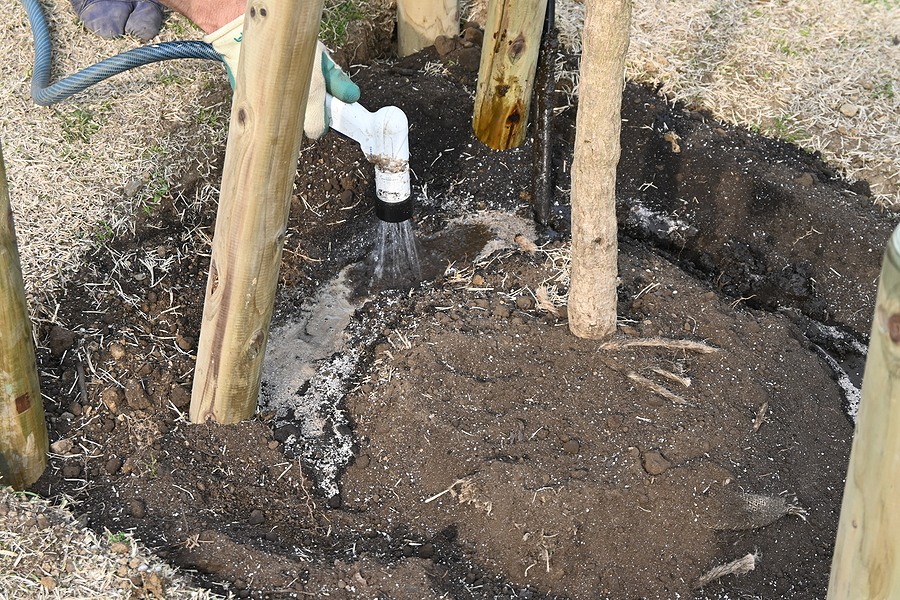
  • Trickle Method: Simply place a hose near the base of the tree on a very slow trickle for 30-45 minutes.

Stop When the Ground Freezes

Once the ground is frozen solid, trees can no longer absorb water. At this point, supplemental watering should stop, as the water will simply run off or freeze on the surface. Your goal is to ensure the soil is moist before this deep freeze occurs, usually by late December in Indiana.

Common Mistakes to Avoid

Even with good intentions, it is possible to harm your trees with improper winter care. Avoid these common pitfalls to ensure your efforts are helpful rather than harmful.

Overwatering

While trees need water, they do not want wet feet. Soil that is saturated and then freezes can suffocate roots or cause root rot. The goal is moist soil, not muddy soil. Check the soil moisture by using a long screwdriver or soil probe; if it goes into the ground easily and comes out with moist soil attached, you likely do not need to water yet.

Ignoring Mulch

Mulch acts as a blanket for your tree’s roots. A 2-to-3-inch layer of organic mulch (like wood chips) helps regulate soil temperature, keeping the ground warmer for longer and retaining moisture. However, ensure you create a “donut” shape, keeping the mulch pulled back a few inches from the trunk itself. Piling mulch against the trunk (“volcano mulching”) promotes rot and invites pests.

Watering the Foliage

Avoid spraying water on the needles of evergreens or the trunks of trees during freezing weather. Stick to watering the soil directly. Ice formation on branches adds weight that can lead to breakage and tissue damage.

Benefits of Winter Watering

The effort you put into watering your trees in late autumn and early winter pays dividends when the seasons change.

  • Reduced Winter Burn: Hydrated needles are resilient needles. Your evergreens will remain greener and healthier, avoiding the unsightly brown patches that ruin curb appeal.
  • Stronger Spring Growth: Trees that are not stressed by drought during dormancy have more energy reserves to push out lush leaves and blooms in the spring.
  • Root Preservation: Moist soil freezes differently than dry soil. It tends to insulate roots better, protecting them from extreme temperature spikes and dips that can kill delicate feeder roots.
  • Investment Protection: Trees are a financial and aesthetic asset to your property. Replacing a mature tree is expensive and difficult. A few gallons of water is a small price to pay to protect that investment.

Final Thoughts

Caring for your trees during the colder months is an essential step in maintaining their health and longevity. By taking proactive measures, such as providing water before the ground freezes, you can ensure that your trees are well-prepared to face the rigors of winter. These simple efforts not only safeguard the beauty and greenery of your property but also protect the value of your long-term investment.

 Remember, even small actions can have a profound impact on the well-being of your landscape. Show your trees the care they deserve, and they will reward you with years of shade, beauty, and vitality.

If you want to ensure your trees receive the best care possible, don’t hesitate to reach out to our professional tree service team in Indianapolis and the surrounding areas. We specialize in tree removal, storm damage clearance, pruning, and much more to keep your landscape thriving. Contact Us Today to schedule a consultation and give your trees the expert care they deserve!

Call for a Free Estimate

Related Post: Underwatered or Overwatered? A Gardener’s Guide to Perfect Tree Care

Why Heavy Snow is a Silent Killer for Young Trees

A fresh blanket of snow often turns an ordinary landscape into a winter wonderland. It’s picturesque, serene, and for many in Indiana, a hallmark of the season. However, while we admire the view from our windows, the young trees in our yards are facing a silent battle for survival. That beautiful white coating carries significant weight, and for a sapling still establishing its roots and structure, a heavy snowfall can be devastating.

Understanding the specific threats winter poses to young trees is essential for any homeowner who wants to see their landscape thrive come spring. While mature oaks and maples might shrug off a winter storm, younger trees lack the structural integrity to withstand the same pressure. With the right knowledge and a bit of proactive care, you can help your trees weather the storm and continue their growth when the warmer months return.

Call 317-348-0811 to Reach Our Local Tree Service Company in Indianapolis

The Science of Snow Damage on Trees

It is easy to underestimate just how heavy snow can be. A light, fluffy powder might seem harmless, but wet, dense snow—common in Indiana’s fluctuating winter temperatures—can weigh significantly more. In fact, just six inches of wet snow can add tons of extra weight to a tree’s canopy.

This added mass exerts tremendous force on a young tree’s structure. The most immediate threat is bending. Young trunks are flexible, which is generally a survival mechanism against wind. However, under the sustained, static load of heavy snow, a tree can bend to the point where its internal fibers are damaged. If the tree remains bent for too long, it may never regain its upright posture, leading to permanent deformity.

Beyond bending, there is the risk of breakage. When the weight exceeds the load-bearing capacity of a branch or the main leader (the central stem), it snaps. For a young tree, losing a main leader can be catastrophic, altering its growth habit forever and potentially stunting its height.

Finally, there is the issue of root damage. While snow can act as an insulator for the soil, a tree that is heavily laden with snow and continuously rocked by winter winds can suffer from root rock. This movement can sever the delicate feeder roots that are crucial for water and nutrient uptake, leaving the tree weakened and susceptible to disease in the spring.

Susceptibility in Indiana’s Hardiness Zone

Indiana falls primarily within USDA Hardiness Zones 5 and 6. The trees we plant here are generally tough, but “hardiness” usually refers to cold tolerance, not necessarily resistance to physical snow load. Certain species and growth habits make some young trees more vulnerable than others.

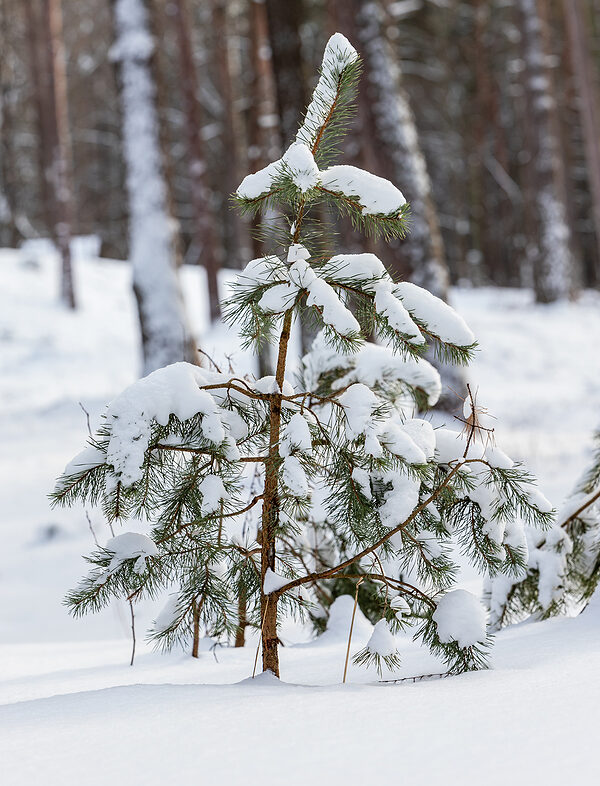
Evergreens are particularly at risk. Species like Arborvitae, Junipers, and young Pines hold their needles year-round. This foliage acts like a net, catching and holding onto snow. Because they don’t drop their leaves, they accumulate significantly more weight than their deciduous counterparts. Multi-stemmed evergreens, like certain Arborvitae varieties often used for privacy hedges, are notorious for splaying open under the weight of snow, causing the stems to split at the base.

Fast-growing deciduous trees also face challenges. Trees that prioritize rapid vertical growth often have wood that is more brittle or soft. Species like the Silver Maple or Bradford Pear (though often discouraged for other reasons) are prone to breakage. Even sturdier hardwoods like Oaks and Maples, when very young, have not yet developed the rigid lignin structure that gives mature trees their strength.

Additionally, trees with narrow crotch angles—where a branch meets the trunk at a sharp “V” rather than a wide “U”—are structurally weaker. These unions are weak points where snow and ice can easily cause splitting.

Ask Us About Our Tree Care Solutions in Indianapolis

Proactive Measures: Before the Storm Hits

The best defense against snow damage happens long before the first snowflake falls. Preparing your young trees in late autumn can make a significant difference in their survival rates.

Structural Pruning

Proper pruning is the foundation of a strong tree. By removing co-dominant stems (two stems competing to be the main leader) and branches with weak attachments, you eliminate likely failure points. Pruning encourages a strong central leader and good spacing between branches, allowing wind and snow to pass through more easily rather than accumulating.

Staking and Cabling

For very young trees or those in windy locations, staking can provide necessary support. However, it is crucial to do this correctly. The goal is to support the tree, not immobilize it. Use wide, soft strapping materials rather than wire or hose, which can girdle the trunk. For multi-stemmed evergreens prone to splaying, you can loosely tie the stems together with arbor tie or even biodegradable twine to help them hold their shape against the weight of the snow.

Hydration and Mulching

A hydrated tree is a flexible tree. Ensure your trees are well-watered right up until the ground freezes. Dry, brittle wood snaps much faster than hydrated wood. Apply a 2-to-3-inch layer of organic mulch around the base (keeping it away from the trunk itself) to regulate soil temperature and retain moisture.

Managing the Weight During and After Snowfall

When a heavy snowstorm strikes, the urge to “help” your trees can be strong, but improper intervention can cause more harm than good.

If you notice your young trees bending under the weight of snow, be gentle. Do not shake the tree violently. Frozen branches are incredibly brittle; a sharp shake can snap a branch that was merely bending. Instead, use a broom to gently brush the snow off the branches, moving from the bottom of the tree upward. Sweeping upward reduces the chance of adding weight to lower branches as snow falls from above.

If the snow has already frozen onto the branches or is coated in ice, do not attempt to remove it. Trying to chip away ice or break off frozen snow will almost certainly damage the bark or break the branch. In these cases, it is best to let nature take its course. The tree will likely slowly return to position as the ice melts.

Recovery and Spring Maintenance

Once the snow melts and spring arrives, it is time to assess the damage.

If a tree is bent, give it time. Many young trees have remarkable elasticity and will straighten up on their own as the sap begins to flow. If a tree is leaning significantly due to root shifting, it may need to be staked upright for a growing season to re-establish its anchorage.

If branches are broken, clean cuts are essential. Use sharp pruning shears to make a clean cut back to the branch collar (the swollen area where the branch meets the trunk). Do not leave jagged stubs, as these are entry points for pests and diseases. If the main leader has snapped, you may need to train a side branch to become the new leader, a process often best left to professional tree service technicians.

In Summary

Trees are an investment in the future of your property. They provide shade, beauty, and increased property value. However, the first few years of a tree’s life are critical. The effects of a heavy Indiana winter can undo years of growth in a single night if trees aren’t properly cared for.

By understanding the risks and taking a proactive approach to tree care—from proper species selection and pruning to careful snow removal—you can ensure your young trees mature into the majestic giants they are meant to be.

If you are concerned about the stability of your trees this winter, or if you need help assessing damage after a storm, don’t leave it to chance. The health of your landscape is too important.

Protect your trees this season. Contact our team for professional tree service in Indianapolis today for a consultation or winter preparation assistance.

Call Now to Book Service

Related Post: How to Manage Snow and Ice Accumulation on Landscaping Trees

Digging Deep into Green Living with Backyard Tree Planting
In our fast-paced world, where environmental concerns are increasingly at the forefront of our minds, taking small but impactful steps like planting a tree in your yard can make a significant difference. Not only does it contribute positively to the environment, but it also enhances the beauty and value of your home.

This post will guide Eco-conscious homeowners, gardening enthusiasts, and families with children through the process of planting a tree, while highlighting the numerous benefits it brings. From understanding the importance of tree planting to selecting the right tree and ensuring its long-term care, you’ll find everything you need to transform your yard into a greener, more vibrant space.

Call 317-348-0811 for Professional Tree Service in Indianapolis Indiana

Unearthing the Importance of Tree Planting

Trees are vital components of our ecosystem. They purify the air, provide shelter for wildlife, and help combat climate change by absorbing carbon dioxide. For homeowners, adding one or more trees to your yard can significantly improve the quality of life. Trees offer shade during hot summer days, reduce noise pollution, and enhance the aesthetic appeal of your property.

For families with children, planting a tree is not just an activity; it’s an opportunity to teach kids about nature and the importance of environmental stewardship. Watching a tree grow over the years can also be a powerful lesson in patience and nurturing. Additionally, instilling a love for nature early on can influence children’s lifelong habits and attitudes toward the environment.

Incorporating tree planting into your lifestyle is a simple yet effective way to contribute to a sustainable future. It allows you to play an active role in conserving the environment while reaping the personal and communal benefits of greener living.

The Perks of Planting Trees in Your Yard

Planting trees has a multitude of benefits that go beyond just beautifying your yard. One of the most significant advantages is the increase in property value. Homes with well-maintained landscaping, including mature trees, are often perceived as more desirable, potentially leading to higher resale values.

Trees also play a crucial role in energy conservation. By providing shade and acting as windbreaks, they can help reduce heating and cooling costs, making your home more energy efficient. Deciduous trees, for instance, offer cooling shade in the summer while allowing sunlight to warm your home in the winter when they lose their leaves.

Beyond the practical benefits, trees have a positive impact on mental health. Spending time in nature has been shown to reduce stress and promote relaxation. Having a tree-filled yard provides a natural oasis to unwind and enjoy the soothing sights and sounds of nature right at your doorstep.

Timing is Everything: When to Plant Your Tree

Choosing the right time to plant a tree is crucial for its survival and growth. Generally, the best time to plant trees is during the dormant seasons of spring and fall. During these periods, trees experience less stress and have time to establish roots before facing harsh weather conditions.

In spring, trees benefit from the warming soil temperatures and increasing daylight, which promote root development. This head start helps them acclimate to their new environment before the summer heat sets in. On the other hand, fall offers cooler temperatures and ample rainfall, reducing the need for constant watering and allowing trees to focus on root expansion.

However, the specific timing can vary depending on the type of tree and your local climate. It’s essential to research and understand the ideal planting conditions for the species you choose to ensure it thrives in your yard.

Picking the Perfect Tree for Your Space

Selecting the right tree for your yard involves considering several factors, including the size and shape of the tree, its growth rate, and its compatibility with your local climate and soil conditions. Start by assessing the available space and envision how the tree will fit into your landscape as it matures.

Consider the purpose of the tree as well. Are you looking for shade, privacy, or aesthetic appeal? If you’re seeking shade, large deciduous trees like oaks and maples are excellent choices. For privacy, evergreen trees such as pines and spruces provide year-round coverage.

Additionally, think about the maintenance requirements of the tree. Some species require more care than others, so choose one that aligns with the amount of time and effort you’re willing to invest in its upkeep. Consulting with local nurseries or arborists can provide valuable insights into the best tree species for your specific needs.

Prepping for Success: Planning and Preparing

Proper planning and preparation lay the foundation for a successful tree-planting experience. Begin by identifying the optimal location in your yard, considering factors like sunlight exposure, proximity to structures, and soil drainage. Ensure that there is enough space for the tree to grow without interfering with utility lines or other plants.

Once you’ve chosen the location, test the soil to determine its pH and nutrient levels. Most trees prefer well-draining soil, so consider amending it with organic matter if necessary. Adequate soil preparation enhances root development and improves the tree’s overall health.

Gather the necessary tools and materials, including a shovel, a watering can or hose, mulch, and stakes if needed. Having everything ready before planting day ensures a smooth and efficient process.

Mastering the Planting Process

The actual process of planting a tree involves several key steps that, when done correctly, set the stage for healthy growth. Begin by digging a hole that is twice as wide and just as deep as the tree’s root ball. This allows the roots to spread easily and establish themselves in the soil.

Carefully remove the tree from its container, handling it by the root ball to avoid damaging the trunk or branches. Place the tree in the center of the hole, ensuring that the top of the root ball is level with the surrounding soil. Backfill the hole with soil, gently tamping it down to eliminate air pockets.

Water the tree thoroughly after planting to help settle the soil and remove any remaining air pockets. A slow, deep watering encourages deep root growth and provides the tree with the moisture it needs to thrive in its new environment.

Nurturing Your Tree Post-Planting

Post-planting care is critical to the tree’s successful transition and continued growth. Consistent watering is essential, particularly during the first few years, as the tree establishes its root system. Aim to keep the soil consistently moist but not waterlogged.

Mulching around the base of the tree helps retain moisture, regulate soil temperature, and suppress weed growth. Apply a layer of mulch a few inches thick, ensuring it doesn’t touch the tree’s trunk to prevent rot.

Regularly inspect the tree for signs of pests or diseases, and address any issues promptly. Pruning may be necessary to remove dead or damaged branches and promote healthy growth. By providing attentive care and maintenance, you’ll ensure your tree’s health and longevity.

Reaping the Rewards of Long-Term Benefits

Planting a tree in your yard yields long-term benefits that extend beyond your immediate surroundings. Trees enhance biodiversity by providing habitat and food for various wildlife species, contributing to a thriving ecosystem in your backyard.

Furthermore, trees play a vital role in improving air quality by absorbing pollutants and releasing oxygen. They also sequester carbon dioxide, helping mitigate the effects of climate change. By planting a tree, you’re actively participating in the fight against environmental challenges.

The presence of trees in urban and suburban areas has been linked to improved mental and physical well-being. Their calming effect can reduce stress, encourage outdoor activities, and foster a sense of connection with nature.

Inspiring Others to Join the Tree Planting Movement

Encouraging tree planting within your community amplifies the positive impact on the environment and fosters a sense of unity among neighbors. Consider organizing local tree-planting events or joining existing initiatives to increase awareness and participation.

Share your experiences and knowledge with others, empowering them to take action in their own yards. Collaborate with schools, community centers, and environmental organizations to promote the benefits of tree planting and provide resources for those interested in getting started.

By working together, communities can create greener, healthier environments that benefit everyone. The cumulative effect of individual efforts can lead to a significant positive change in both the local and global ecosystems.

Summary

In conclusion, planting a tree in your yard is a rewarding endeavor that offers numerous benefits for your home, community, and the environment. From enhancing property value to improving air quality, trees play an integral role in promoting a sustainable future.

As you embark on your tree-planting journey, remember that you’re contributing to a legacy of environmental stewardship. By choosing the right tree, providing proper care, and inspiring others to join the movement, you can make a lasting impact on the world around you.

For those seeking professional assistance or guidance, consider reaching out to a tree care expert. They can offer valuable insights and ensure your tree thrives for generations to come, further enhancing the beauty and sustainability of your home.

Are you looking for some tree work for your home or business? Contact Timberland Tree Care at 317-348-0811 for licensed and insured tree services in Indianapolis, Indiana. We serve residential and commercial customers.

Related Posts:

The Benefits of Planting Trees on Arbor Day
How to Plant a Pecan Tree in Fall
Essential Guide to Caring for Newly Planted Trees

Environmental Threats That Will Kill Your Landscaping Trees

Trees, just like all other landscaping, gardens, and flower beds, are susceptible to damage and injury all year long. There are various elements, conditions, circumstances, pests, diseases, and more that can hurt a tree and potentially cause death. Do what are these things that can harm your trees and how can you prevent something like this from happening?

Continue reading and learn what outside elements and influences can damage or kill your trees, and who to call for more information about tree care and protection.

Winter Tree Service Indianapolis Indiana
Winter Tree Service Indianapolis Indiana 317-348-0811

Inclement Weather is the #1 Threat

Storms, harsh weather, freezing temperatures, and other types of elemental conditions can damage, harm, or kill trees. In freezing temperatures, the ground around the base of a tree can freeze up.  When this happens, the underground soil around the roots freezes as well, causing damage to the root system.  On top of frozen soil, tree fissures can begin to develop, causing cracks, crevices, and peeling in tree bark. Loose or fallen bark exposes the inner tree trunk, making it more vulnerable to damage as well. 

Harsh winter storms and winds can easily break weak or damaged tree limbs and branches.  When snow accumulates on tree branches, they can weaken and eventually break off. A heavy branch can cause massive amount of destruction if it falls on a roof, or even worse, a person.  Exposed and bare trees are also susceptible to sun scalding.  This is when the bark of the tree weakens and peels from too much sunlight. 

Pest Outbreaks and Tree Diseases

Just like animals and humans, trees can fall ill as well.  There are a few common tree diseases and threats that can jeopardize the well-being of any landscape.  For example, tree can sometimes have pest control problems.  Insects such as Ash Borers, wood beetles, and other sapsuckers like to feed on sugar-rich inner tree bark and can damage trees from within.  They can build nests and use up all the tree’s nutrients for their own gain.  When a tree is being robbed of all its nutrients, it will not survive.  Other tree diseases include leaf wilt, leaf scorch, tree blight, fungus growth, bacterial growth, viruses, slime flux, and more.

Additional Threats to Trees

There are several things that can cause damage to trees or kill trees.  It all depends on a tree’s surrounding environment and the extent of care it receives.  For example, trees can be damage by animals, children, moving, construction, and much more.  Additional influences that can damage or kill trees in residential or commercial areas include gas leaks, lawnmowers, air pollution, fire damage, nuisance animals, improper pesticide application, girdling roots, poor water drainage, lack of moisture or water, underground utility lines, transplant shock, gradation changes, septic tanks, weedkillers or herbicides, wire fences, and puncture wounds.

Hire a Tree Service Company to Be Sure Your Trees are Safe

It is important to first identify the type of issue your trees are experiencing, and then call a professional tree care company for information, estimates, and advice on what steps to take next in order to see your trees. It is recommended to have your trees inspected by a licensed Indianapolis tree care company to be sure they are actually vulnerable to any of the above mentioned conditions or situations.  A professional tree service contractor can advise you on how to further protect your trees from harm.

Indianapolis Indiana Tree Services at the Most Competitive Prices Around

Call Timberland Tree Care at 317-348-0811 to schedule your needed Indianapolis tree services for your residential or commercial property. Whether you suspect your trees are dead and need removed, or you are unsure about the health and safety of your landscaping trees this winter, we are licensed and experienced tree care contractors who can help. We offer a wide range of professional tree work at all scopes, from tree and stump removal, to lot clearing, routine tree service, and much more.

Timberland Tree Care Indianapolis, Indiana
Timberland Tree Care 317-348-0811