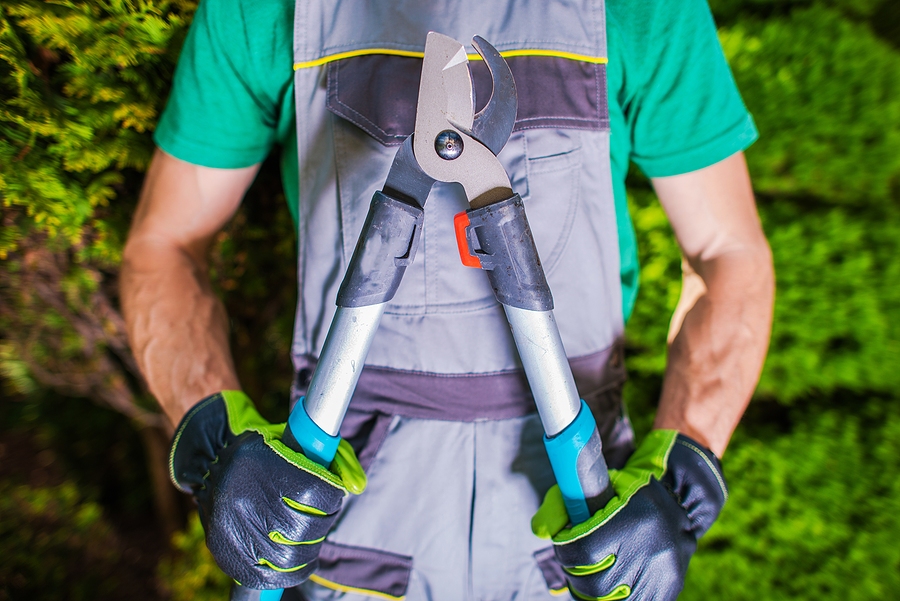
Why You Should Prune Trees: Essential Care for a Healthy Landscape

Your trees are magnificent living structures that enhance your property’s beauty and value, but without proper care, they can become safety hazards or decline in health. Tree pruning stands as one of the most important maintenance practices every homeowner should understand and implement regularly.

Pruning trees isn’t just about making them look neat—it’s a comprehensive approach to maintaining tree health, ensuring safety, and maximizing the aesthetic appeal of your landscape. When done correctly, pruning can extend a tree’s lifespan, prevent costly damage to your property, and create a more beautiful outdoor environment for you and your family to enjoy.

Many homeowners feel uncertain about when and how to prune their trees, often leading to neglect or improper techniques that can harm rather than help. Understanding the fundamentals of tree pruning empowers you to make informed decisions about your landscape’s care and know when professional intervention might be necessary.

Call 317-348-0811 for Professional Tree Pruning in Indianapolis Indiana

The Remarkable Value of Pruning Trees

Health Benefits That Transform Your Trees

Proper tree pruning creates a foundation for robust tree health by improving air circulation throughout the canopy. When branches are overcrowded, moisture becomes trapped, creating ideal conditions for fungal diseases and pest infestations. Strategic pruning allows air to flow freely through the tree, reducing humidity levels and helping prevent these common problems.

Sunlight penetration represents another crucial health benefit of regular pruning. Dense canopies block sunlight from reaching inner branches and the ground below, weakening the tree’s overall structure. By selectively removing branches, you enable sunlight to nourish all parts of the tree, promoting stronger growth and healthier foliage.

The cleaning technique—removing dead, diseased, or damaged branches—prevents decay from spreading to healthy parts of the tree. These problematic branches drain energy from the tree and can become entry points for harmful organisms. Regular removal keeps your trees vigorous and resilient.

Aesthetic Benefits That Enhance Your Property

Tree shaping through careful pruning transforms ordinary trees into stunning landscape features. Whether you’re working with the elegant birch, sturdy oak, vibrant maple, resilient ash, or versatile arborvitae, proper pruning enhances each species’ natural beauty and growth patterns.

Pruning techniques like reduction can help maintain appropriate tree size for your property, preventing trees from overwhelming smaller spaces or interfering with structures. The raising technique removes lower branches to improve visibility and create clearance for walkways, driveways, and outdoor activities.

Well-pruned trees contribute significantly to your property’s curb appeal and overall value. A landscape with healthy, properly maintained trees creates a welcoming atmosphere and demonstrates thoughtful property care that potential buyers and neighbors appreciate.

Safety Benefits That Protect Your Investment

Dead or weakened branches pose serious risks during storms, potentially causing property damage or personal injury. Regular pruning identifies and removes these hazards before they become dangerous, protecting your home, vehicles, and family members.

Power line clearance represents a critical safety consideration that requires careful attention. Branches growing too close to utility lines can cause power outages, fires, or electrocution hazards. Understanding utility clearances and maintaining appropriate distances keeps your property safe and prevents costly utility company interventions.

Structural pruning helps develop strong branch architecture, reducing the likelihood of branch failure during severe weather. This proactive approach prevents emergency situations and protects your investment in your landscape.

Optimal Timing for Pruning Trees

The Dormant Season Advantage

The dormant season, typically late fall through early spring, provides ideal conditions for most tree pruning activities. During this period, trees conserve energy and healing processes work most efficiently. Pruning during dormancy minimizes stress and reduces the risk of pest attraction to fresh cuts.

Winter pruning offers excellent visibility of tree structure without leaf coverage, making it easier to identify problematic branches and plan strategic cuts. This clarity helps ensure proper technique application and better overall results.

Different tree species have varying dormancy periods, so understanding your specific trees’ needs helps optimize timing. Oak trees, for example, should be pruned during their deepest dormancy to prevent oak wilt disease transmission.

Post-Flowering Considerations

Some flowering trees require pruning immediately after blooming to avoid removing next year’s flower buds. Understanding your trees’ blooming cycles ensures you maintain both health and aesthetic appeal.

Spring-flowering trees typically set buds for the following year shortly after current blooms fade, making timing crucial for maintaining floral displays. Summer-flowering trees generally offer more flexibility in pruning timing since they bloom on current-year growth.

View Our Affordable Tree Pruning Solutions 🌳✨

Why Choose Professional Tree Service

Expertise and Knowledge Application

Professional tree service companies bring extensive training and experience to tree pruning projects, understanding species-specific needs and growth patterns. This expertise ensures appropriate techniques for birch, oak, maple, ash, arborvitae, and other species in your landscape.

Certified tree pruners follow ANSI A300 standards for professional tree care, ensuring work meets industry best practices and safety requirements. These standards provide comprehensive guidelines for proper pruning techniques and safety protocols.

Disease and pest management expertise helps professionals identify early warning signs of problems that untrained eyes might miss. Early intervention prevents minor issues from becoming major threats to tree health.

Safety and Risk Management

Professional tree services possess specialized safety equipment and training for working at heights and around power lines. This expertise prevents accidents and ensures compliance with local regulations regarding utility clearances.

Insurance coverage protects your property during pruning operations, providing peace of mind that potential damages are covered. Reputable services carry comprehensive liability insurance and worker’s compensation protection.

Proper disposal of pruned materials eliminates cleanup responsibilities and ensures environmentally responsible waste management. Professional services handle debris removal efficiently, leaving your property clean and organized.

Essential Pruning Techniques

Core Pruning Methods

Thinning removes selective branches throughout the canopy to increase light penetration and air circulation without dramatically altering the tree’s shape. This technique maintains natural appearance while improving tree health.

Heading cuts branches back to buds or lateral branches, promoting denser growth in specific areas. This technique helps control size and shape while encouraging fuller canopy development.

Raising removes lower branches to provide clearance for structures, vehicles, and pedestrians while improving sight lines and accessibility around your property.

Reduction decreases overall tree size by cutting larger branches back to smaller lateral branches, maintaining natural appearance while managing growth.

Cleaning removes dead, diseased, damaged, or weak branches to improve overall tree health and appearance while eliminating potential hazards.

Common Mistakes That Harm Trees

Over-Pruning Dangers

Removing more than 25% of a tree’s canopy in a single season creates excessive stress that can weaken or kill the tree. Over-pruning reduces the tree’s ability to produce energy through photosynthesis and makes it vulnerable to environmental stresses.

Tree topping—cutting back large branches to stubs—represents one of the most harmful practices in tree care. This technique destroys natural tree structure, creates weak regrowth, and significantly shortens tree lifespan.

Improper Cutting Techniques

Making cuts too close to the trunk or too far from the branch collar interferes with natural healing processes and invites decay organisms. Proper cuts respect the tree’s natural defense mechanisms and promote healthy healing.

Using dull or damaged tools creates ragged cuts that heal poorly and attract pests and diseases. Sharp, clean tools make precise cuts that heal quickly and minimize tree stress.

Neglecting tree structure during pruning can create imbalanced growth patterns and weak branch attachments. Understanding natural growth patterns helps maintain structural integrity while achieving desired results.

In Summary

Regular tree pruning represents an investment in your property’s beauty, safety, and value that pays dividends for years to come. Whether you choose to tackle smaller pruning projects yourself or rely on professional expertise for comprehensive care, consistent attention to your trees’ needs ensures they remain healthy, attractive assets to your landscape.

The techniques, timing, and safety considerations outlined here provide a foundation for making informed decisions about your trees’ care. Remember that proper pruning is both an art and a science that requires understanding, patience, and respect for these magnificent living structures.

Don’t wait until problems become emergencies or minor issues develop into major concerns. Schedule a free pruning consultation with Timberland Tree Care today to assess your trees’ needs and develop a comprehensive care plan that protects your investment and enhances your outdoor living environment. Serving all of Indianapolis and Central Indiana.

Book a Free Assessment Now

Related Post: The Hidden Risks of Over-Pruning Trees and How to Avoid Them

7 Warning Signs You Need Professional Tree Removal

Trees add beauty, shade, and value to your property, but they can also pose serious risks when their health deteriorates. A damaged or dying tree isn’t just an eyesore—it’s a potential hazard that could cause property damage, personal injury, or even death. Understanding the warning signs of a hazardous tree can help you make informed decisions about tree removal before disaster strikes.

Recognizing when a tree has become dangerous requires careful observation and knowledge of what to look for. Many homeowners assume that standing trees are stable, but the reality is that compromised trees can fail without warning. Storm damage, disease, pest infestations, and natural aging all contribute to tree instability.

Professional tree removal may seem like a significant expense, but the cost of removing a hazardous tree is minimal compared to the potential damage it could cause. Insurance claims from fallen trees can reach tens of thousands of dollars, not to mention the risk to human life.

Call 317-348-0811 to Request a Free Tree Removal Estimate in Indianapolis Indiana

Tree Removal Signs to Be On the Look Out For

❶ Visible Signs of Decay or Rot

One of the most obvious indicators that you need dead tree removal is the presence of visible decay or rot. When trees show extensive rot at the base, the structural integrity of the entire tree becomes compromised. Look for soft, spongy wood, discolored bark, or areas where the bark has fallen away to reveal decaying wood underneath.

Fungal growth around the base of the tree is another red flag. Mushrooms, conks, or other fungi growing on or around the tree trunk indicate internal decay. These organisms feed on dead and dying wood, which means the tree’s structural integrity is already compromised.

The root system is equally important to examine. If you notice significant decay in the root flare area where the trunk meets the ground, the tree may no longer have adequate support. Trees with extensive root rot are particularly dangerous because they can fall without warning, even in mild weather conditions.

❷ Hollow Trunk or Large Cavities

A hollow trunk or large cavities in the tree are serious structural concerns that often necessitate tree removal. While some trees can survive with hollow sections, the remaining wood may not provide sufficient support, especially during high winds or storms.

Cavities can form from various causes, including previous storm damage, improper pruning, or natural decay processes. These openings allow moisture, insects, and diseases to penetrate deeper into the tree, accelerating the deterioration process.

When evaluating cavities, consider both their size and location. Large cavities that compromise more than one-third of the tree’s circumference significantly weaken the structure. Professional arborists can assess whether the remaining wood is sufficient to support the tree safely.

❸ Leaning or Tilting Trees

A leaning tree doesn’t always require removal, but sudden changes in a tree’s angle are cause for concern. Trees that have developed a lean over many years often develop compensating root systems and may remain stable. However, trees that begin leaning suddenly pose immediate risks.

Recent storms or high winds can cause trees to shift, creating dangerous lean angles. If you notice a tree that wasn’t previously leaning has developed a noticeable tilt, especially after severe weather, contact a tree service company immediately for assessment.

Root damage is often the culprit behind leaning trees. Construction activities, soil erosion, or root rot can compromise the anchor system, causing the tree to lose stability. Look for exposed roots, soil mounding on one side of the tree, or cracks in the ground around the base.

Contact Us for Expert Tree Removal 🪚

❹ Dead or Hanging Branches

Dead branches, also known as widow-makers, create immediate hazards that require prompt attention. These branches can fall without warning, potentially injuring people or damaging property below. While removing individual dead branches might seem sufficient, extensive dead wood throughout the canopy often indicates broader tree health issues.

Storm damage frequently creates hanging branches that remain partially attached to the tree. These compromised branches are unpredictable and dangerous, as they can fall at any time. Professional removal is essential for safely addressing hanging branches, particularly those in difficult-to-reach locations.

Large dead branches in the upper canopy are especially concerning near power lines or buildings. Even relatively small branches can cause significant damage if they fall from great heights. Regular inspection of the tree canopy can help identify these hazards before they become emergencies.

❺ Root Problems

Root system health is crucial for tree stability, yet root problems often go unnoticed until it’s too late. Visible root damage, such as severed roots from construction activities or trenching, can compromise the tree’s ability to remain upright.

Soil compaction from heavy machinery or excessive foot traffic can suffocate roots, leading to gradual decline and instability. Trees in urban environments are particularly susceptible to root problems due to limited growing space and various environmental stressors.

Signs of root distress include premature leaf drop, reduced leaf size, sparse foliage, and overall decline in tree vigor. While these symptoms can indicate various problems, root issues often require tree removal when the damage is extensive enough to compromise stability.

❻ Pest Infestation or Disease

Certain pest infestations and diseases can make tree removal necessary for both safety and environmental reasons. Ash trees showing signs of emerald ash borer infestation typically require removal, as this invasive pest is nearly always fatal to ash trees.

Bark beetles create distinctive patterns of tunnels under the bark, weakening the tree’s ability to transport nutrients and water. Heavy bark beetle infestations often result in rapid tree decline and death, making removal necessary to prevent the spread to nearby trees.

Diseases like Verticillium wilt can cause sudden branch death and overall tree decline. While some trees can survive with proper treatment, severely affected trees may pose safety risks and require removal. A qualified arborist can help determine whether treatment is viable or if removal is the safer option.

❼ Proximity to Structures and Power Lines

Trees near power lines or buildings require special consideration, even when they appear healthy. As trees grow, they may encroach on power lines, creating fire hazards and potential electrical dangers. Utility companies often require tree removal when branches grow too close to power lines.

The proximity of trees to buildings becomes particularly concerning when combined with other risk factors. A tree showing signs of decline near a house, garage, or other structure poses significantly higher risks than the same tree in an open area.

Consider the potential fall zone when evaluating trees near structures. A tree’s height typically determines its potential impact radius, so even healthy trees may require removal if they’re tall enough to reach buildings or other valuable assets if they were to fall.

Understanding Tree Removal Costs and Logistics

Tree removal costs vary significantly based on several factors. Tree size and height have the most substantial impact on pricing, as larger trees require more time, labor, and specialized equipment. A small tree might cost a few hundred dollars to remove, while large trees can cost several thousand dollars.

Location affects pricing considerably. Trees in easily accessible areas cost less to remove than those near buildings, power lines, or in confined spaces. Emergency tree removal services after storms typically cost more due to the urgent nature and potential hazards involved.

Many municipalities require permits for tree removal, especially for trees of a certain size or species. These permits add to the overall cost but are necessary to avoid legal issues. Trees on property lines require communication with neighbors and understanding of shared responsibilities.

Choosing Professional Tree Services

Finding a reputable tree service company like Timberland Tree Care in Indianapolis is crucial for safe and effective tree removal. Look for companies with proper licensing, insurance, and certifications from organizations like the International Society of Arboriculture. Get multiple quotes to ensure competitive pricing and compare the services included.

Emergency tree removal situations require immediate professional attention. Attempting to remove hazardous trees yourself can result in serious injury or death. Professional arborists have the training, equipment, and experience necessary to safely remove dangerous trees.

Conclusion

Recognizing the warning signs of hazardous trees empowers you to take proactive steps to protect your property and family. Regular tree inspections, especially after severe weather events, can help identify problems before they become emergencies.

Don’t wait until a tree poses immediate danger to seek professional assessment. Early intervention can sometimes save trees through proper treatment, but when removal is necessary, prompt action prevents more serious consequences. The investment in professional tree removal far outweighs the potential costs of property damage, injury, or liability issues.

If you’ve noticed any of these warning signs on your property, contact Timberland Tree Care, today. Get a free tree removal quote today to understand your options and ensure your property remains safe and beautiful.

Request Your Free Estimate Now

Related Post: When to Remove a Tree From Your Property

How Good Tree Care Can Improve Curb Appeal for Homes and Businesses

When it comes to creating a lasting first impression, curb appeal plays a pivotal role. For both homeowners and business owners, the exterior of a property is a reflection of care, style, and value. Among the many elements that contribute to curb appeal, properly maintained trees hold a unique position. They not only enhance aesthetic appeal but also offer a host of environmental and economic benefits.

If you’ve been wondering how tree maintenance can elevate your property’s curb appeal, this guide is here to walk you through everything you need to know—from understanding the impact of trees to actionable steps for their care.

Call 317-348-0811 for Local Tree Service in Indianapolis Indiana

The Transformative Impact of Trees on Curb Appeal

Healthy trees are more than just landscaping features. They provide:

  • Shade and Structure: Mature trees create visual depth and provide shade, making properties look more inviting.
  • Seasonal Beauty: Flowering trees and those with vibrant fall foliage introduce color and texture.
  • A Natural Backdrop: Trees soften architectural lines and add balance to outdoor spaces.

Well-maintained trees enhance property aesthetics by showing that the owners or managers care for their environment. This care translates into increased property value, making trees a wise long-term investment.

Common Tree Diseases and Pests in the Midwest

Tree health is vital to maintaining their positive impact on curb appeal. Unfortunately, trees in the Midwest face threats from specific diseases and pests. Here’s what to look out for:

Emerald Ash Borer

A destructive pest that targets ash trees, the emerald ash borer has devastated populations across the Midwest. If you have ash trees, look for signs like thinning crowns and vertical cracks in the bark.

Prevention Tips:

  • Use pest-resistant varieties.
  • Apply systemic insecticides during the growing season.
  • Consult a certified arborist for treatment planning.

Oak Wilt

A fungal disease that attacks oak trees, oak wilt can spread quickly, especially among red oaks.

Prevention Tips:

  • Avoid pruning oaks between April and July, when beetles capable of spreading the fungus are most active.
  • Ensure tree wounds are sealed immediately.

Anthracnose

This tree fungal disease causes defoliation and browning of leaves in species like sycamore and maple.

Prevention Tips:

  • Prune infected branches in the dormant season.
  • Avoid overhead watering.

Detecting tree health issues early can prevent them from escalating into costly problems. Regular inspections make all the difference.

Contact Us for Affordable Indy Tree Service!

Essential Tree Care Practices for Healthier Trees

You don’t need to be an arborist to practice good tree care. Routine tree maintenance tasks are simple but highly effective. Here’s what you should focus on:

✅ Pruning

  • Remove dead or damaged branches to encourage healthier growth.
  • Maintain an appealing shape to enhance aesthetic value.

✅ Mulching

  • Add a 2–4 inch layer of mulch around the base of the tree to retain moisture and suppress weeds.
  • Avoid piling mulch directly against the trunk, which can lead to rot.

✅ Deep Watering

  • Water deeply and less frequently to encourage strong root systems.
  • Target young or newly planted trees, particularly during dry spells.

✅ Fertilizing

  • Use slow-release fertilizers to provide essential nutrients.
  • Conduct a soil test to avoid over-fertilization.

By committing to these simple practices, you can ensure your trees remain an attractive feature on your property.

Choosing the Right Trees for Your Property

The key to maximizing curb appeal lies in selecting trees that compliment your property’s style and thrive in the local Midwest climate.

Best Tree Species for the Midwest

  • Oak Trees (e.g., Bur Oak): Perfect for large properties due to their majestic size.
  • Maple Trees (e.g., Red Maple): Known for their vibrant fall colors.
  • Flowering Dogwood: A smaller tree that offers a beautiful spring bloom.

Consider Climate and Soil

  • Opt for native species that are well-adapted to Midwest weather patterns.
  • Match tree species with your soil’s drainage and composition.

Choosing the right trees is as much about aesthetics as it is about long-term sustainability, so research your options thoroughly.

DIY vs. Professional Tree Care

While some tasks can easily be handled as DIY projects, others require the expertise of professionals. Here’s how to decide:

When to Possibly “DIY”

  • Routine tasks like mulching, watering, and light pruning.
  • Inspecting trees regularly for signs of pests or diseases.
  • Installing protective barriers against mowers.

When to Call the Pros

  • Large tree pruning or removal, which involves potential safety risks.
  • Diagnosing and treating diseases or severe pest infestations.
  • Cabling or bracing for structural stability.

Professional tree services may appear more expensive upfront, but they’re worth the investment in terms of safety, expertise, and long-term property value.

The Long-Term Benefits of Investing in Tree Care

Beyond immediate curb appeal, good tree care delivers long-lasting rewards:

  • Economic Value: Healthy, mature trees can increase property values by 7–19%.
  • Environmental Impact: Trees provide shade that reduces cooling costs, improve air quality, and support biodiversity.
  • Community Aesthetics: A tree-lined street creates a welcoming neighborhood, benefiting businesses and homes alike.

By dedicating time and resources to proactive tree care, property owners can enjoy significant environmental and aesthetic returns.

Bring Your Property to Life with Proper Tree Care

Your property’s curb appeal is more than just a visual statement. It reflects care, attention, and value that resonates with visitors, clients, and even prospective buyers. With proper tree maintenance, you can enhance aesthetics, boost property value, and contribute to environmental sustainability.

Whether you’re planting your first sapling or managing mature trees, remember that every action counts. By balancing routine DIY tasks with professional expertise, you can ensure your trees thrive for years to come.

Take the next step today. Contact Timberland Tree Care in Indianapolis to schedule a no-fee consultation with our certified arborists and transform your property’s curb appeal through expert tree care.

Book a Free On-Site Assessment Now

Related Post: Top 5 Reasons Your Tree Looks Unhealthy

Tree Care Tips for Ash Trees in Indiana

Ash trees are a staple of Indiana’s landscape, recognized for their beauty and environmental benefits. However, they face a significant threat from the emerald ash borer (EAB), an invasive pest that has devastated ash populations across the state. Proper care and preventative measures are essential if you’re an Indiana homeowner, landowner, or property manager looking to protect ash trees on your property.

This guide will explore how to care for your ash trees, identify the signs of trouble, and take action to preserve these vital members of Indiana’s ecosystem.

Call 317-348-0811 for Ash Tree Service in Indianapolis Indiana

Introduction to Ash Trees in Indiana

Why Ash Trees Matter

Ash trees are an integral part of Indiana’s ecosystem, providing shade, improving air quality, and supporting local wildlife like birds and insects. Their strong wood is also valued for furniture and tool-making, making their preservation even more crucial.

The Emerald Ash Borer Threat

The emerald ash borer (EAB) is an invasive beetle that has caused widespread destruction of ash trees across North America since its discovery in the U.S. in 2002. These pests kill trees by burrowing beneath the bark, disrupting the tree’s nutrient flow. Without intervention, EAB infestation nearly always results in the tree’s death.

Identifying Ash Trees

Correctly identifying ash trees is vital for effective care, as improper identification can lead to incorrect treatments or overlooking warning signs.

Key Characteristics of Ash Trees

  • Leaves: Compound leaves, with 5-11 leaflets per stem, typically arranged in an opposite pattern.
  • Bark: Young trees have smooth bark, while mature trees develop diamond-shaped ridges.
  • Branching: Opposite branching is a signature trait of ash trees.

How to Differentiate Ash Trees from Look-Alikes

Ash trees are often confused with black walnut or boxelder trees. Focus on traits like opposite branching and the specific structure of their leaves to make an accurate identification.

Not sure if your tree is an ash? Consult a professional tree care company for confirmation.

Essential Care Tips for Ash Trees

Healthy ash trees are more likely to withstand pests, diseases, and environmental stress. Follow these foundational care practices to keep your trees thriving:

1. Watering and Fertilization Guidelines

Watering:

  • Trees need about 1-2 inches of water per week.
  • Water deeply, especially during dry spells, to prevent drought stress.

Fertilization:

  • Conduct a soil test to identify nutrient deficiencies.
  • Apply slow-release fertilizer in the early spring or fall to promote steady growth without overloading the tree.

2. Pruning Techniques and Timing

Regular pruning enhances tree structure and removes dead or diseased branches:

  • Best time to prune ash trees is late winter or early spring, before new growth starts.
  • Avoid excessive pruning, as this weakens the tree and creates entry points for pests like EAB.

3. Mulching for Soil Health

  • Apply a 2-3 inch layer of organic mulch around the base of the tree, but avoid piling it against the trunk (“volcano mulching”).
  • Mulch helps retain soil moisture, regulate temperature, and suppress weed growth.

Contact Us for Ash Tree Maintenance

Protecting Ash Trees from the Emerald Ash Borer

The emerald ash borer poses the most significant challenge for ash tree care in Indiana. Here’s how to protect your trees:

Signs of EAB Infestation

  • Thinning Canopy: A thinning or dying canopy is often one of the first signs of infestation.
  • Epicormic Shoots: New shoots growing from the tree’s trunk or base indicate stress.
  • “D”-Shaped Holes: EAB adults leave small, D-shaped exit holes in the bark.
  • S-Shaped Galleries: Beneath the bark, larvae create S-shaped tunnels that disrupt nutrient flow.

Preventative Treatments

Systemic Insecticides:

  • Soil drenches, trunk injections, or bark sprays are effective against EAB larvae.
  • Common active ingredients include emamectin benzoate, azadirachtin, and imidacloprid.

Timing Treatments:

  • The best time for applications is late spring or early summer, aligning with the EAB lifecycle.

Consider Professional Help

Due to the complexity of applying EAB treatments, hiring a certified arborist is strongly recommended. Arborists can:

  • Accurately assess the infestation and recommend the best treatment.
  • Use safe and effective methods compliant with Indiana regulations (e.g., avoiding insecticide use near waterways).

When to Remove Infested Trees

Severely infested or dying trees may need to be professionally removed to prevent the further spread of EAB. Tree removal should always be a last resort and should follow Indiana DNR guidelines.

Frequently Asked Questions (FAQ)

How do I keep my ash tree healthy?

Water regularly, fertilize as needed, mulch for soil health, and prune during the appropriate season. Regularly monitor your tree for signs of pests or disease.

What time of year should you treat ash trees?

Preventative treatments for EAB are most effective in late spring or early summer.

What are the disadvantages of an ash tree?

Ash trees are highly susceptible to EAB infestations. They also require consistent maintenance and monitoring to stay healthy.

Why are all my ash trees dying?

EAB is the most likely culprit. Examine your trees for signs of infestation, such as thinning canopies, epicormic shoots, or D-shaped exit holes.

Can I plant alternatives to ash trees in Indiana?

Yes! Consider native tree species like oak, hickory, or serviceberry for planting. These trees offer similar ecological benefits and are less susceptible to pests like EAB.

Preserving Indiana’s Ash Trees for Generations

Ash trees are a vital part of Indiana’s natural heritage, but protecting them from threats like EAB requires proactive care. From proper watering and pruning to timely treatments and professional support, every action you take contributes to the health of your trees and the sustainability of your environment.

If you need help with routine tree service or tree removal, our certified specialists are here to guide you every step of the way. Contact Timberland Tree Care today to protect your trees and your property.

Request a Free Estimate

Related Post: Indications of an Emerald Ash Borer Tree Infestation

Enhancing Tree Safety on Your Property

Ensuring tree safety isn’t just about aesthetics; it’s about protecting your family, property, and the environment. Every tree on your property plays a crucial role in the ecosystem while also adding beauty and value to your landscape. However, a leaning tree, storm-damaged branches, or unnoticed tree diseases can pose significant hazards if left unchecked.

This guide will walk you through essential steps for maintaining tree safety—from regular inspections to emergency care. By following these practices, you can create a safer and healthier outdoor space for years to come.

Call 317-348-0811 for Emergency Tree Service in Indianapolis

The Role of Regular Tree Inspections

The foundation of tree safety begins with routine inspections. This keeps you informed about tree health and alerts you to potential hazards before they become dangerous.

Why are Inspections Important?

Tree care is much more manageable when issues are identified early. Dead or hanging branches, visible root damage, or signs of disease can not only harm your tree but also jeopardize surrounding structures, vehicles, and people.

What to Look For

  • Dead or Hanging Branches: Branches that appear dry, cracked, or dangle risk falling unexpectedly.
  • Visible Root Damage: Exposed or damaged roots may signal that the tree’s stability is compromised.
  • Leaning Trees: Sudden leaning can indicate root failure or soil erosion.
  • Pests and Diseases: Look for unusual leaf discoloration, wood-boring insect holes, or fungal growths such as mushrooms near the base.

Professional Inspection Services

A certified arborist can perform a more detailed assessment. They’ll evaluate structural weaknesses, test soil health, and recommend action steps to ensure tree safety. Homeowners and property managers alike can benefit from scheduling annual tree inspections.

Identifying Potential Tree Hazards

Recognizing risks is key to preventing accidents and minimizing damage. Trees may harbor invisible dangers that require closer examination.

Common Tree Hazards

  • Storm-Damaged Trees: Strong winds and heavy rain are notorious for splitting trunks or causing limb breaks. After a storm, inspect your trees for cracks or hanging branches.
  • Overgrown Trees: Excessively thick canopies block sunlight and airflow, weakening the tree.
  • Disease and Pests: Common tree diseases, such as root rot or powdery mildew, can deteriorate structural integrity. Pests like borers and aphids can further weaken the wood.

Local Regulations

Many municipalities enforce tree care laws. Before removing or significantly altering a tree, check local ordinances to see if permits are required. Additionally, some protected species have specific trimming or pruning restrictions. Always consult with your city’s arboriculture department for guidance.

Contact Our Tree Care Experts Today

Pruning and Maintenance Best Practices

Regular tree trimming and pruning aren’t just for appearance; they are vital to the health and safety of trees. Proper pruning techniques promote growth, reduce hazards, and improve overall tree health.

Benefits of Pruning

  • Hazard Reduction: Removes dead branches that pose a risk of falling.
  • Health Improvement: Eliminates diseased or pest-infested limbs.
  • Growth Direction: Ensures even, balanced growth for long-term stability.

Tree Pruning Tips

  • Cut the Right Way: Always make clean cuts at a downward angle near the branch collar to encourage proper healing and regeneration.
  • Time It Right: Prune trees during their dormant season to minimize stress and enhance recovery.
  • Hire Experts: For large trees or hazardous trimming projects, call a professional to avoid injuries or property damage.

Tree Support Techniques

  • Tree Staking: Provides support to young or recently transplanted trees to keep them upright.
  • Tree Cabling and Bracing: These methods offer additional structural reinforcement for mature trees prone to splitting or leaning.

Emergency Tree Care and Removal

Despite best practices, emergencies can happen. Whether it’s storm damage or disease beyond repair, swift action is crucial.

When to Remove a Tree

  • A tree shows severe leaning, especially if the soil around its base is disturbed.
  • It has significant signs of rot or decay, weakening its stability.
  • Damage from storms has left the trunk split or large limbs broken.

Hiring Professionals for Tree Removal

Tree removal is inherently dangerous and should only be performed by experienced professionals with proper equipment. Experts ensure safe disposal and can guide you through obtaining any necessary city permits.

Post-Storm Cleanup

After severe weather, inspect your property for lingering tree hazards. Professional tree service contractors can safely remove fallen branches and assess whether affected trees can recover or require removal.

Conclusion

Caring for the trees on your property is essential for maintaining safety, enhancing curb appeal, and promoting a healthy environment. Whether it’s routine maintenance, post-storm cleanup, or professional tree removal, placing your trust in skilled arborists ensures the job is done efficiently and safely. By investing in expert care, you not only protect your property but also contribute to the longevity of your landscape’s natural beauty. Always prioritize safety and professional expertise when addressing tree-related concerns.

Don’t wait until it’s too late. Take action today and safeguard your property while nurturing your trees for future generations. Contact Timberland Tree Care at 317-348-0811 for licensed and insured seasonal tree service in Indianapolis, Indiana.

Schedule a Tree Inspection

Related Post: Avoid Tree Hazards: Best Solutions for Maintaining Safe Trees on Your Property

The Hidden Risks of Over-Pruning Trees and How to Avoid Them 

When it comes to maintaining the beauty and health of your trees, pruning is an essential practice—but too much of a good thing can backfire. Over-pruning, though often a well-meaning effort, can lead to severe consequences for the health, structure, and long-term vitality of your trees. 

This guide takes you through the basics of proper tree care, the adverse effects of over-pruning, and how to ensure your trees stay healthy and strong with the right pruning techniques. Whether you’re an avid gardener, a homeowner, or simply someone who cares about the environment, understanding proper pruning methods can make all the difference. 

Call 317-348-0811 for Professional Tree Pruning in Indianapolis Indiana

Tree Pruning Basics 

Pruning trees is a technique used to maintain their health, improve structure, remove dead or unhealthy limbs, and promote growth. When done correctly, tree pruning offers numerous benefits, such as reducing the risk of falling branches, enhancing aesthetic appeal, and encouraging healthy fruit and flower production. 

Key benefits of correct pruning include:

  • Improved Plant Health: Removing dead, diseased, or infested branches prevents decay and promotes new growth.
  • Enhanced Safety: Pruning reduces the risk of weak or overgrown branches falling, especially during storms.
  • Better Growth Control: Directional pruning techniques keep trees well-proportioned and prevent overcrowding.

However, problems arise when pruning is overdone or improperly executed, leading to a condition referred to as over-pruning. 

The Consequences of Over-Pruning 

Over-pruning occurs when too many branches or foliage are removed at once, overstressing the tree. While the effects may not be immediately visible, the damages can affect the tree’s health and structure for years.

Here are some significant consequences to watch out for if over-pruning occurs:

1. Weakened Tree Structure 

Excessive pruning often forces a tree to develop water sprouts. These are weakly attached, fast-growing shoots that compete with the remaining branches and are more susceptible to breakage. Over-pruned trees also lose their balanced shape, increasing their vulnerability to wind damage and struggles to support their own weight.

For example, maples and oaks often respond to over-pruning by producing numerous water sprouts, weakening the tree’s structural integrity in the long term. 

2. Higher Risk of Disease 

Over-pruning exposes the tree to fungal diseases like Cytospora canker and bacterial infections such as fire blight. Pruning wounds create open access points for microorganisms to enter, especially when improper cuts or excessive removal significantly stress the tree. 

For example:

  • Birch trees, already prone to pests, become easy targets for fungal diseases after being over-pruned.
  • Arborvitae, once cut too severely, struggles to heal, creating opportunities for wood decay fungi to establish themselves.

3. Reduced Tree Vigor 

Leaves are critical to a tree’s photosynthesis process. When you remove more than 25% of the tree’s crown in one session, it limits the tree’s ability to generate energy, severely compromising its vitality. Over time, poor energy reserves may inhibit the tree’s natural growth cycle, leaving it in survival mode rather than thriving. 

4. Susceptibility to Pests 

Weakened by over-pruning, trees become more vulnerable to pests like boring insects. These pests target stressed or damaged trees, further exacerbating health problems and threatening the tree’s survival. 

Learn More About Professional Tree Pruning

How to Identify Over-Pruned Trees

If you suspect over-pruning might have impacted your tree, here are some telltale signs to watch for:

  • Excessive Water Sprouts: Numerous small, weak shoots sprouting along the trunk and main branches are often a response to over-pruning.
  • Sparse Leaf Canopy: A tree with noticeably sparse or uneven foliage coverage indicates over-pruning may have stripped it of crucial leaf mass.
  • Open Wounds or Large Cuts: Poor pruning cuts or removing large branches can create lasting damage.
  • Delayed Growth or Wilting: Trees weakened by over-pruning may show stunted growth and struggle to maintain their usual appearance.

How to Avoid Pruning Too Much

Proper pruning involves care, experience, and an understanding of each tree’s unique needs. By following professional pruning techniques, you can prevent over-pruning and preserve your tree’s health and beauty. Here are some best practices for proper tree care:

1. Understand the Species

Each tree species has its specific pruning requirements. For example:

  • Maple trees should be pruned in late winter or early spring for the best results. 
  • Arborvitae should only have light trims to avoid cutting into the bare interior sections as they don’t regenerate needles. 

2. Follow the 25 Percent Rule

Never remove more than 25% of the tree’s foliage in a single pruning session. Excessive removal leads to stress and limits the tree’s photosynthesis capacity. 

3. Make Clean, Strategically Placed Cuts

Pruning cuts should be clean and made at the proper angle along the branch collar to promote faster healing. Avoid leaving stubs or cutting into the trunk, as this can lead to decay. 

4. Prune During the Right Time of Year

Timing matters. Prune during the tree’s dormant season (typically late winter) to reduce stress and ensure vigorous regrowth in spring. Avoid pruning in the fall, as this can encourage fungus and disease due to slower healing. 

5. Regular Maintenance Is Key

Frequently inspect your trees and perform light pruning to remove dead or damaged branches. This minimizes the need for large, stressful cuts. 

6. Work With Professionals

For major pruning tasks or when dealing with large, mature trees, consult a certified arborist. Their experience ensures your trees receive expert care through proven pruning techniques.

In Summary

Trees are not just decorative but an essential part of a healthy, thriving landscape. Over-pruning not only jeopardizes their structure and longevity but also compromises the beauty and safety they bring. The good news? These consequences are entirely avoidable with the right knowledge and approach. 

If you’re unsure whether your trees have been over-pruned or you need assistance with pruning trees the right way, our certified arborists at Timberland Tree Care are here to help. Schedule a tree care consultation today, and we’ll ensure your trees get the expert treatment they deserve.

Request a Free Estimate Now

Related Post: Understanding the Science of Pruning: When and Where to Cut for Maximum Health Benefits

Why Is Your Tree Bark Splitting? Causes, Prevention, and Solutions

Have you noticed unsightly cracks or peeling bark on your tree? Splitting tree bark isn’t just a cosmetic issue; it can be a sign of deeper problems that could compromise your tree’s health and stability. Proper tree care is an essential part of home maintenance, and understanding the causes and solutions to bark damage is critical to protecting your landscape.

This post will explore the common causes of splitting tree bark, from environmental factors and pests to diseases and physical damage. You’ll also learn how to identify problems, take preventative action, and know when to call in professional tree services. Whether you’re caring for a maple, oak, birch, willow, or ash, this guide will help you protect your trees and your home’s curb appeal.

Call 317-348-0811 for Professional Indianapolis Tree Care Services

Common Causes of Splitting Tree Bark

Tree bark splitting can result from a variety of causes. Identifying the root of the issue is key to determining how to resolve it.

1. Environmental Factors

Extreme weather conditions, such as temperature fluctuations or prolonged drought, put trees under stress. When water is scarce, trees struggle to maintain internal moisture levels, which can lead to cracking bark. On the other hand, sudden rain after extended dry spells can cause rapid water absorption, resulting in pressure and splitting.

Prevention Tips:

  • Water trees regularly during dry periods, focusing on deep watering.
  • Mulch around the base to retain soil moisture and regulate temperature.

2. Sunscald

Young or thin-barked trees are particularly vulnerable to sunscald. During sunny winter days, the bark warms up and expands. When temperatures drop rapidly at night, the bark contracts too quickly and splits.

Prevention Tips:

  • Wrap tree trunks with tree guards or white reflective wraps during winter months.
  • Plant shade-compatible species in areas with strong winter sunlight.

3. Frost Cracks

Frost cracks occur when freezing temperatures cause the wood beneath the bark to contract, leading to sudden splits. This often happens during late winter or early spring.

Prevention Tips:

  • Select climate-appropriate species to reduce weather-related stress.
  • Avoid fertilizing in late fall, as this encourages new growth susceptible to freezing.

4. Physical Damage

Mechanical impacts from lawnmowers, gardening tools, or even improper pruning can lead to injuries that weaken the bark and create openings for pests and infections.

Prevention Tips:

  • Be cautious when operating equipment near trees.
  • Use tree guards to protect vulnerable trunks.
  • Prune trees correctly during their dormant season.

5. Diseases and Pests

Tree bark diseases such as Oak Wilt or pests like bark beetles and Emerald Ash borers can cause peeling, cracks, and splits in bark. These issues not only damage trees but also create pathways for further infection.

Prevention Tips:

  • Inspect trees routinely for holes, mildew, discoloration, or sawdust-like frass.
  • Apply appropriate pesticides or fungicides to manage outbreaks.
  • Contact a certified arborist if signs of infestation or disease appear.

6. Rapid Growth

Excessive growth, often caused by over-fertilization, places stress on the bark as it stretches to accommodate the expanding trunk and branches.

Prevention Tips:

  • Use fertilizer sparingly and focus on slow-release products.
  • Prune your tree to encourage a balanced growth pattern.

Contact Us for Tree Inspection Service

Identifying the Cause of Tree Bark Splitting

If your tree is showing signs of damage, investigating the cause is your first step toward a solution. Here’s how to inspect your tree:

Location and Pattern of Splits:

  • Horizontal splits often suggest physical damage or insect activity.
  • Vertical splits are usually the result of environmental factors like frost cracks or rapid growth.

Timing:

  • Winter cracks point to frost or sunscald.
  • Summer splits could signal drought stress.

Presence of Pests or Diseases:

  • Look for boreholes, sap seepage, fungal growth, or discoloration.

If you’re unable to determine the cause, consulting a professional tree service is advisable.

Prevention and Treatment

Taking preventative measures is vital to protecting your trees. However, if damage has already occurred, here are some steps to treat and support recovery:

Preventative Care

  • Watering & Mulching: Ensure trees receive consistent and deep watering, especially during droughts, and apply mulch to protect roots.
  • Tree Guards: Protect young and thin-barked species with wraps or guards during winter.
  • Pruning: Perform regular, proper pruning to promote balanced and healthy growth.

Treatment for Minor Splits

1. Cleaning and Sanitizing:

  • Remove loose bark gently with a soft brush.
  • Clean the wound with a mild fungicidal solution to prevent infections.

2. Wound Dressing:

  • For larger splits, apply a thin layer of tree wound dressing to shield exposed areas.

3. Monitor Recovery:

  • Regularly check the treated area for signs of healing or additional damage.
  • Provide adequate water and nutrients.

4. Consult Experts:

  • When in doubt, reach out to a certified arborist to ensure the tree receives the care it needs.

When to Call a Professional Tree Service

While minor cracks can often be treated at home, severe damage requires professional expertise. Call an arborist if you notice:

  • Extensive peeling or splitting across large sections of the trunk.
  • Signs of tree disease or insect infestation, such as frass, fungal growth, or dying branches.
  • Structural instability, such as leaning or cracking roots.

A professional can assess the situation, determine if the tree can be saved, and recommend long-term solutions.

Final Thoughts

Tree health plays an essential role in maintaining the safety, aesthetics, and value of your property. From understanding common causes of bark damage to treating and preventing it, proactive care is essential.

If you’re noticing signs of splitting tree bark, don’t wait until the damage worsens. Contact Timberland Tree Care today for a consultation. We’ll help you restore your tree’s health and ensure it continues to thrive for years to come.

Schedule Tree Service Now

Related Post: Common Indiana Tree Pests and How to Manage Them Safely

The Homeowner’s Complete Guide to Tree Felling 

Trees can bring charm, shade, and even property value, but sometimes, they can grow into more trouble than they’re worth. Whether a tree is dead, diseased, or dangerously close to your home, tree felling may become a necessity. But how do you safely remove a tree without professional expertise? This guide is here to help. 

We’ll walk you through safety protocols, when to call a professional, a step-by-step DIY tree-felling guide, and smart ways to manage the aftermath. By the end, you’ll understand the essentials of this important task, empowering you to take action safely and responsibly. 

Call 317-348-0811 to Reach Our Licensed Tree Felling Company in Indianapolis
Call 317-348-0811 to Reach Our Licensed Tree Felling Company in Indianapolis Indiana

The Importance of Responsible Tree Felling

Tree felling is not something to leap into without preparation. It involves power tools, falling timber, and plenty of hazards. That’s why safety should always come first. 

Essential Safety Tips 

  1. Work with a Spotter: Always have someone with you who can help alert you to potential hazards. 
  2. Maintain Safe Distances: Keep at least twice the height of the tree as a buffer zone. 
  3. Inspect Equipment: Always check your chainsaw, helmet, and other gear for faults before starting. 
  4. Wear Proper Gear: Never skip safety essentials such as a helmet, gloves, eye/ear protection, and steel-toed boots. 
  5. Plan an Escape Route: Make sure you have a clear path to move safely out of the way when the tree begins to fall. 
  6. Monitor Weather Conditions: Avoid felling in strong wind or rain that could affect the tree’s trajectory. 
  7. Have Emergencies Covered: Keep a first-aid kit handy, and never work without a phone in case you need to call for help. 

Know the Local Regulations 

Before starting, check your local guidelines. Some municipalities require permits for cutting down trees, especially if the trees are mature or located close to property boundaries. Additionally, some tree species may be protected by law, and felling these can result in hefty fines. 

When to Call a Professional 

While felling a smaller tree safely can often be managed by homeowners, there are situations where hiring a professional is the best (and safest) decision. 

Scenarios Requiring Professional Help 

  • Large or Hazardous Trees – If the tree is particularly tall, large, or leaning precariously, it’s best left to an experienced team equipped to handle the risks. 
  • Proximity to Structures or Power Lines – Trees too close to homes, fences, or live electrical wires pose serious risks that professionals are trained to mitigate. 
  • Unstable or Diseased Trees – A tree weakened by disease or decay can behave unpredictably during felling, requiring specialized expertise. 
  • Restricted Access – Trees located in tight spaces or hard-to-reach areas require advanced tools and techniques to be removed safely. 
  • Lack of Equipment or Experience – If you don’t already own the proper tools or aren’t confident in using them, leaving the job to a professional is far more economical than risking an accident. 
  • Complex Situations – Unusual tree angles, multiple trunks, or thickly wooded areas are challenging for DIY attempts. 

By calling in tree removal experts, like Timberland Tree Care in Indianapolis, you can ensure the job is done efficiently and with minimal damage to your property. 

Schedule an On-Site Tree Removal Quote in Indy

Step-by-Step Guide to Tree Felling 

For smaller, manageable trees, DIY tree felling can be done safely when precautions are taken. Follow these steps carefully. 

Step 1: Get the Right Equipment 

Before you start, ensure you have the necessary tools. These include:

  • A reliable chainsaw suitable for the tree’s size. 
  • Safety gear like a helmet, gloves, eye and ear protection, and boots. 
  • A felling wedge to control the direction of the fall. 
  • Ropes or cables for directional control, if needed. 
  • A measuring tape to help plan the felling zone and calculate escape paths. 

Step 2: Assess the Tree and Its Surroundings 

Study the tree’s height, size, and lean. Look at nearby structures or hazards such as power lines, cars, or other trees. Plan the direction in which the tree should fall to avoid damage or accidents. Identify your escape routes on either side. 

Step 3: Make the First Cut (Undercut) 

The undercut is the initial angled cut made on the side where you want the tree to fall. This should be about one-quarter of the way through the tree’s diameter. 

Step 4: Create the Back Cut 

The back cut is made above the undercut, on the side opposite the fall. Stop cutting as soon as enough wood remains to act as a hinge. This hinge will guide the tree’s fall. 

Step 5: Use a Felling Wedge 

Insert the felling wedge into the back cut if the tree isn’t falling naturally. Use an axe or sledgehammer to drive the wedge in, ensuring the tree falls in the desired direction. 

Step 6: Move to Safety 

Once the tree starts to fall, move quickly and along one of your pre-planned escape routes. Never stand behind the falling tree. 

Managing Tree Stump Removal

Once the tree is down, what happens next? Here’s how to handle stump removal and wood disposal efficiently. 

Stump Removal Options 

  • Chemical Removal – Apply herbicides to accelerate the decomposition of the stump. This process can take several weeks or months and may not be environmentally friendly. 
  • Manual Removal – Dig out the stump and roots using hand tools. Best for smaller stumps but very labor-intensive. 
  • Stump Grinding – A stump grinder is a machine that efficiently breaks the stump down into wood chips. This is the most commonly used method. 
  • Burning – Burn the stump, provided your local regulations allow it. Suitable for areas where it can be done safely. 
  • Natural Decomposition – Leave the stump to decay naturally over time, improving soil health as it breaks down. 

Smart Wood Disposal 

  • Firewood – Cut the tree into logs for burning in a fireplace or woodstove. 
  • Mulch – Chip the wood for use in gardens and landscaping. 
  • Recycling – Take wood scraps to a local recycling center or waste management facility. 
  • Woodworking – Repurpose the wood for DIY furniture or art projects. 
  • Community Use – Donate wood to neighbors, hobbyists, or community gardens in need. 

In Summary

Tree felling can be a manageable project when done safely and with careful planning. However, it’s essential to know your limits and call a professional for larger or riskier jobs. 

Remember, safety should always take priority, and local regulations must be respected. Whether you’re felling a tree to improve your property’s safety or to clear space for new landscaping, each step should be calculated and deliberate. 

If a tree is posing a serious risk or you’re dealing with more complex scenarios, we’re here to help. Get a free tree removal quote from Timberland Tree Care today, and rest assured that your property is in safe hands.

Get a Free Tree Removal Estimate Now

Related Post: Branching Out Safely: Top Considerations for Large Tree Limb Removal

The Root of Success: Understanding Soil Health for Thriving Trees

Healthy trees start with healthy soil. Whether you’re planting a stately oak in your backyard or nurturing a vibrant crabapple tree, the condition of your soil plays a vital role in your tree’s long-term health and growth. But many home gardeners overlook the importance of soil health when it comes to tree care, often leading to unnecessary struggles with stunted growth, diseases, and pest infestations.

This guide is here to help. We’ll explore how to assess and improve soil health, common problems to watch for, and practical techniques to help your trees not just survive—but thrive. By the end, you’ll understand how to create the perfect foundation for strong and resilient trees, no matter where you are in your gardening journey.

Call 317-348-0811 for Professional Tree Care Help in Indianapolis Indiana

Why Soil Health Matters for Trees

Tree care begins below the surface. Think of soil as the life-support system for your trees. It provides essential nutrients, retains water, anchors roots, and hosts beneficial microorganisms. Poor soil health doesn’t just hinder growth; it weakens a tree’s defenses against Indianapolis’s common threats like oak wilt, Dutch elm disease, and apple scab.

Here’s the bottom line—understanding and improving the health of your soil is an investment in the longevity and beauty of your garden.

Understanding Soil Composition

To know your soil is to know your trees’ foundation. The composition of soil generally includes:

Minerals (sand, silt, and clay)
The ratio of these components affects drainage, aeration, and root development.

Organic matter (decomposed plant and animal material)
 Organic matter enriches the soil with nutrients and improves water retention.

Air and water
Healthy soil strikes the right balance between air and water pockets to support root health.

Microorganisms (bacteria, fungi, earthworms)
These organisms break down organic matter and release nutrients that trees depend on.

For example, oak and maple trees prefer loamy soils with good drainage and moderate organic content, while arborvitae thrives in slightly clayey yet well-drained soils.

💡 Pro Tip: Indianapolis soil often leans toward clay. This means drainage can be an issue, especially following heavy rains. Keep this in mind as we discuss soil improvement techniques below!

Identifying Common Soil Problems

Before solving a problem, you need to identify it. Below are common soil issues and their impacts on trees:

Poor Drainage 

  • Symptoms: Water pooling around your tree or slow growth due to root rot.
  • Solution: Incorporate organic material like compost to improve drainage and structure.

Nutrient Deficiencies 

  • Symptoms: Yellowing leaves or weak, brittle branches.
  • Solution: Conduct a soil test to determine which nutrients are lacking, and replenish them through fertilizers.

Imbalanced Soil pH 

  • Symptoms: Reduced nutrient absorption despite fertile soil. 
  • Solution: Test pH levels using a soil pH meter. Adjust the pH (ideal range for most trees is 6.0–7.5) by adding lime to raise acidity or sulfur to lower it.

Compacted Soil 

  • Symptoms: Resistance when digging into the soil and stressed or shallow root systems. 
  • Solution: Aerate the soil to increase oxygen and water penetration.

Each Indiana tree variety faces unique challenges. For instance, birch trees struggle with high alkaline soils, while crabapples are more prone to nutrient deficiencies in depleted soils.

Get Free Tree Care Advice Today!

Soil Testing: The Foundation of Healthy Tree Care

Understanding your soil is impossible without a proper soil test. Testing provides insights into your soil’s pH, nutrient content, and more. Here’s how to get started:

DIY Soil Testing Kits 

Affordable and simple to use, these kits help you measure basic nutrient levels and pH. They’re an excellent starting point for home gardeners who want quick answers.

Professional Soil Testing Services 

Need a deeper understanding? Professionals provide comprehensive analyses of nutrient content, organic matter, and soil texture, giving precise guidance for your tree care.

Soil pH Meters 

These handy devices offer instant readings of your soil’s acidity levels to ensure it falls within the ideal range for your chosen tree species.

Visual Inspection 

Don’t underestimate the power of observation. Check for soil compaction, discoloration, or signs of pooling. Healthy soil is dark, crumbly, and full of life.

Laboratory Analysis 

For the most accurate and detailed data, consider sending samples to a soil lab. They’ll identify micro and macronutrient levels, toxins, and even beneficial microbial activity.

💡 Pro Tip: For Indianapolis homeowners, professional soil testing is highly recommended for areas prone to clay-heavy or poorly draining soils.

Practical Tips for Improving Soil Health

  • Add Organic Matter – Enrich your soil with compost, aged manure, or leaf mold to boost nutrients and improve structure.
  • Aerate and Loosen Soil – Use a garden fork to break up compacted soil. For larger areas, tools like core aerators can be particularly effective.
  • Fertilize Wisely – Avoid over-fertilization, as this can harm your soil. Use slow-release fertilizers based on soil test results.
  • Plant Cover Crops – Use nitrogen-fixing plants like clover or alfalfa to naturally enhance soil fertility during off-seasons.
  • Control Erosion – Add ground covers, like mulch or low-maintenance plants, to prevent topsoil from being washed away.
  • Practice Crop Rotation (for orchards) – If you grow fruit trees, rotate high-demand crops with nitrogen-replenishing plants each year.

Mulching for Better Soil and Healthier Trees

Mulching is essential for protecting tree roots and enhancing soil health. Here’s how to do it right:

Benefits of Mulching 

  • Retains soil moisture and regulates temperature.
  • Prevents weed growth, reducing competition for nutrients.
  • Adds organic matter to the soil as it breaks down.

Best Practices 

  • Use organic mulch like wood chips or bark for oak, maple, and birch trees.
  • Spread mulch evenly, avoiding direct contact with the tree trunk.
  • Keep a 3–4 inch layer for optimal results.

💡 Pro Tip: For Indianapolis climates, consider mulching ahead of winter to protect roots from freezing temperatures.

Watering Techniques for Soil Health

Watering deeply and correctly plays a significant role in maintaining healthy soil. Here’s how to water like a pro:

  • Deep Watering – Water deeply but less frequently to encourage deep root growth. Trees like maple and ash thrive with this method.
  • Avoid Overwatering – Too much water can suffocate roots and lead to fungal disease. Check soil moisture by inserting a finger about 2 inches deep before watering.
  • Time it Right – Water early in the morning to reduce evaporation and fungal risks.
  • Drip Irrigation – Use drip irrigation systems for consistent and even moisture without overwatering.

💡 Pro Tip: Indianapolis’s unpredictable rainfall makes a moisture meter an excellent investment for determining when and how much to water.

In Summary

Healthy soil is not a one-time fix; it’s an ongoing effort. Regular testing, consistent care, and understanding your trees’ specific needs will ensure their long-term success and beauty. Whether you’re planting crabapples or towering oaks in your Indianapolis yard, soil health is the foundation for strong and thriving trees.

Need help getting started? Consult the state certified arborists and tree service professionals at Timberland Tree Care to evaluate your soil and recommend species-specific care plans. With the proper knowledge and guidance, you can cultivate a landscape you’ll love for years to come.

Get Free Arborist Advice Now

Related Post: Protecting Your Trees: A Gardener’s Guide to Battling Soil Erosion

Homeowners’ Insurance Claims for Fallen Trees: What You Need to Know

When a tree falls on your property, it can leave more than just a mess; it can bring confusion, stress, and unexpected expenses. Whether it’s a massive oak crashing onto your roof during a storm or a neighbor’s tree toppling into your yard, knowing how homeowners’ insurance works in these situations is crucial.

This guide walks you through what your insurance policy may cover, how to file a claim, and proactive tips to prevent tree-related damage in the future. By the end, you’ll feel more confident in managing fallen tree incidents and understanding the protections provided by your homeowners’ insurance.

Call 317-348-0811 for Emergency Tree Removal and Cleanup in Indianapolis Indiana

What Does Homeowners’ Insurance Cover for Fallen Trees?

While homeowners’ insurance is designed to protect your home and property against unforeseen damages, tree-related incidents can fall into a grey area. Your policy’s coverage depends on the circumstances surrounding the tree’s fall. Here’s a general breakdown:

When Are Fallen Trees Covered?

Your insurance typically covers fallen tree claims under specific conditions, such as when a tree falls due to an act of nature or sudden event. These include:

  • Tree damage from storms (e.g., strong winds, hurricanes, and heavy snow)
  • Lightning strikes causing a tree to fall
  • Fallen tree damage to your roof, home, or other covered structures like garages, fences, or sheds
  • Tree debris removal costs (if the tree causes damage to insured structures or blocks your driveway)

For instance, if a tree in your yard is knocked down by high winds and damages your roof, homeowners’ insurance is likely to cover both the repairs and the removal of the fallen tree.

When Are Fallen Trees NOT Covered?

On the flip side, several scenarios often fall outside the scope of standard homeowners’ insurance coverage. Policies usually do not cover:

  • A tree falling due to neglect (e.g., dead or diseased trees that should have been removed)
  • Maintenance-related incidents, such as a tree collapsing during pruning or removal
  • Damage limited to your yard (e.g., a tree falls on your lawn without causing structural damage)
  • Pre-existing rot, pest infestation, or similar avoidable issues

For example, if an unhealthy tree you neglected to care for falls during a mild rainstorm, you will likely bear the costs for tree removal and damage repairs.

Note: Always refer to your individual insurance policy, as coverage details can vary.

Special Considerations for Neighbor’s Trees

If your neighbor’s tree falls onto your property, the responsibility for the damage depends on the root cause:

  • Covered event (e.g., storm): Your homeowners’ insurance generally covers the repairs, regardless of whose tree it was.
  • Neglect by a neighbor: If the tree was clearly dead or unsafe due to your neighbor’s negligence, they might be responsible for damages. Your insurance company might even pursue reimbursement from their insurer.

Request a Free Tree Removal Quote Now

How to File a Homeowners’ Insurance Claim for a Fallen Tree

When disaster strikes, taking timely and organized action can make the claim process smoother and more likely to succeed. Follow this step-by-step guide to handle a fallen tree insurance claim efficiently.

Step 1: Assess the Damage

First, ensure everyone’s safety by keeping a safe distance from the fallen tree, especially if it brought down power lines. Once it’s safe, survey the damage to identify how the tree has affected your property.

Step 2: Document Thoroughly

Take clear photos and videos from multiple angles to document:

  • The fallen tree
  • The damage caused (e.g., broken roof, dented car, or smashed shed)
  • The surrounding area for context

If the incident caused structural weaknesses, avoid removing debris or attempting repairs until your insurance company has assessed the situation.

Step 3: Contact Your Insurance Provider

Reach out to your insurance company as soon as possible to explain the incident and start the claims process. Be prepared to provide:

  • Your policy number and contact information
  • Details of the incident (e.g., when and how the tree fell)
  • Photos and documents showing the damage

Step 4: Get Professional Inspectors

Your insurance company may send an adjuster to inspect the damage and confirm coverage. Additionally, hire a licensed tree service company if you need an expert evaluation of the tree’s condition or structural impact.

Step 5: Work With Professionals for Cleanup and Repair

Once you get approval from your insurance company, arrange for fallen tree removal and property repairs. Keep all receipts and written estimates, as these will be necessary for reimbursement.

Step 6: Follow Up

Ensure open communication with your insurer to keep track of your claim’s progress. Don’t hesitate to ask questions or request updates.

Tips to Prevent Tree Damage on Your Property

While acts of nature are often unpredictable, you can take proactive measures to minimize the risk of tree damage and protect your property. Here’s how:

Regular Tree Maintenance

  • Inspect your trees regularly: Look for signs of decay, disease, or structural instability, such as dead branches, fungi growth, or cracks in the trunk.
  • Prune branches: Remove dead or overhanging branches, especially those near your home, to prevent them from breaking off.

Seek Expert Help

Consult a professional tree care company to assess your trees’ health and stability. They can recommend preventive actions, such as removing a dying tree or treating pest infestations.

Protect Your Property

  • Keep gutters and drains clear: Clogged gutters can lead to water damage when combined with debris from fallen branches or leaves during storms.
  • Anchor outdoor structures: Ensure structures like sheds, awnings, and fences are reinforced to withstand falling debris.

By maintaining your trees and addressing risks early, you may avoid costly repairs and insurance claims in the first place.

Key Takeaways for Homeowners

Understanding how your homeowners’ insurance works in a fallen tree scenario is the first step to protecting your home and finances. Here’s a quick recap:

  • Homeowners’ insurance often covers damage caused by sudden events like storms but may exclude neglect-related issues.
  • Document thoroughly and follow your provider’s claims process for a smoother experience.
  • Prevent tree falls by keeping your trees healthy and addressing potential risks early.

For more specific advice or to clarify policy details, consult your insurance agent or provider. And remember, maintaining good upkeep of your property is the best way to safeguard it from damage.

Disclaimer: This blog post is for informational purposes only and should not be considered legal or professional advice. Insurance policies vary, so always refer to your individual policy for exact coverage details.

Need professional tree removal? We are insurance claim compatible! Timberland Tree Care is here to help you handle unsafe or damaged trees before and after disaster strikes.

Call Now to Schedule Service

Related Post: When Nature Strikes: How to Deal with a Fallen Tree on Your Property