When the temperatures drop and the frost settles across the Hoosier state, most homeowners instinctively pack away their garden hoses. It makes sense—we associate gardening with the vibrant blooms of spring and the heat of summer. Once the leaves fall, the common assumption is that nature has gone to sleep and our work is done until the snow melts.
However, this misconception often leads to significant problems come springtime. While your trees may look dormant above ground, there is a lot happening beneath the soil surface. Indiana winters are notorious for their harsh winds and fluctuating temperatures, creating a dry environment that can severely dehydrate your landscape. Neglecting your trees during these colder months is a primary cause of “winter kill,” a condition where trees—particularly new ones—fail to wake up when the weather warms.
Taking care of your trees doesn’t stop just because you’ve raked the last leaf. Understanding how to properly water your trees during late autumn and winter is essential for maintaining a healthy, vibrant landscape that will thrive for years to come.

Understanding Indiana’s Winter Climate
To understand why winter watering is necessary, we have to look at how Indiana weather affects tree biology. Our winters are characterized by cold air that holds very little moisture. When you combine low humidity with the strong, drying winds that sweep across the plains, you have a recipe for rapid desiccation (drying out).
While snow provides some moisture, it often isn’t enough to penetrate deep into the root zone where it matters most, especially if the ground freezes quickly. The critical period for trees is usually late fall through early winter. During this time, trees are hardening off for winter, but their roots are often still active until soil temperatures drop significantly.
If a tree enters the deep freeze of January and February with dry roots, it lacks the internal moisture reserves needed to survive. This is comparable to a bear going into hibernation without eating enough food beforehand—the resources just aren’t there to sustain life through the dormant period.
Identifying Trees at Risk
Not all trees have the same water requirements during the winter. While established native trees are generally resilient, specific categories of trees require your vigilance.
Evergreens
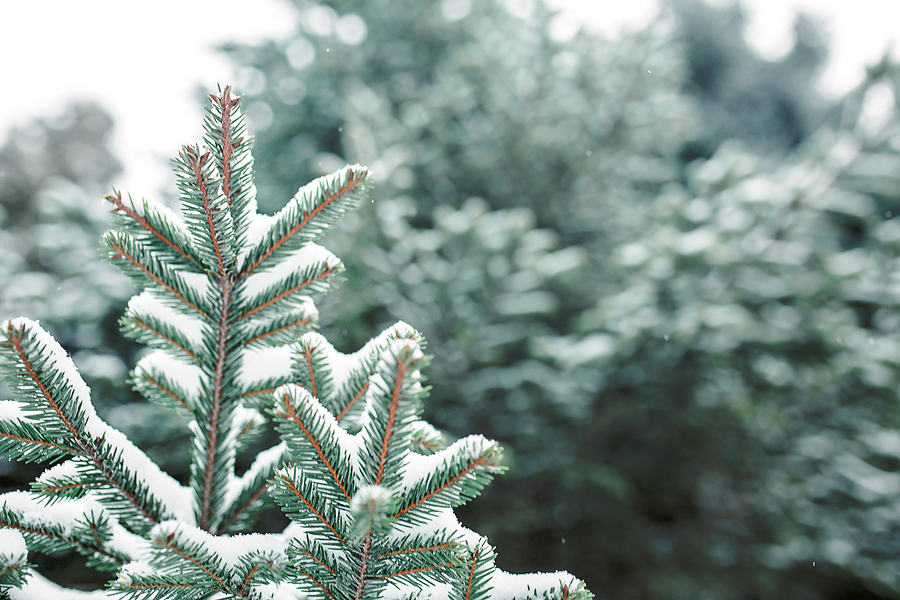
Evergreens are the most susceptible to winter drying. Unlike deciduous trees that drop their leaves to conserve moisture, evergreens (like pines, spruces, and firs) hold onto their needles all year. These needles continue to lose water through transpiration, even in the middle of winter.
When the ground is frozen, the roots cannot pull up new water to replace what is lost to the wind and sun. This leads to “winter burn,” where needles turn brown or red, usually on the side of the tree facing the wind or sun. Purdue Extension experts note that evergreens benefit significantly from deep watering right up until the ground freezes.
Newly Planted Trees
If you have planted trees within the last two to three years, they are considered “newly planted” in terms of root establishment. These trees have not yet developed the expansive root systems needed to forage for moisture deep in the soil. They are entirely dependent on the moisture available in their immediate root ball.
Fall-planted trees are particularly vulnerable because they have had very little time to establish roots before the onset of winter. Without supplemental water, the limited root ball can dry out completely in a matter of days during a dry, windy spell.
Deciduous Trees
While they lose their leaves, deciduous trees (maples, oaks, elms) still respire at a lower rate during winter. Their roots and branches need internal moisture to withstand freezing temperatures without sustaining cell damage. If a deciduous tree suffers from severe drought stress in winter, it may exhibit dieback in the crown or stunted leaf growth the following spring.
Book Professional Tree Service in Indy Right Now ✅
Best Seasonal Watering Practices
Watering in winter looks different than watering in July. You cannot simply set a sprinkler and walk away, as you risk creating ice sheets or damaging plant tissues. Here is how to do it correctly.
Check the Temperature
Timing is critical. You should only water when the air temperature is above 40°F. Attempting to water when it is near freezing can cause ice to form on the trunk or surface roots, which can be damaging. The best time to water is mid-day, allowing the water to soak into the ground before the temperature drops at night.
The “5 + 5” Rule
How much water is enough? A useful guideline from Purdue University Extension is the “5 + 5” rule. This suggests providing 5 gallons of water plus another 5 gallons for every diameter inch of the tree trunk.
For example, if you have a young tree with a 2-inch diameter trunk, you would provide roughly 15 gallons of water (5 base + 10 for the trunk size). This ensures the water penetrates deep enough to reach the entire root system, rather than just wetting the surface.
Use the Right Method
For winter watering, low and slow is the best approach.
- Drip Bags: These are excellent for young trees. They slowly release water over several hours, ensuring it goes directly to the root ball without runoff.
- Soaker Hoses: winding a soaker hose around the drip line (the outer edge of the branches) of the tree is effective for larger areas.
- Trickle Method: Simply place a hose near the base of the tree on a very slow trickle for 30-45 minutes.
Stop When the Ground Freezes
Once the ground is frozen solid, trees can no longer absorb water. At this point, supplemental watering should stop, as the water will simply run off or freeze on the surface. Your goal is to ensure the soil is moist before this deep freeze occurs, usually by late December in Indiana.
Common Mistakes to Avoid
Even with good intentions, it is possible to harm your trees with improper winter care. Avoid these common pitfalls to ensure your efforts are helpful rather than harmful.
Overwatering
While trees need water, they do not want wet feet. Soil that is saturated and then freezes can suffocate roots or cause root rot. The goal is moist soil, not muddy soil. Check the soil moisture by using a long screwdriver or soil probe; if it goes into the ground easily and comes out with moist soil attached, you likely do not need to water yet.
Ignoring Mulch
Mulch acts as a blanket for your tree’s roots. A 2-to-3-inch layer of organic mulch (like wood chips) helps regulate soil temperature, keeping the ground warmer for longer and retaining moisture. However, ensure you create a “donut” shape, keeping the mulch pulled back a few inches from the trunk itself. Piling mulch against the trunk (“volcano mulching”) promotes rot and invites pests.
Watering the Foliage
Avoid spraying water on the needles of evergreens or the trunks of trees during freezing weather. Stick to watering the soil directly. Ice formation on branches adds weight that can lead to breakage and tissue damage.
Benefits of Winter Watering
The effort you put into watering your trees in late autumn and early winter pays dividends when the seasons change.
- Reduced Winter Burn: Hydrated needles are resilient needles. Your evergreens will remain greener and healthier, avoiding the unsightly brown patches that ruin curb appeal.
- Stronger Spring Growth: Trees that are not stressed by drought during dormancy have more energy reserves to push out lush leaves and blooms in the spring.
- Root Preservation: Moist soil freezes differently than dry soil. It tends to insulate roots better, protecting them from extreme temperature spikes and dips that can kill delicate feeder roots.
- Investment Protection: Trees are a financial and aesthetic asset to your property. Replacing a mature tree is expensive and difficult. A few gallons of water is a small price to pay to protect that investment.
Final Thoughts
Caring for your trees during the colder months is an essential step in maintaining their health and longevity. By taking proactive measures, such as providing water before the ground freezes, you can ensure that your trees are well-prepared to face the rigors of winter. These simple efforts not only safeguard the beauty and greenery of your property but also protect the value of your long-term investment.
Remember, even small actions can have a profound impact on the well-being of your landscape. Show your trees the care they deserve, and they will reward you with years of shade, beauty, and vitality.
If you want to ensure your trees receive the best care possible, don’t hesitate to reach out to our professional tree service team in Indianapolis and the surrounding areas. We specialize in tree removal, storm damage clearance, pruning, and much more to keep your landscape thriving. Contact Us Today to schedule a consultation and give your trees the expert care they deserve!
Related Post: Underwatered or Overwatered? A Gardener’s Guide to Perfect Tree Care