Winter sun might seem less threatening than summer’s blazing heat, but for your trees, it can be surprisingly destructive. Sunscald—a form of tree damage caused by temperature fluctuations and intense sunlight—affects thousands of trees across the Midwest each year, often leaving homeowners puzzled by the cracked, discolored bark they discover come spring.
Sunscald occurs when bark tissue is damaged by rapid temperature changes, typically during winter months when sunny days are followed by freezing nights. This condition primarily affects the south and southwest sides of tree trunks, where direct sunlight warms the bark during the day, only to have temperatures plummet after sunset. The resulting expansion and contraction of bark tissue can cause splitting, cracking, and permanent damage that compromises your tree’s health and longevity.
For Midwest homeowners, understanding sunscald is essential for maintaining healthy trees. The region’s variable winter weather—with its sudden temperature swings and bright, reflective snow cover—creates perfect conditions for this type of tree damage. Young fruit trees, maples, and other thin-barked species are particularly vulnerable, making prevention and early treatment crucial for protecting your landscape investment.
How to Identify Sunscald Damage on Your Trees
Recognizing sunscald damage early can make the difference between a tree that recovers fully and one that struggles for years. The most obvious signs appear on the trunk’s south and southwest faces, where winter sun exposure is most intense.
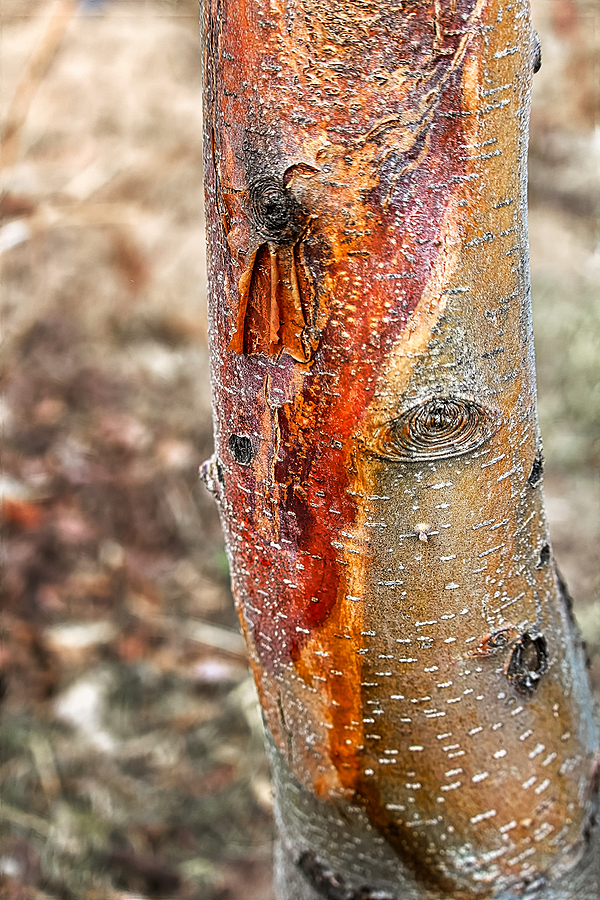
Look for vertical cracks or splits in the bark that may range from hairline fractures to gaps several inches wide. The bark around these areas often appears discolored—turning brown, black, or even orange—and may begin to peel away from the trunk. In severe cases, you might notice loose bark that can be easily pulled away, revealing the lighter-colored wood underneath.
Sunscald damage typically becomes most apparent in late winter or early spring as temperatures begin to stabilize. During your tree inspections, pay special attention to young trees and those with smooth, thin bark. Maple trees, fruit trees like apple and cherry, and newly planted specimens are among the most susceptible to this type of damage.
The affected areas may also show signs of secondary problems, such as insect infestations or fungal infections that take advantage of the compromised bark. Canker diseases often develop in sunscalded areas, creating sunken, discolored patches that can girdle branches or even the main trunk if left untreated.
Understanding the Causes of Tree Sunscald
Sunscald develops through a process that’s more complex than simple sun damage. During winter days, direct sunlight can warm tree bark to temperatures well above the ambient air temperature—sometimes 20 to 30 degrees higher. This warming activates dormant cells in the bark and cambium layer, the tree’s growth tissue just beneath the bark.
When the sun sets or disappears behind clouds, temperatures drop rapidly, often falling below freezing within hours. These newly activated cells, no longer dormant and therefore less cold-hardy, become damaged or killed by the sudden temperature change. The repeated cycle of warming and freezing causes the bark to crack and split.
Snow cover can amplify this problem by reflecting additional sunlight onto tree trunks, intensifying the heating effect. The Midwest’s continental climate, with its clear winter skies and dramatic temperature swings, creates ideal conditions for sunscald development. Urban environments can worsen the situation, as pavement and buildings reflect additional heat and light toward nearby trees.
Certain factors increase a tree’s susceptibility to sunscald. Young trees with thin, smooth bark lack the protective thick outer bark of mature specimens. Trees that have been heavily pruned or transplanted recently may also be more vulnerable, as stress can compromise their natural defense mechanisms. Additionally, trees planted in exposed locations without natural windbreaks or shade protection face higher risks.
Request Professional Tree Service in Indianapolis Today ✅
Practical Prevention Strategies for Midwest Trees
Preventing sunscald is far more effective than treating damaged trees after the fact. The most reliable protection method involves wrapping vulnerable tree trunks with tree wrap or paper tree guards before winter arrives. Begin wrapping at the base of the tree and spiral upward, covering the trunk to the first major branches. Remove the wrapping in early spring to prevent moisture buildup and pest problems.
Tree selection plays a crucial role in long-term sunscald prevention. When choosing trees for your Midwest landscape, consider species with naturally thick bark or those adapted to harsh winter conditions. Consult with local experts like those at Allisonville Nursery, who can recommend varieties that perform well in your specific microclimate and soil conditions.
Proper planting location significantly impacts a tree’s vulnerability to sunscald. When possible, plant susceptible species where they’ll receive some protection from intense afternoon sun—perhaps on the north or east side of buildings or existing large trees. However, ensure they still receive adequate sunlight for healthy growth.
Maintaining overall tree health strengthens your trees’ natural resistance to sunscald and other stressors. Proper watering throughout the growing season, especially during dry periods, helps trees enter winter in optimal condition. Apply a 2- to 3-inch layer of organic mulch around the tree’s base, keeping it several inches away from the trunk to prevent moisture problems and pest issues.
Regular tree inspections during fall and winter allow you to monitor for early signs of damage and adjust protection measures as needed. Young trees require particular attention during their first few years after planting, as they’re establishing their root systems and building natural defenses.
Treatment and Recovery for Sunscalded Trees
When you discover sunscald damage on your trees, prompt and proper treatment can help minimize long-term effects and support recovery. Begin by carefully removing any loose or dead bark from the affected area using clean, sharp tools. Avoid cutting into healthy tissue, as this can create additional wounds and stress for the tree.
After cleaning the damaged area, apply a tree wound dressing or sealant to protect the exposed wood from pests and diseases. While trees naturally compartmentalize wounds, protecting large sunscald injuries can prevent secondary problems that might compromise the tree’s recovery.
Support your tree’s recovery through proper fertilizing with a balanced fertilizer that provides essential nutrients for new growth. Focus on maintaining consistent soil moisture through adequate watering, especially during dry periods when the tree is working to heal and establish new bark tissue.
Pest and disease control becomes particularly important for sunscalded trees, as the damaged areas can attract insects and provide entry points for pathogens. Monitor treated areas regularly for signs of infestation or infection, and take appropriate control measures promptly if problems develop.
For extensive damage or valuable trees, consulting with a certified arborist provides access to professional assessment and tailored treatment plans. Arborists can evaluate whether the damage threatens the tree’s structural integrity and recommend appropriate interventions that might not be obvious to homeowners.
Recovery from sunscald requires patience, as trees heal slowly and may take several growing seasons to fully compartmentalize large wounds. Continue protective measures during subsequent winters, as previously damaged trees may be more susceptible to additional injury.
Protecting Your Trees for Years to Come
Sunscald represents one of the most preventable forms of tree damage, yet it continues to affect countless trees across the Midwest each winter. By understanding the causes, recognizing the symptoms, and implementing proper prevention strategies, you can protect your trees from this potentially serious condition.
Remember that tree care is an ongoing investment in your property’s beauty and value. Regular inspections, proper species selection, and proactive protection measures will help ensure your trees remain healthy and vibrant for generations. When in doubt, don’t hesitate to seek professional guidance—a consultation with a certified arborist or tree service company can provide personalized recommendations for your specific trees and growing conditions.
Take action now to assess your trees’ vulnerability to winter sunscald and implement protection strategies. Schedule routine tree service with Timberland Tree Care to develop a comprehensive plan that addresses your landscape’s unique needs and protects your investment in healthy, beautiful trees.
Call to Book a Tree Inspection
Related Post: How to Care for Dormant Trees in the Winter Season