Your Trees are Thirsty: The Complete Guide to Winter Watering in Indiana

When the temperatures drop and the frost settles across the Hoosier state, most homeowners instinctively pack away their garden hoses. It makes sense—we associate gardening with the vibrant blooms of spring and the heat of summer. Once the leaves fall, the common assumption is that nature has gone to sleep and our work is done until the snow melts.

However, this misconception often leads to significant problems come springtime. While your trees may look dormant above ground, there is a lot happening beneath the soil surface. Indiana winters are notorious for their harsh winds and fluctuating temperatures, creating a dry environment that can severely dehydrate your landscape. Neglecting your trees during these colder months is a primary cause of “winter kill,” a condition where trees—particularly new ones—fail to wake up when the weather warms.

Taking care of your trees doesn’t stop just because you’ve raked the last leaf. Understanding how to properly water your trees during late autumn and winter is essential for maintaining a healthy, vibrant landscape that will thrive for years to come.

Call 317-348-0811 for Professional Winter Tree Service in Indianapolis

Understanding Indiana’s Winter Climate

To understand why winter watering is necessary, we have to look at how Indiana weather affects tree biology. Our winters are characterized by cold air that holds very little moisture. When you combine low humidity with the strong, drying winds that sweep across the plains, you have a recipe for rapid desiccation (drying out).

While snow provides some moisture, it often isn’t enough to penetrate deep into the root zone where it matters most, especially if the ground freezes quickly. The critical period for trees is usually late fall through early winter. During this time, trees are hardening off for winter, but their roots are often still active until soil temperatures drop significantly.

If a tree enters the deep freeze of January and February with dry roots, it lacks the internal moisture reserves needed to survive. This is comparable to a bear going into hibernation without eating enough food beforehand—the resources just aren’t there to sustain life through the dormant period.

Identifying Trees at Risk

Not all trees have the same water requirements during the winter. While established native trees are generally resilient, specific categories of trees require your vigilance.

Evergreens

Evergreens are the most susceptible to winter drying. Unlike deciduous trees that drop their leaves to conserve moisture, evergreens (like pines, spruces, and firs) hold onto their needles all year. These needles continue to lose water through transpiration, even in the middle of winter.

When the ground is frozen, the roots cannot pull up new water to replace what is lost to the wind and sun. This leads to “winter burn,” where needles turn brown or red, usually on the side of the tree facing the wind or sun. Purdue Extension experts note that evergreens benefit significantly from deep watering right up until the ground freezes.

Newly Planted Trees

If you have planted trees within the last two to three years, they are considered “newly planted” in terms of root establishment. These trees have not yet developed the expansive root systems needed to forage for moisture deep in the soil. They are entirely dependent on the moisture available in their immediate root ball.

Fall-planted trees are particularly vulnerable because they have had very little time to establish roots before the onset of winter. Without supplemental water, the limited root ball can dry out completely in a matter of days during a dry, windy spell.

Deciduous Trees

While they lose their leaves, deciduous trees (maples, oaks, elms) still respire at a lower rate during winter. Their roots and branches need internal moisture to withstand freezing temperatures without sustaining cell damage. If a deciduous tree suffers from severe drought stress in winter, it may exhibit dieback in the crown or stunted leaf growth the following spring.

Book Professional Tree Service in Indy Right Now

Best Seasonal Watering Practices

Watering in winter looks different than watering in July. You cannot simply set a sprinkler and walk away, as you risk creating ice sheets or damaging plant tissues. Here is how to do it correctly.

Check the Temperature

Timing is critical. You should only water when the air temperature is above 40°F. Attempting to water when it is near freezing can cause ice to form on the trunk or surface roots, which can be damaging. The best time to water is mid-day, allowing the water to soak into the ground before the temperature drops at night.

The “5 + 5” Rule

How much water is enough? A useful guideline from Purdue University Extension is the “5 + 5” rule. This suggests providing 5 gallons of water plus another 5 gallons for every diameter inch of the tree trunk.

For example, if you have a young tree with a 2-inch diameter trunk, you would provide roughly 15 gallons of water (5 base + 10 for the trunk size). This ensures the water penetrates deep enough to reach the entire root system, rather than just wetting the surface.

Use the Right Method

For winter watering, low and slow is the best approach.

  • Drip Bags: These are excellent for young trees. They slowly release water over several hours, ensuring it goes directly to the root ball without runoff.
  • Soaker Hoses: winding a soaker hose around the drip line (the outer edge of the branches) of the tree is effective for larger areas.
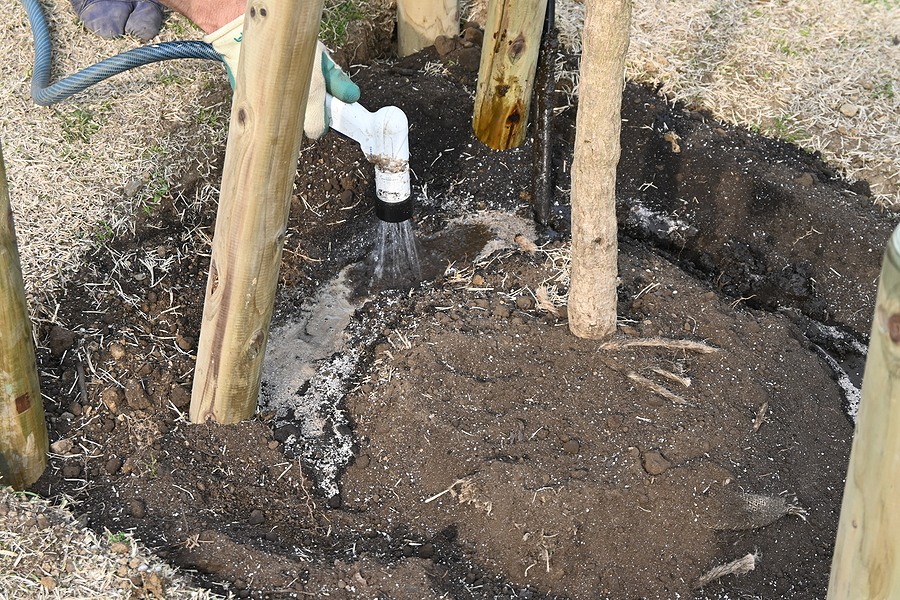
  • Trickle Method: Simply place a hose near the base of the tree on a very slow trickle for 30-45 minutes.

Stop When the Ground Freezes

Once the ground is frozen solid, trees can no longer absorb water. At this point, supplemental watering should stop, as the water will simply run off or freeze on the surface. Your goal is to ensure the soil is moist before this deep freeze occurs, usually by late December in Indiana.

Common Mistakes to Avoid

Even with good intentions, it is possible to harm your trees with improper winter care. Avoid these common pitfalls to ensure your efforts are helpful rather than harmful.

Overwatering

While trees need water, they do not want wet feet. Soil that is saturated and then freezes can suffocate roots or cause root rot. The goal is moist soil, not muddy soil. Check the soil moisture by using a long screwdriver or soil probe; if it goes into the ground easily and comes out with moist soil attached, you likely do not need to water yet.

Ignoring Mulch

Mulch acts as a blanket for your tree’s roots. A 2-to-3-inch layer of organic mulch (like wood chips) helps regulate soil temperature, keeping the ground warmer for longer and retaining moisture. However, ensure you create a “donut” shape, keeping the mulch pulled back a few inches from the trunk itself. Piling mulch against the trunk (“volcano mulching”) promotes rot and invites pests.

Watering the Foliage

Avoid spraying water on the needles of evergreens or the trunks of trees during freezing weather. Stick to watering the soil directly. Ice formation on branches adds weight that can lead to breakage and tissue damage.

Benefits of Winter Watering

The effort you put into watering your trees in late autumn and early winter pays dividends when the seasons change.

  • Reduced Winter Burn: Hydrated needles are resilient needles. Your evergreens will remain greener and healthier, avoiding the unsightly brown patches that ruin curb appeal.
  • Stronger Spring Growth: Trees that are not stressed by drought during dormancy have more energy reserves to push out lush leaves and blooms in the spring.
  • Root Preservation: Moist soil freezes differently than dry soil. It tends to insulate roots better, protecting them from extreme temperature spikes and dips that can kill delicate feeder roots.
  • Investment Protection: Trees are a financial and aesthetic asset to your property. Replacing a mature tree is expensive and difficult. A few gallons of water is a small price to pay to protect that investment.

Final Thoughts

Caring for your trees during the colder months is an essential step in maintaining their health and longevity. By taking proactive measures, such as providing water before the ground freezes, you can ensure that your trees are well-prepared to face the rigors of winter. These simple efforts not only safeguard the beauty and greenery of your property but also protect the value of your long-term investment.

 Remember, even small actions can have a profound impact on the well-being of your landscape. Show your trees the care they deserve, and they will reward you with years of shade, beauty, and vitality.

If you want to ensure your trees receive the best care possible, don’t hesitate to reach out to our professional tree service team in Indianapolis and the surrounding areas. We specialize in tree removal, storm damage clearance, pruning, and much more to keep your landscape thriving. Contact Us Today to schedule a consultation and give your trees the expert care they deserve!

Call for a Free Estimate

Related Post: Underwatered or Overwatered? A Gardener’s Guide to Perfect Tree Care

Routine Tree Service Guide for Indiana Properties

Maintaining healthy trees isn’t just about aesthetics—it’s about protecting your property investment and ensuring the safety of your family. Indiana’s climate presents unique challenges for tree health, from harsh winter storms to humid summers that invite pests and diseases. Without proper routine tree service, even the most beautiful oak or maple can become a liability rather than an asset.

A well-planned tree maintenance schedule addresses these challenges before they become costly problems. Regular tree care not only extends the life of your trees but also enhances your property’s curb appeal and value. Understanding when and why to perform specific tree care tasks throughout the year empowers you to make informed decisions about your landscape’s health.

This comprehensive guide will walk you through the essential tree service tasks for each season, helping you develop a routine that keeps your Indiana trees thriving year-round.

Call 317-348-0811 for Professional Tree Service in Indianapolis Indiana

Year Round Tree Maintenance Schedule for Hoosier’s

Spring: Awakening Your Trees After Winter’s Rest

Spring marks the beginning of your tree care year, offering the perfect opportunity to assess winter damage and prepare your trees for the growing season ahead.

Post-Winter Assessment and Damage Evaluation

After Indiana’s often brutal winters, your trees need a thorough inspection. Look for broken branches, bark damage from ice storms, and signs of frost damage on sensitive species. Professional tree service companies can identify subtle damage that untrained eyes might miss, preventing future safety hazards.

Pay particular attention to your ash trees during spring assessments. The Emerald Ash Borer continues to threaten Indiana’s ash population, and early detection is crucial for treatment success. Oak trees also deserve special attention, as spring is when oak wilt symptoms typically become visible.

Strategic Pruning for Growth and Health

Spring pruning focuses on removing winter damage and shaping trees for optimal growth. However, timing is critical—avoid pruning oak trees between April and July to prevent attracting beetles that spread oak wilt disease.

For maple trees, late winter to early spring provides the ideal pruning window before the sap begins flowing heavily. This timing minimizes stress and reduces the risk of excessive bleeding. Professional tree trimming during this period encourages healthy growth patterns and removes weak branches before they become problematic.

Fertilization and Soil Enhancement

Spring fertilization gives your trees the nutrients they need for vigorous growth. Indiana’s clay-heavy soils often lack proper drainage and nutrients, making targeted fertilization essential. A professional tree care company can perform soil tests to determine exactly what your trees need.

Consider deep root fertilization for mature trees, which delivers nutrients directly to the root zone where they’re most effective. This method is particularly beneficial for trees competing with grass for nutrients.

Summer: Monitoring and Maintenance During Peak Growth

Summer brings intense growth periods and increased stress from heat, humidity, and pest activity. Your routine tree service schedule should focus on monitoring and support during these challenging months.

Pest and Disease Surveillance

Indiana’s humid summers create perfect conditions for various tree pests and diseases. Regular monitoring helps catch problems early when treatment is most effective and least expensive.

Watch for signs of common summer pests like scale insects on maple trees and boring insects that target stressed trees. Fungal diseases also thrive in humid conditions, making prevention and early intervention crucial for tree health.

Water Management and Stress Reduction

Even established trees benefit from supplemental watering during Indiana’s hot, dry spells. Deep, infrequent watering encourages deep root growth and improves drought tolerance. Focus watering efforts on the drip line rather than near the trunk.

Mulching around trees provides multiple benefits during summer months—it retains moisture, regulates soil temperature, and suppresses competing weeds. Maintain a 2-3 inch layer of organic mulch, keeping it several inches away from the tree trunk to prevent moisture-related problems.

Structural Support for Heavy Growth

Summer’s rapid growth can create structural imbalances in young trees or trees recovering from previous damage. Professional tree maintenance may include installing support systems for heavy branches or trees with structural weaknesses.

Regular monitoring during this period helps identify branches that may need support before they break under their own weight or summer storm pressure.

Check Out Our Affordable Tree Service Options!

Fall: Preparing for Winter’s Challenges

Fall tree care focuses on strengthening trees for winter survival and managing the season’s unique challenges.

Leaf Management and Disease Prevention

Proper leaf removal isn’t just about lawn aesthetics—it’s crucial for disease prevention. Leaves infected with fungal diseases can overwinter in your landscape, reinfecting trees the following spring.

Remove and dispose of diseased leaves properly, particularly from oak trees susceptible to oak wilt and maple trees affected by tar spot or other fungal conditions. Healthy leaves can be composted or used as mulch after shredding.

Strategic Mulching for Winter Protection

Fall mulching provides insulation for tree roots during winter temperature fluctuations. Apply fresh mulch after leaf removal, creating a protective barrier that moderates soil temperature and retains moisture.

For young trees or those planted within the last few years, consider tree wraps or guards to prevent sun scald and frost damage during winter months.

Disease Control Preparation

Fall treatments can prevent many spring diseases. Anti-fungal treatments applied during dormancy help protect susceptible species from infections that occur during spring’s wet conditions.

This is also the time to remove any remaining diseased wood and improve air circulation around trees by removing crossing branches and dense growth.

Winter: Dormant Season Advantages

Winter’s dormancy period offers unique opportunities for tree care that would be impossible or inadvisable during the growing season.

Dormant Pruning Benefits

Winter pruning provides several advantages over growing season pruning. Trees experience less stress, wound closure improves, and the absence of leaves makes structural problems easier to identify and address.

This is the ideal time for major structural pruning on maple trees, as sap flow is minimal and healing is optimal. Oak trees can also be safely pruned during deep dormancy without risk of attracting disease-carrying insects.

Storm Damage Assessment and Prevention

Winter storms test your trees’ structural integrity. Regular assessment after major weather events helps identify compromised trees before they become safety hazards.

Remove storm-damaged branches promptly to prevent further damage and reduce entry points for diseases and pests. Professional tree service companies have the equipment and expertise to handle dangerous storm damage safely.

Planning for the Upcoming Year

Use winter’s slower pace to plan next year’s tree care activities. Schedule routine tree service appointments, budget for anticipated needs, and develop long-term management plans for your landscape.

Consider this time for larger projects like stump removal and stump grinding, which are easier to accomplish when other landscape plants are dormant.

Benefits of Consistent Tree Service Schedules

Following a routine tree service schedule provides numerous benefits beyond basic tree health. Property values increase with well-maintained mature trees, and regular care prevents expensive emergency services.

Consistent maintenance also improves safety by removing hazardous conditions before they become dangerous. Insurance companies often look favorably upon properties with documented tree maintenance programs.

Professional tree care companies develop relationships with regular clients, learning your property’s specific needs and challenges over time. This familiarity leads to better service and more effective long-term tree management.

Take Action for Your Trees’ Health

Understanding the importance of routine tree service is just the first step—implementing a consistent schedule ensures your Indiana trees remain healthy, beautiful, and safe throughout their lives. Each season presents unique opportunities to enhance your trees’ health and address potential problems before they become expensive emergencies.

Professional tree care companies bring expertise, proper equipment, and insurance protection that DIY approaches cannot match. They understand Indiana’s specific challenges, from oak wilt prevention to emerald ash borer management, and can tailor services to your property’s unique needs.

Ready to give your trees the care they deserve? Schedule a Free Tree Assessment today and discover how professional routine tree service can protect and enhance your landscape investment for years to come.

Call Now to Book Service

Related Post: Tree Maintenance: Seasonal Tips for Keeping Your Trees Healthy

Why You Should Prune Trees: Essential Care for a Healthy Landscape

Your trees are magnificent living structures that enhance your property’s beauty and value, but without proper care, they can become safety hazards or decline in health. Tree pruning stands as one of the most important maintenance practices every homeowner should understand and implement regularly.

Pruning trees isn’t just about making them look neat—it’s a comprehensive approach to maintaining tree health, ensuring safety, and maximizing the aesthetic appeal of your landscape. When done correctly, pruning can extend a tree’s lifespan, prevent costly damage to your property, and create a more beautiful outdoor environment for you and your family to enjoy.

Many homeowners feel uncertain about when and how to prune their trees, often leading to neglect or improper techniques that can harm rather than help. Understanding the fundamentals of tree pruning empowers you to make informed decisions about your landscape’s care and know when professional intervention might be necessary.

Call 317-348-0811 for Professional Tree Pruning in Indianapolis Indiana

The Remarkable Value of Pruning Trees

Health Benefits That Transform Your Trees

Proper tree pruning creates a foundation for robust tree health by improving air circulation throughout the canopy. When branches are overcrowded, moisture becomes trapped, creating ideal conditions for fungal diseases and pest infestations. Strategic pruning allows air to flow freely through the tree, reducing humidity levels and helping prevent these common problems.

Sunlight penetration represents another crucial health benefit of regular pruning. Dense canopies block sunlight from reaching inner branches and the ground below, weakening the tree’s overall structure. By selectively removing branches, you enable sunlight to nourish all parts of the tree, promoting stronger growth and healthier foliage.

The cleaning technique—removing dead, diseased, or damaged branches—prevents decay from spreading to healthy parts of the tree. These problematic branches drain energy from the tree and can become entry points for harmful organisms. Regular removal keeps your trees vigorous and resilient.

Aesthetic Benefits That Enhance Your Property

Tree shaping through careful pruning transforms ordinary trees into stunning landscape features. Whether you’re working with the elegant birch, sturdy oak, vibrant maple, resilient ash, or versatile arborvitae, proper pruning enhances each species’ natural beauty and growth patterns.

Pruning techniques like reduction can help maintain appropriate tree size for your property, preventing trees from overwhelming smaller spaces or interfering with structures. The raising technique removes lower branches to improve visibility and create clearance for walkways, driveways, and outdoor activities.

Well-pruned trees contribute significantly to your property’s curb appeal and overall value. A landscape with healthy, properly maintained trees creates a welcoming atmosphere and demonstrates thoughtful property care that potential buyers and neighbors appreciate.

Safety Benefits That Protect Your Investment

Dead or weakened branches pose serious risks during storms, potentially causing property damage or personal injury. Regular pruning identifies and removes these hazards before they become dangerous, protecting your home, vehicles, and family members.

Power line clearance represents a critical safety consideration that requires careful attention. Branches growing too close to utility lines can cause power outages, fires, or electrocution hazards. Understanding utility clearances and maintaining appropriate distances keeps your property safe and prevents costly utility company interventions.

Structural pruning helps develop strong branch architecture, reducing the likelihood of branch failure during severe weather. This proactive approach prevents emergency situations and protects your investment in your landscape.

Optimal Timing for Pruning Trees

The Dormant Season Advantage

The dormant season, typically late fall through early spring, provides ideal conditions for most tree pruning activities. During this period, trees conserve energy and healing processes work most efficiently. Pruning during dormancy minimizes stress and reduces the risk of pest attraction to fresh cuts.

Winter pruning offers excellent visibility of tree structure without leaf coverage, making it easier to identify problematic branches and plan strategic cuts. This clarity helps ensure proper technique application and better overall results.

Different tree species have varying dormancy periods, so understanding your specific trees’ needs helps optimize timing. Oak trees, for example, should be pruned during their deepest dormancy to prevent oak wilt disease transmission.

Post-Flowering Considerations

Some flowering trees require pruning immediately after blooming to avoid removing next year’s flower buds. Understanding your trees’ blooming cycles ensures you maintain both health and aesthetic appeal.

Spring-flowering trees typically set buds for the following year shortly after current blooms fade, making timing crucial for maintaining floral displays. Summer-flowering trees generally offer more flexibility in pruning timing since they bloom on current-year growth.

View Our Affordable Tree Pruning Solutions 🌳✨

Why Choose Professional Tree Service

Expertise and Knowledge Application

Professional tree service companies bring extensive training and experience to tree pruning projects, understanding species-specific needs and growth patterns. This expertise ensures appropriate techniques for birch, oak, maple, ash, arborvitae, and other species in your landscape.

Certified tree pruners follow ANSI A300 standards for professional tree care, ensuring work meets industry best practices and safety requirements. These standards provide comprehensive guidelines for proper pruning techniques and safety protocols.

Disease and pest management expertise helps professionals identify early warning signs of problems that untrained eyes might miss. Early intervention prevents minor issues from becoming major threats to tree health.

Safety and Risk Management

Professional tree services possess specialized safety equipment and training for working at heights and around power lines. This expertise prevents accidents and ensures compliance with local regulations regarding utility clearances.

Insurance coverage protects your property during pruning operations, providing peace of mind that potential damages are covered. Reputable services carry comprehensive liability insurance and worker’s compensation protection.

Proper disposal of pruned materials eliminates cleanup responsibilities and ensures environmentally responsible waste management. Professional services handle debris removal efficiently, leaving your property clean and organized.

Essential Pruning Techniques

Core Pruning Methods

Thinning removes selective branches throughout the canopy to increase light penetration and air circulation without dramatically altering the tree’s shape. This technique maintains natural appearance while improving tree health.

Heading cuts branches back to buds or lateral branches, promoting denser growth in specific areas. This technique helps control size and shape while encouraging fuller canopy development.

Raising removes lower branches to provide clearance for structures, vehicles, and pedestrians while improving sight lines and accessibility around your property.

Reduction decreases overall tree size by cutting larger branches back to smaller lateral branches, maintaining natural appearance while managing growth.

Cleaning removes dead, diseased, damaged, or weak branches to improve overall tree health and appearance while eliminating potential hazards.

Common Mistakes That Harm Trees

Over-Pruning Dangers

Removing more than 25% of a tree’s canopy in a single season creates excessive stress that can weaken or kill the tree. Over-pruning reduces the tree’s ability to produce energy through photosynthesis and makes it vulnerable to environmental stresses.

Tree topping—cutting back large branches to stubs—represents one of the most harmful practices in tree care. This technique destroys natural tree structure, creates weak regrowth, and significantly shortens tree lifespan.

Improper Cutting Techniques

Making cuts too close to the trunk or too far from the branch collar interferes with natural healing processes and invites decay organisms. Proper cuts respect the tree’s natural defense mechanisms and promote healthy healing.

Using dull or damaged tools creates ragged cuts that heal poorly and attract pests and diseases. Sharp, clean tools make precise cuts that heal quickly and minimize tree stress.

Neglecting tree structure during pruning can create imbalanced growth patterns and weak branch attachments. Understanding natural growth patterns helps maintain structural integrity while achieving desired results.

In Summary

Regular tree pruning represents an investment in your property’s beauty, safety, and value that pays dividends for years to come. Whether you choose to tackle smaller pruning projects yourself or rely on professional expertise for comprehensive care, consistent attention to your trees’ needs ensures they remain healthy, attractive assets to your landscape.

The techniques, timing, and safety considerations outlined here provide a foundation for making informed decisions about your trees’ care. Remember that proper pruning is both an art and a science that requires understanding, patience, and respect for these magnificent living structures.

Don’t wait until problems become emergencies or minor issues develop into major concerns. Schedule a free pruning consultation with Timberland Tree Care today to assess your trees’ needs and develop a comprehensive care plan that protects your investment and enhances your outdoor living environment. Serving all of Indianapolis and Central Indiana.

Book a Free Assessment Now

Related Post: The Hidden Risks of Over-Pruning Trees and How to Avoid Them