The sight of snow blanketing your yard can be beautiful, but the harsh winter elements pose a severe threat to your landscape. While you are bundled up inside, your trees and shrubs are left exposed to freezing temperatures, biting winds, and frozen soil. This intense exposure often leads to winter desiccation—a condition where plants lose moisture faster than they can replace it.
You might not notice the damage until spring arrives. As the weather warms, the leaves on your favorite boxwoods or the needles on your white pines may suddenly turn a brittle, reddish-brown. This winter burn isn’t just an unsightly nuisance; it is a serious stressor that can cause long-term damage to the structural health of your plants.
Understanding how the cold affects your landscaping is crucial for maintaining a healthy, vibrant yard. Fortunately, you can take proactive steps to defend your greenery. One of the most effective tools in your winter tree care arsenal is the use of specialized protective coatings.
What are Anti-Desiccant Sprays for Trees?
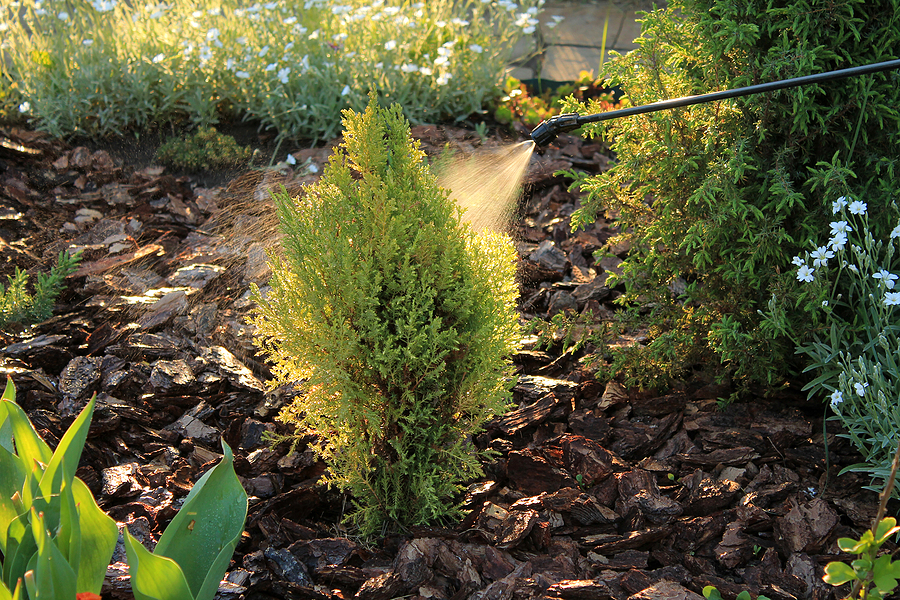
Anti-desiccant sprays are specialized protective coatings applied to plant foliage to prevent excessive moisture loss during the harsh winter months. Technically, you might hear the terms “anti-desiccant” and “anti-transpirant” used interchangeably. An anti-desiccant prevents the drying out of plant tissues, while an anti-transpirant limits transpiration—the natural process where water is released from tiny openings in the leaf surfaces. By limiting transpiration, these sprays effectively prevent desiccation.
Most products on the market use natural pine oil polymers or similar compounds. When sprayed onto the leaves and needles of susceptible plants, the liquid dries to form a clear, flexible film. This barrier is thin enough to allow the plant to continue normal respiration and photosynthesis, but robust enough to trap vital water inside the cellular structure.
How Do Anti-Desiccants Protect Trees in Winter?
These sprays protect trees by forming a clear, flexible waxy barrier over the microscopic openings in leaves and needles, locking in essential moisture when roots cannot absorb water from frozen soil.
During the growing season, a plant easily replaces the water it loses through its leaves by pulling moisture up through its root system. Winter disrupts this vital cycle. When the ground freezes, the roots are entirely cut off from their water supply. At the same time, warm, sunny winter days and dry, harsh winds continue to pull moisture out of the exposed foliage.
When the rate of water loss exceeds the water available, the plant tissues dry out and die. Anti-desiccant sprays act as a crucial shield against this environmental stress. By coating the foliage, the spray significantly slows the evaporation process. Wind gliding over the leaves will no longer pull as much moisture away, allowing the plant to survive on its stored water reserves until the spring thaw arrives and the roots can function normally again.
Which Trees Benefit Most From Winter Protection?
Broadleaf evergreens and specific conifers benefit the most from winter protection because they hold their foliage all year and continuously lose moisture. Deciduous trees shed their leaves in the fall, naturally minimizing their water loss during the coldest months. Evergreens, however, retain their greenery, making them highly vulnerable to winter winds and sun.
If you are evaluating your property for winter care, prioritize these highly susceptible plants:
- Broadleaf evergreens: Boxwoods, hollies, azaleas, mahonia, and rhododendrons are notorious for suffering severe winter burn.
- Conifers: Arborvitae, cedar, cypress, juniper, and white pine frequently show directional browning on the sides exposed to prevailing winds.
- Tender stems: Rose canes and hydrangea stems can also benefit from a protective coating to prevent dieback.
Site selection for trees also plays a role. Evergreens planted in highly exposed areas, or those facing a south or west brick wall that radiates heat, will lose moisture even faster and are prime candidates for anti-desiccant applications.
When is the Best Time to Apply Anti-Desiccant Spray?
The best time to apply anti-desiccant spray is in late fall or early winter, typically late November or December, after the plant has gone completely dormant. Timing is everything when it comes to winter tree protection.
Applying the spray too early in the autumn can actually cause severe damage. As temperatures begin to drop, plants naturally move water from their foliage down into their root systems to prepare for winter. If you coat the leaves before this shift occurs, a high volume of water gets trapped in the foliage. When freezing temperatures hit, that trapped water expands, rupturing the plant cells and causing irreversible destruction.
Once the plants are fully dormant, you must wait for the right weather conditions. Apply the spray on a dry day when temperatures are resting comfortably between 40 and 50 degrees Fahrenheit. The temperature must remain above freezing for at least three to four hours after application to give the polymer coating enough time to completely dry and set. Ensure there is no rain in the immediate forecast, as precipitation will wash the product away before it cures.
Are Anti-Desiccants Safe for All Plants?
No, anti-desiccants are not safe for all plants and can actually damage certain species, particularly blue conifers and specific evergreens depending on the product used. Always read the label of any product before spraying it across your yard. Because these sprays are often oil-based, they can strip the natural waxy coating off of certain trees.
Colorado blue spruce is a prime example. Spraying a blue spruce will strip away the wax that gives the tree its characteristic blue color, turning the needles a dull green. While new growth in the spring will emerge blue, the existing damaged needles will not recover their unique hue.
Furthermore, different commercial products have unique chemical makeups. Certain anti-transpirants are strictly prohibited for use on arborvitae, juniper, or cedar due to adverse reactions. Checking the manufacturer’s restrictions will save you from accidentally harming the very plants you intend to protect.
Securing Long-Term Health for Your Landscape
Winter injury is an unfortunate reality, but it is one you can actively manage. By understanding how the cold affects your evergreens and utilizing protective measures like anti-desiccant sprays, you give your landscape a fighting chance against freezing temperatures and drying winds. Proper watering, strategic planting, and timely winter protection all work together to ensure your property remains beautiful and resilient year after year.
Maintaining a pristine, healthy landscape requires year-round dedication. If you need expert assistance preparing your Indianapolis property for the changing seasons, our team is here to help. We provide professional routine tree services, including precision trimming, structural pruning, and safe tree removal. Contact us today to schedule your consultation and give your landscape the professional care it deserves.
Related Post: Why Heavy Snow is a Silent Killer for Young Trees