A fresh blanket of snow often turns an ordinary landscape into a winter wonderland. It’s picturesque, serene, and for many in Indiana, a hallmark of the season. However, while we admire the view from our windows, the young trees in our yards are facing a silent battle for survival. That beautiful white coating carries significant weight, and for a sapling still establishing its roots and structure, a heavy snowfall can be devastating.
Understanding the specific threats winter poses to young trees is essential for any homeowner who wants to see their landscape thrive come spring. While mature oaks and maples might shrug off a winter storm, younger trees lack the structural integrity to withstand the same pressure. With the right knowledge and a bit of proactive care, you can help your trees weather the storm and continue their growth when the warmer months return.
The Science of Snow Damage on Trees
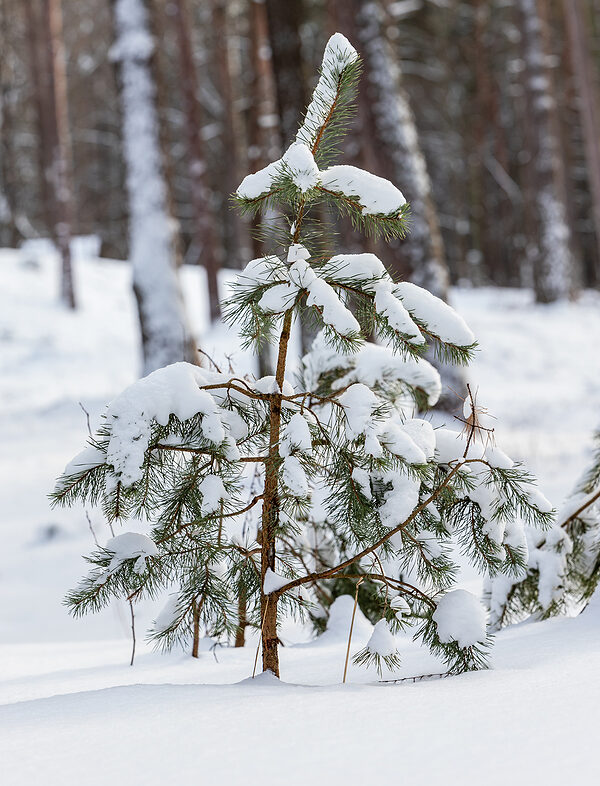
It is easy to underestimate just how heavy snow can be. A light, fluffy powder might seem harmless, but wet, dense snow—common in Indiana’s fluctuating winter temperatures—can weigh significantly more. In fact, just six inches of wet snow can add tons of extra weight to a tree’s canopy.
This added mass exerts tremendous force on a young tree’s structure. The most immediate threat is bending. Young trunks are flexible, which is generally a survival mechanism against wind. However, under the sustained, static load of heavy snow, a tree can bend to the point where its internal fibers are damaged. If the tree remains bent for too long, it may never regain its upright posture, leading to permanent deformity.
Beyond bending, there is the risk of breakage. When the weight exceeds the load-bearing capacity of a branch or the main leader (the central stem), it snaps. For a young tree, losing a main leader can be catastrophic, altering its growth habit forever and potentially stunting its height.
Finally, there is the issue of root damage. While snow can act as an insulator for the soil, a tree that is heavily laden with snow and continuously rocked by winter winds can suffer from root rock. This movement can sever the delicate feeder roots that are crucial for water and nutrient uptake, leaving the tree weakened and susceptible to disease in the spring.
Susceptibility in Indiana’s Hardiness Zone
Indiana falls primarily within USDA Hardiness Zones 5 and 6. The trees we plant here are generally tough, but “hardiness” usually refers to cold tolerance, not necessarily resistance to physical snow load. Certain species and growth habits make some young trees more vulnerable than others.
Evergreens are particularly at risk. Species like Arborvitae, Junipers, and young Pines hold their needles year-round. This foliage acts like a net, catching and holding onto snow. Because they don’t drop their leaves, they accumulate significantly more weight than their deciduous counterparts. Multi-stemmed evergreens, like certain Arborvitae varieties often used for privacy hedges, are notorious for splaying open under the weight of snow, causing the stems to split at the base.
Fast-growing deciduous trees also face challenges. Trees that prioritize rapid vertical growth often have wood that is more brittle or soft. Species like the Silver Maple or Bradford Pear (though often discouraged for other reasons) are prone to breakage. Even sturdier hardwoods like Oaks and Maples, when very young, have not yet developed the rigid lignin structure that gives mature trees their strength.
Additionally, trees with narrow crotch angles—where a branch meets the trunk at a sharp “V” rather than a wide “U”—are structurally weaker. These unions are weak points where snow and ice can easily cause splitting.
Ask Us About Our Tree Care Solutions in Indianapolis ☑
Proactive Measures: Before the Storm Hits
The best defense against snow damage happens long before the first snowflake falls. Preparing your young trees in late autumn can make a significant difference in their survival rates.
Structural Pruning
Proper pruning is the foundation of a strong tree. By removing co-dominant stems (two stems competing to be the main leader) and branches with weak attachments, you eliminate likely failure points. Pruning encourages a strong central leader and good spacing between branches, allowing wind and snow to pass through more easily rather than accumulating.
Staking and Cabling
For very young trees or those in windy locations, staking can provide necessary support. However, it is crucial to do this correctly. The goal is to support the tree, not immobilize it. Use wide, soft strapping materials rather than wire or hose, which can girdle the trunk. For multi-stemmed evergreens prone to splaying, you can loosely tie the stems together with arbor tie or even biodegradable twine to help them hold their shape against the weight of the snow.
Hydration and Mulching
A hydrated tree is a flexible tree. Ensure your trees are well-watered right up until the ground freezes. Dry, brittle wood snaps much faster than hydrated wood. Apply a 2-to-3-inch layer of organic mulch around the base (keeping it away from the trunk itself) to regulate soil temperature and retain moisture.
Managing the Weight During and After Snowfall
When a heavy snowstorm strikes, the urge to “help” your trees can be strong, but improper intervention can cause more harm than good.
If you notice your young trees bending under the weight of snow, be gentle. Do not shake the tree violently. Frozen branches are incredibly brittle; a sharp shake can snap a branch that was merely bending. Instead, use a broom to gently brush the snow off the branches, moving from the bottom of the tree upward. Sweeping upward reduces the chance of adding weight to lower branches as snow falls from above.
If the snow has already frozen onto the branches or is coated in ice, do not attempt to remove it. Trying to chip away ice or break off frozen snow will almost certainly damage the bark or break the branch. In these cases, it is best to let nature take its course. The tree will likely slowly return to position as the ice melts.
Recovery and Spring Maintenance
Once the snow melts and spring arrives, it is time to assess the damage.
If a tree is bent, give it time. Many young trees have remarkable elasticity and will straighten up on their own as the sap begins to flow. If a tree is leaning significantly due to root shifting, it may need to be staked upright for a growing season to re-establish its anchorage.
If branches are broken, clean cuts are essential. Use sharp pruning shears to make a clean cut back to the branch collar (the swollen area where the branch meets the trunk). Do not leave jagged stubs, as these are entry points for pests and diseases. If the main leader has snapped, you may need to train a side branch to become the new leader, a process often best left to professional tree service technicians.
In Summary
Trees are an investment in the future of your property. They provide shade, beauty, and increased property value. However, the first few years of a tree’s life are critical. The effects of a heavy Indiana winter can undo years of growth in a single night if trees aren’t properly cared for.
By understanding the risks and taking a proactive approach to tree care—from proper species selection and pruning to careful snow removal—you can ensure your young trees mature into the majestic giants they are meant to be.
If you are concerned about the stability of your trees this winter, or if you need help assessing damage after a storm, don’t leave it to chance. The health of your landscape is too important.
Protect your trees this season. Contact our team for professional tree service in Indianapolis today for a consultation or winter preparation assistance.
Related Post: How to Manage Snow and Ice Accumulation on Landscaping Trees