Spring in Indiana brings a magnificent display of blooming flowers and budding leaves. Beautiful dogwoods and redbuds transform ordinary yards into stunning landscapes. These trees add immense value to your property and provide essential habitats for local birds and pollinators.
Growing healthy trees in the Midwest requires careful attention to the local environment. Indiana gardeners face extreme temperature swings, humid summers, and heavy, compacted clay soils. A young sapling might struggle to survive its first winter without the right preparation and care.
Understanding how to nurture these plants will help you maintain a vibrant, healthy yard year-round. This guide provides actionable steps to select, plant, and maintain beautiful trees that will thrive in your specific climate.
Choosing the Right Ornamental Trees for Indiana
The best ornamental trees for Indiana landscapes balance visual appeal with the ability to withstand local climate swings and heavy clay soils.
Native Species vs. Non-Native
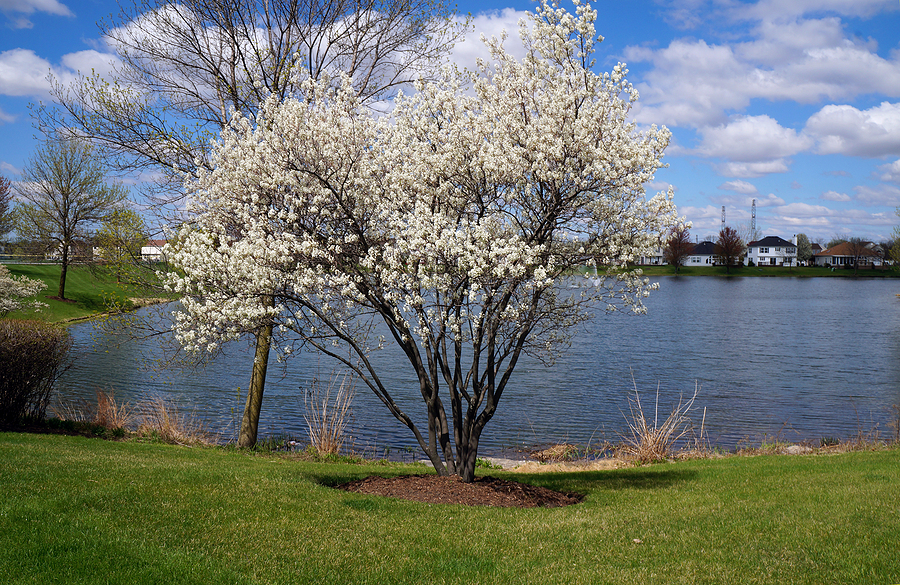
Selecting the right species greatly impacts the long-term health of your yard. Native trees naturally adapted to the Midwest require less maintenance and suffer from fewer disease issues. Eastern Redbuds, Flowering Dogwoods, and Serviceberries are excellent native choices. They offer beautiful spring flowers and support the local ecosystem.
Non-native species can also look spectacular. Japanese Maples and ornamental Lilac trees provide unique foliage and vibrant colors. However, these exotic varieties often demand highly specific soil conditions and extra protection from harsh winter winds.
Considerations for Indiana’s Climate and Soil
Most of Indiana falls into USDA Hardiness Zones 5b and 6b. This means your plants must survive freezing winter temperatures and hot, humid summers. Always check the hardiness zone of a tree before bringing it home from the nursery.
Soil type presents another major hurdle. Much of Indiana features dense clay soil that holds water tightly. This poor drainage quickly leads to root rot in sensitive plants. You can improve drainage by mixing organic compost into your planting site or by planting your trees on a slight mound.
Essential Care Practices for Ornamental Trees
Proper care begins with a solid foundation of correct planting depth, consistent watering, and proactive pest monitoring.
Proper Planting Techniques
Planting a tree correctly gives it the best chance at a long, healthy life. Dig a hole twice as wide as the root ball, but keep the depth exactly the same. The root flare—the wide base where the trunk meets the roots—must remain visible above the soil line. Burying the root flare suffocates the tree and invites moisture-related tree diseases.
Watering and Fertilization Schedules
Young trees need consistent moisture to establish strong root systems. Water newly planted trees deeply once a week, providing about an inch of water. During prolonged dry spells in July and August, you may need to water twice a week.
Fertilization should occur in early spring before new growth begins. Apply a slow-release, granular fertilizer around the drip line of the branches. Avoid fertilizing late in the summer, as this encourages tender new growth that easily takes damage during early winter freezes.
Pest and Disease Management
Indiana trees face threats from various insects and fungal infections. Bagworms commonly attack evergreens, creating small, cone-like bags hanging from the branches. Aphids and scale insects can drain sap from the leaves of flowering trees.
Fungal issues like apple scab or needlecast thrive in our humid spring weather. Inspect your leaves regularly for strange spots, discoloration, or sticky residue. Catching these problems early allows you to treat them effectively with horticultural oils or insecticidal soaps before serious damage occurs.
Pruning and Trimming for Optimal Health and Aesthetics
You should prune your ornamental trees during late winter or early spring while the tree is completely dormant.
When and How to Prune
Dormant tree pruning prevents excessive sap loss and drastically reduces the risk of spreading infectious diseases. Without leaves blocking your view, you can easily see the overall structure of the branches. Remove dead, diseased, or broken branches first. Next, look for branches that cross and rub against each other, as this friction creates open wounds in the bark.
Tools and Techniques
Using the right tools ensures clean cuts that heal quickly. Keep your bypass pruners and loppers sharp and sterilized. Clean your blades with rubbing alcohol between cuts if you suspect you are removing diseased wood. Always cut just outside the branch collar—the swollen area where the branch meets the trunk. Leaving a stub invites pests and rot.
Protecting Your Ornamental Trees Through Indiana Seasons
Guarding your trees against extreme temperature shifts involves strategic mulching in the summer and physical barriers in the winter.
Winter Protection Strategies
Young trees possess thin bark that easily cracks under the extreme temperature fluctuations of an Indiana winter. This condition, known as sunscald, damages the tissue underneath. Protect vulnerable trunks by wrapping them with commercial tree wrap in late autumn. Remove the wrap in early spring. For delicate evergreens facing harsh north winds, consider setting up a burlap screen to block the freezing gusts.
Summer Care Tips
Summer care heavily relies on proper mulching. Apply a two-to-three-inch layer of organic mulch around the base of the tree. Mulch retains soil moisture, suppresses weeds, and keeps the root zone cool during blistering August heat. Always keep the mulch pulled back a few inches from the actual trunk to prevent rot.
Common Challenges and Solutions for Indiana Ornamental Trees
Poor soil drainage and invasive pests represent the biggest hurdles for Indiana gardeners trying to grow healthy ornamentals. If you notice leaves turning yellow and dropping prematurely, your tree might be sitting in waterlogged soil. Address this by adjusting your watering schedule and aerating the soil around the drip line.
For severe pest outbreaks, such as the destructive Emerald Ash Borer or heavy scale infestations, contact a certified arborist to discuss professional treatment options.
Frequently Asked Questions
Homeowners often have similar concerns regarding tree placement, pruning limits, and disease prevention.
Can I plant a Japanese Maple in Indiana?
Yes. You can successfully grow Japanese Maples in Indiana. However, you must plant them in a location protected from harsh winter winds and intense, direct afternoon sun.
How much of a tree can I safely prune at once?
A general rule of thumb is to never remove more than 25% of a tree’s living canopy in a single year. Pruning too much at once stresses the plant and triggers rapid, weak branch growth.
When is the best time to plant a new tree?
Early fall is the ideal time to plant trees in the Midwest. The cooler air temperatures reduce stress on the foliage, while the warm soil encourages rapid root growth before winter arrives.
Nurturing Your Garden’s Crown Jewels
Caring for the trees in your yard requires patience, observation, and a willingness to learn. By selecting appropriate species, watering correctly, and pruning safely, you help these beautiful plants reach their full potential. A well-maintained tree will reward your efforts with decades of gorgeous spring blossoms, lush summer shade, and brilliant autumn colors.
If you need help managing the canopy in your yard, contact us for professional tree maintenance in Indianapolis. Our experienced team offers comprehensive services, including expert trimming, safe pruning, tree removal, and complete stump removal. Reach out today to schedule a consultation and give your landscape the professional care it deserves.
Related Post: How to Choose the Best Drought Tolerant Trees for Indiana Gardens